
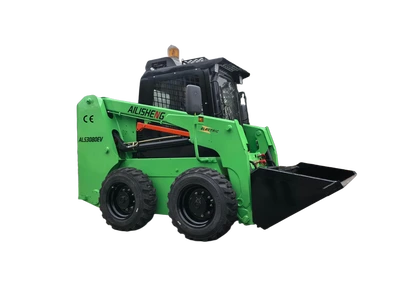
Proper maintenance is essential for keeping construction equipment reliable, safe, and productive. Electric machinery offers several advantages, including quieter operation and fewer conventional engine-related servicing requirements. However, it still needs regular inspections and preventive care to maintain performance, reduce downtime, and extend its useful service life.
An Electric Skid Steer Loader relies on a battery system, electric motors, hydraulic components, and mechanical parts to perform demanding material-handling tasks. Each system requires attention to ensure dependable operation in construction, agriculture, landscaping, and industrial environments. Following a structured maintenance routine helps operators identify potential problems early and avoid unnecessary repair expenses.
Why Electric Skid Steer Loader Maintenance Matters
Although electric skid steer loaders do not require conventional diesel engine oil changes or fuel-filter replacements, they still contain components that experience wear during operation. Tires, tracks, hydraulic hoses, lifting mechanisms, electrical connections, and attachments all need periodic inspection.
Neglecting maintenance can reduce operating efficiency, compromise safety, and lead to unexpected equipment downtime. A preventive maintenance program helps businesses protect their investment while ensuring the machine remains suitable for its intended workload.
1. Inspect the Battery System Regularly
The battery is one of the most important components of an electric skid steer loader. Its condition affects operating time, charging performance, and overall equipment availability.
Operators should check battery indicators, warning messages, charging connections, and any accessible components according to the manufacturer’s instructions. Visible damage, unusual heating, swelling, or repeated charging faults should be reported to qualified service personnel.
Battery maintenance practices vary according to battery chemistry and design. Always follow the manufacturer’s recommendations for inspection, storage, charging, and servicing.
Follow Correct Charging Procedures
Using compatible charging equipment helps protect the battery and maintain reliable performance. Avoid unauthorized chargers, damaged cables, and electrical connections that do not meet the machine’s requirements.
Charge the machine in an appropriate location and follow the specified temperature and ventilation requirements. Do not continue charging if the equipment displays a fault that requires professional inspection.
Monitor Battery Performance
Keep track of charging times and operating hours between charges. A noticeable decline in runtime may indicate normal battery aging, changing workloads, or a developing technical issue.
Comparing performance under similar working conditions can help operators identify unusual changes. Persistent problems should be assessed by an authorized technician rather than addressed through unapproved battery repairs.
2. Keep the Electrical System Clean and Secure
Electric skid steer loaders depend on electrical components to control propulsion, power delivery, and other operating functions. Damaged cables, loose connections, moisture intrusion, and contamination can interfere with performance.
During routine inspections, look for visible cable damage, loose external connections, damaged protective covers, or warning indicators. Any inspection involving high-voltage components should be performed only by personnel with the required training and authorization.
Avoid directing high-pressure water or cleaning chemicals at electrical connectors and sensitive electronic components unless the manufacturer specifically permits the method. Proper cleaning practices help reduce the risk of electrical faults and unnecessary repairs.
3. Check Hydraulic Components and Fluid Levels
Many electric skid steer loaders use hydraulic systems to operate lifting arms and compatible attachments. Even though the machine uses electric power, its hydraulic components still require regular attention.
Inspect accessible hydraulic hoses, fittings, cylinders, and connections for leaks, abrasion, cracks, or other signs of damage. Check hydraulic fluid levels according to the maintenance schedule and use only the specified fluid.
Hydraulic leaks should be investigated promptly because they can reduce performance and create slipping hazards. Depressurize the system as instructed before servicing, and never use your hands to search for pressurized fluid leaks.
4. Inspect Tires or Tracks
Tires and tracks influence traction, stability, maneuverability, and operator safety. Their condition can also affect energy consumption, especially when the machine operates on rough or uneven surfaces.
For wheeled models, check tire pressure, tread wear, cuts, and visible damage. For tracked models, inspect track tension, wear, alignment, and the condition of related components according to the manufacturer’s instructions.
Remove accumulated mud, stones, and other debris where appropriate. Damaged tires or tracks should be repaired or replaced before they compromise safe operation.
5. Maintain the Lifting Arms and Attachment Connections
The lifting arms and attachment system experience substantial forces during material handling. Worn pins, damaged locking mechanisms, loose fasteners, or unusual movement can affect the machine’s reliability and safety.
Inspect the attachment mounting points, locking devices, lifting arms, and accessible joints before operation. Confirm that the attachment is compatible with the machine and securely installed.
Lubricate designated pivot points and joints at the intervals specified in the maintenance manual. If the lifting mechanism develops unusual noise, excessive movement, or inconsistent operation, arrange a professional inspection.
6. Clean the Machine After Use
Dust, mud, plant matter, and construction debris can accumulate around moving parts and cooling areas. Excessive buildup may contribute to overheating, restricted airflow, premature wear, or reduced visibility.
Clean the machine regularly using approved methods. Pay attention to accessible cooling passages, operator controls, steps, attachment mounting areas, and other locations where debris can interfere with normal operation.
Before cleaning, shut down and secure the machine according to the manufacturer’s procedure. Protect electrical components and avoid exposing sensitive systems to excessive water or unsuitable cleaning products.
7. Monitor Cooling Systems and Operating Temperatures
Electric motors, batteries, power electronics, and hydraulic systems can generate heat during operation. Many machines use dedicated cooling arrangements to keep these components within their permitted temperature ranges.
Check accessible cooling passages, fans, filters, and radiators or heat exchangers where fitted. Remove obstructions according to the recommended maintenance procedure and pay attention to temperature warnings.
Repeated overheating should not be ignored. Stop operating the machine when required by its safety instructions and have the underlying cause investigated before returning it to service.
8. Check Brakes, Controls, and Safety Features
Reliable brakes and responsive controls are essential for safe equipment operation. Daily inspections should include the parking brake, steering or drive controls, warning devices, lights where fitted, and other safety features identified in the operator’s manual.
Confirm that the operator restraint system, interlocks, and emergency functions operate as intended. Never bypass a safety device to continue working.
If a control responds unpredictably or a safety feature fails, remove the machine from service until the issue has been assessed and corrected by qualified personnel.
9. Maintain Attachments According to Their Requirements
Skid steer loaders often perform different tasks by using interchangeable attachments. Each attachment has its own maintenance needs and can affect the machine’s energy consumption and operating performance.
Buckets should be checked for cracks, worn cutting edges, and structural damage. Forks require inspection for bending, wear, and other defects, while powered attachments may need additional checks of hydraulic connections and moving components.
Clean and store attachments properly after use. Following the attachment manufacturer’s maintenance schedule helps preserve compatibility, reduce wear, and support safe operation.
10. Follow a Preventive Maintenance Schedule
A structured maintenance schedule helps operators complete essential checks consistently instead of waiting for problems to appear. The exact intervals should always follow the machine’s operating manual, service requirements, and working conditions.
| Maintenance Frequency | Recommended Checks |
|---|---|
| Before each shift | Inspect tires or tracks, attachments, visible hoses, warning indicators, and safety systems |
| After operation | Remove debris, inspect for leaks or damage, and report unusual sounds or performance changes |
| At scheduled intervals | Check hydraulic fluid, lubricate specified points, and inspect mechanical connections |
| According to manufacturer guidance | Assess battery condition, electrical systems, cooling components, and software or control-system updates where applicable |
| During professional servicing | Perform detailed diagnostics, evaluate component wear, and complete required repairs |
Machines used in dusty, wet, or demanding environments may require more frequent inspections. Keep accurate maintenance records, including operating hours, reported faults, repairs, and component replacements.
Common Electric Skid Steer Loader Maintenance Mistakes to Avoid
Even with a maintenance schedule, some practices can shorten component life or create unnecessary risks. Avoid these common mistakes:
- Ignoring battery warnings or unusual charging behavior.
- Using incompatible chargers, fluids, or replacement components.
- Delaying repairs after identifying leaks, damaged cables, or worn tires.
- Cleaning electrical components with excessive water or unsuitable chemicals.
- Skipping inspections of attachment locking mechanisms and safety devices.
- Attempting high-voltage or complex hydraulic repairs without proper training.
- Continuing to operate the machine when a critical warning or safety fault appears.
Consistent inspections and prompt repairs are generally more effective than waiting for a component to fail completely.
How Proper Maintenance Reduces Operating Costs
Preventive maintenance helps identify wear and developing faults before they lead to more extensive damage. Keeping tires, hydraulic systems, cooling components, and attachments in suitable condition also supports efficient machine operation.
Electric models can reduce certain servicing expenses because they do not have conventional diesel engine systems. Nevertheless, battery condition, electrical components, hydraulic maintenance, and eventual component replacement remain important cost considerations.
Businesses should evaluate maintenance expenses alongside energy consumption, operating hours, service availability, and expected equipment lifespan. Accurate records make it easier to identify recurring problems and plan maintenance budgets.
When Should You Contact a Professional Technician?
Routine inspections can be performed by trained operators when permitted by the manufacturer’s instructions. More complex issues require qualified technical support.
Seek professional assistance when the machine experiences persistent battery faults, electrical warnings, repeated overheating, hydraulic performance problems, abnormal lifting behavior, or failures involving brakes and safety systems.
High-voltage battery repairs and specialized electrical diagnostics should be handled only by appropriately trained personnel. Timely professional servicing helps protect both the operator and the equipment.
Conclusion
Maintaining an electric skid steer loader requires attention to its battery, electrical system, hydraulics, tires or tracks, lifting mechanism, cooling arrangements, and safety features. Although electric machines eliminate several conventional diesel engine maintenance tasks, they still need regular inspections and preventive servicing to remain dependable.
By following the manufacturer’s maintenance schedule, using compatible components, training operators, and addressing faults promptly, businesses can reduce avoidable downtime and support long-term equipment performance. A consistent maintenance routine is an important part of maximizing productivity and protecting the value of electric construction equipment.