
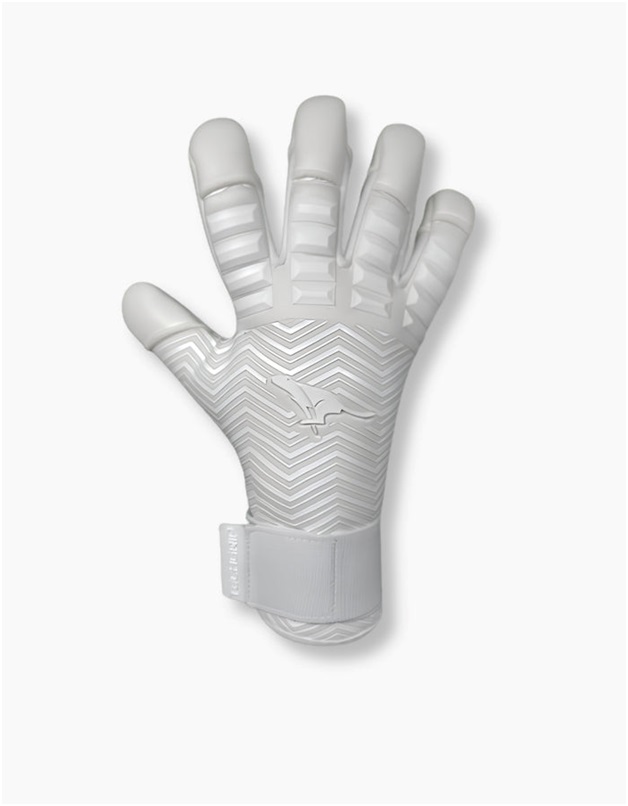
Hand protection is an important part of many workplace safety routines. Workers who handle sharp edges, tools, sheet materials, glass, metal parts, or other potentially hazardous objects need gloves that provide suitable protection without making everyday tasks difficult.
The right glove should offer a balance between protection, comfort, flexibility, and grip. Different work environments also require different levels of protection, so understanding glove construction and application can help businesses make more informed choices.
Why Cut Protection Matters
Hands are exposed to many risks during manual work. A sharp edge or unexpected movement can cause an injury in just a moment. Wearing suitable protective gloves can reduce exposure to these hazards and provide an additional layer of protection during routine tasks.
However, protection should not come at the expense of usability. Gloves that are uncomfortable or restrict natural hand movement may discourage workers from wearing them correctly.
This is why choosing gloves according to the actual working environment is so important.
Understanding Negative Cut Gloves
Negative cut gloves are designed for applications where workers need protection while handling materials that may present cutting hazards. Their construction can provide a close fit, allowing the wearer to maintain a better sense of touch and control during detailed work.
A close fitting glove can be useful when workers need to handle components carefully or perform tasks that require precision. The suitability of any glove still depends on the type of hazard, the work being performed, and the protection level required.
Businesses should consider these factors before selecting a glove for regular workplace use.
Balancing Protection and Dexterity
Protective gloves should allow workers to perform their tasks naturally. When a glove offers suitable flexibility and finger movement, it can make handling tools and materials more comfortable.
Dexterity is particularly important in jobs that involve small components, assembly work, equipment handling, or repetitive manual tasks. Workers need to maintain control while also keeping their hands protected.
The best choice is therefore not simply the glove with the highest level of protection. It should be the glove that provides appropriate protection for the specific task while remaining practical for everyday use.
Where Vortex Cut Gloves Can Be Useful
Vortex cut gloves can be considered for work environments where protection against sharp materials is an important requirement. Their suitability should be assessed based on the type of work, material being handled, and expected level of exposure.
Workers may have different needs depending on whether they are involved in manufacturing, construction, maintenance, fabrication, warehouse activities, or other manual operations.
Understanding the workplace hazard before choosing protective equipment can help ensure that workers receive gloves that match their actual requirements.
The Importance of a Good Grip
Grip is another important factor when choosing protective gloves. Workers handling tools, machinery components, or materials need enough control to complete their tasks safely and efficiently.
A suitable grip can also reduce the need to apply excessive force when holding an object. This may make repetitive work more comfortable and help workers maintain better control throughout their shift.
Glove selection should therefore consider both protection and handling performance rather than focusing on only one feature.
Comfort Encourages Consistent Use
Even highly protective gloves may not be useful if workers find them uncomfortable to wear. Fit, flexibility, breathability, and overall feel can influence whether employees use gloves consistently.
A comfortable glove can make it easier for workers to keep their hands protected throughout their working day. Employers should also ensure that workers understand how to wear, maintain, and replace protective gloves correctly.
Regular checks are useful because gloves can lose their effectiveness when they become worn, damaged, or unsuitable for the task.
Selecting Gloves for Different Applications
Every workplace has its own combination of hazards. A glove that works well for one task may not be suitable for another. Businesses should consider the materials being handled, the sharpness of edges, the amount of manual handling involved, and the level of dexterity required.
It is also important to consider the working environment and how long gloves will normally be worn. These details can help narrow down the available choices.
For applications involving sharp materials, negative cut gloves may be worth considering when a close fitting design and suitable hand protection are needed.
Making a Practical Choice
Protective equipment should support workers rather than interfere with their daily responsibilities. Taking time to understand the requirements of each task can make glove selection more effective.
For workplaces where cutting hazards are present, vortex cut gloves may offer an option to consider as part of a broader hand protection strategy. The final selection should always be based on the actual risks and the manufacturer’s stated protection capabilities.
A thoughtful approach to glove selection can help businesses create safer working conditions while giving employees the comfort and control they need to carry out their work with confidence.