

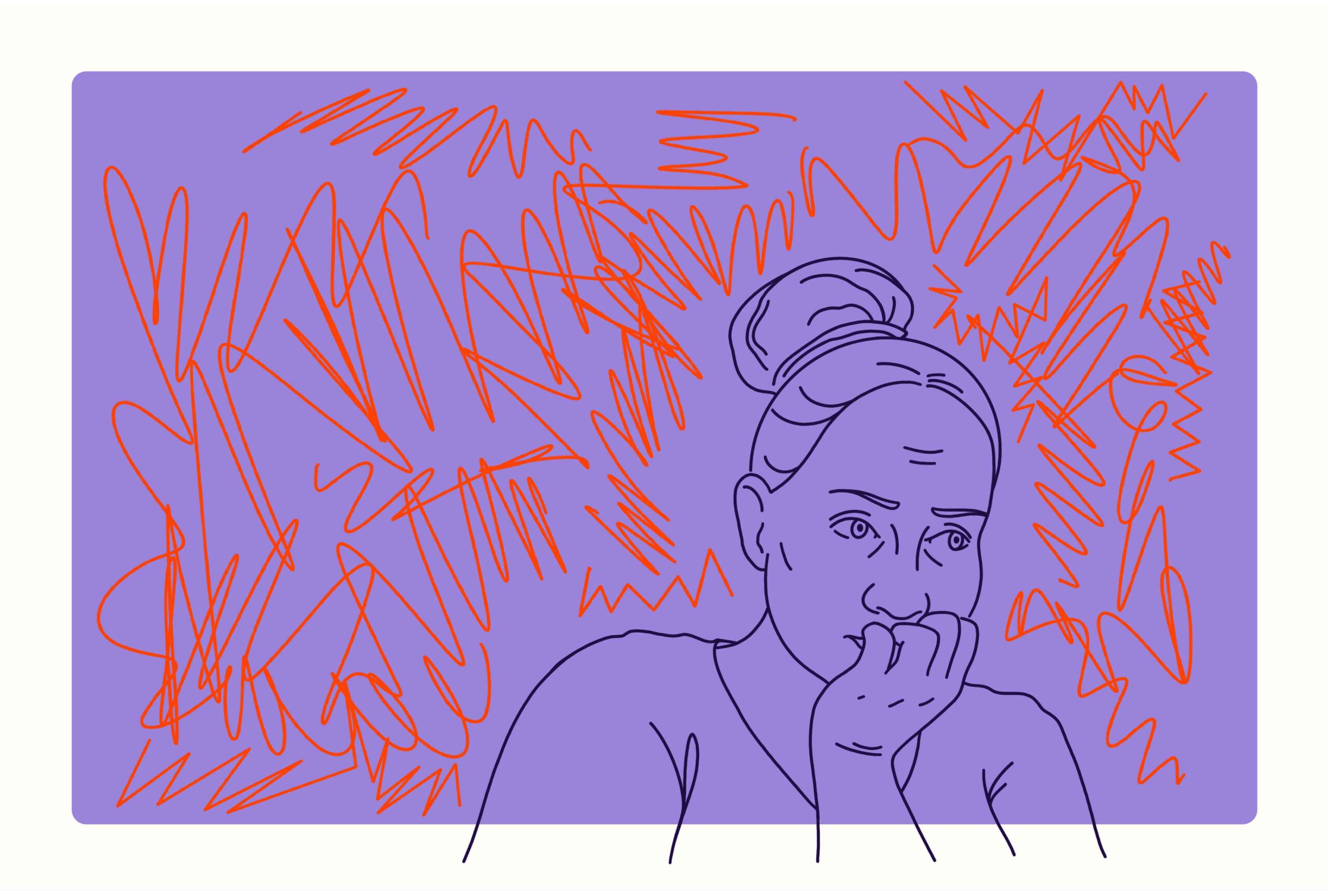
Anxiety is a mental health condition marked by persistent worry, restlessness, and physical tension that can interfere with daily functioning. Effective management involves recognizing symptoms early, understanding underlying causes, and applying structured therapeutic techniques that help regulate emotions, improve thought patterns, and restore balance in everyday life.
Anxiety therapy is a structured, evidence-based process that helps individuals identify triggers, challenge negative thinking, and develop healthier coping strategies with the guidance of a qualified professional. Anxiety therapy offers a supportive environment where individuals can openly explore their thoughts and emotions, reduce stress levels, and build long-term resilience for better mental and emotional well-being.
Understanding Anxiety and Its Impact
Anxiety is a natural response to perceived threats or stress. In moderate amounts, it can enhance alertness and performance. However, when anxiety becomes chronic or overwhelming, it can negatively affect mental clarity, emotional stability, and physical health.
In today’s fast-paced environment, individuals are exposed to multiple stressors such as work pressure, financial responsibilities, and social expectations. These factors can contribute to heightened anxiety levels if not managed properly. Understanding anxiety as a manageable condition rather than a permanent limitation is essential for recovery.
Common Causes Behind Anxiety
Anxiety rarely stems from a single cause. It often results from a combination of biological, psychological, and environmental factors. Some of the most common contributors include:
- Long-term exposure to stress
- Traumatic or distressing life experiences
- Genetic predisposition or family history
- Imbalanced lifestyle habits such as poor sleep or irregular routines
- Overthinking and negative thought patterns
- Excessive use of digital media or constant information overload
Identifying these root causes helps in developing targeted and effective treatment strategies.
Recognizing Symptoms of Anxiety
Anxiety manifests differently from person to person, but it generally includes a combination of emotional, physical, and behavioral symptoms.
Emotional Symptoms
Individuals may experience excessive worry, fear, irritability, or a constant sense of unease without a clear reason.
Physical Symptoms
Common physical signs include increased heart rate, sweating, muscle tension, headaches, dizziness, and fatigue.
Behavioral Symptoms
Avoidance of certain situations, difficulty concentrating, restlessness, and changes in sleep patterns are often observed.
Recognizing these symptoms early can help individuals take proactive steps toward seeking support.
Why Professional Help Is Important
While self-care techniques can provide temporary relief, persistent anxiety often requires professional intervention for long-term improvement. Therapy provides structured guidance and personalized strategies that address both the symptoms and underlying causes of anxiety.
A trained therapist helps individuals gain insight into their thought patterns, emotional responses, and behavioral habits. This guidance makes it easier to develop healthier coping mechanisms and improve overall mental resilience.
Effective Anxiety Therapy Approaches
Several evidence-based therapeutic methods are used to treat anxiety effectively.
Cognitive Behavioral Therapy (CBT)
CBT focuses on identifying and changing negative thought patterns that contribute to anxiety. It helps individuals replace irrational thoughts with more balanced and realistic perspectives.
Exposure Therapy
Exposure therapy involves gradually facing anxiety-inducing situations in a controlled and safe manner. Over time, this reduces fear and builds confidence in handling triggers.
Mindfulness-Based Therapy
This approach encourages individuals to stay present and observe their thoughts without judgment. It helps reduce overthinking and promotes emotional calmness.
Talk Therapy
Talk therapy provides a supportive environment where individuals can express their concerns openly while gaining insights into their emotional challenges.
Each approach can be tailored to suit individual needs, making therapy highly adaptable and effective.
Benefits of Anxiety Therapy
Engaging in therapy offers several long-term benefits beyond immediate symptom relief.
Improved Emotional Control
Individuals learn how to regulate their emotions more effectively, reducing the intensity of anxiety episodes.
Enhanced Self-Awareness
Therapy helps individuals understand their triggers, habits, and thought patterns, leading to better decision-making.
Better Stress Management
Practical coping techniques enable individuals to handle stressful situations with greater confidence and clarity.
Improved Relationships
Reduced anxiety often leads to better communication, understanding, and connection with others.
Increased Productivity
With improved focus and reduced mental distractions, individuals can perform better in personal and professional tasks.
When to Consider Anxiety Therapy
It is important to seek professional help when anxiety begins to interfere with daily life. Some warning signs include:
- Persistent and uncontrollable worry
- Difficulty completing routine tasks
- Avoidance of social or professional situations
- Frequent panic attacks or intense fear
- Sleep disturbances or chronic fatigue
- Feeling overwhelmed without clear reasons
Addressing these symptoms early can prevent them from worsening over time.
Lifestyle Adjustments to Support Recovery
In addition to therapy, certain lifestyle changes can significantly improve anxiety management.
Regular Physical Activity
Exercise helps release endorphins, which naturally improve mood and reduce stress.
Healthy Diet
A balanced diet supports brain function and stabilizes energy levels throughout the day.
Consistent Sleep Schedule
Adequate sleep is essential for emotional regulation and cognitive performance.
Mindfulness and Relaxation
Practices such as meditation, breathing exercises, and journaling help calm the mind and reduce overthinking.
Structured Daily Routine
Maintaining a routine reduces uncertainty and creates a sense of control, which can lower anxiety levels.
Choosing the Right Therapist
Selecting the right therapist plays a vital role in the success of anxiety treatment. Important factors to consider include:
- Professional qualifications and experience
- Therapeutic approach and specialization
- Communication style and comfort level
- Availability and session flexibility
- Reputation and client feedback
A strong therapeutic relationship builds trust and enhances the effectiveness of the sessions.
Breaking the Stigma Around Mental Health
Despite increased awareness, many individuals still hesitate to seek help due to stigma or misconceptions. Anxiety is not a weakness—it is a condition that requires understanding and care.
Seeking therapy is a sign of strength and self-awareness. It reflects a commitment to improving one’s quality of life and maintaining emotional well-being.
Long-Term Strategies for Maintaining Mental Health
Managing anxiety is an ongoing process that requires consistency and dedication. Long-term strategies include:
- Practicing relaxation techniques regularly
- Maintaining a balanced work-life routine
- Limiting exposure to unnecessary stressors
- Building a supportive social network
- Continuing therapy when needed for ongoing guidance
These habits help maintain progress and prevent recurrence of symptoms.
Final Thoughts
Anxiety is a common but manageable condition when approached with the right strategies and professional support. Understanding its causes, recognizing its symptoms, and adopting structured therapeutic methods can significantly improve mental clarity and emotional stability.
Anxiety therapy provides individuals with the tools and guidance needed to overcome challenges, build resilience, and regain control over their lives. With consistent effort and the right support system, it is possible to achieve lasting mental well-being and lead a more balanced and fulfilling life.
FAQs
What is anxiety therapy and how does it work?
Anxiety therapy is a structured treatment that helps individuals identify triggers, manage symptoms, and develop healthier thought patterns through guided sessions with a trained professional.
How long does it take for anxiety therapy to show results?
The timeframe varies depending on the individual, but many people begin to notice improvements within a few weeks of consistent therapy sessions and practice of learned techniques.
Can anxiety therapy be combined with other treatments?
Yes, anxiety therapy can be combined with lifestyle changes, mindfulness practices, and in some cases medication prescribed by a healthcare professional for more effective results.