
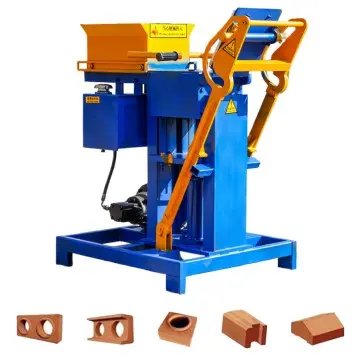
Concrete blocks are an essential product for many building-material suppliers, contractors, and construction companies. Their manufacture involves combining cement with aggregates and water, then forming the mixture into units that can be handled, cured, and used in building work. A well-organized production process helps manufacturers manage material consumption, maintain product dimensions, and meet customer orders.
A Cement Block Making Machine is equipment used to shape cement-based mixtures into blocks through a mold and compaction process. Depending on its design, the machine may use vibration, hydraulic pressure, mechanical movement, or a combination of these methods. Selecting the right configuration requires understanding the intended products, production volume, and conditions at the manufacturing site.
Understanding the Production Process
Block manufacturing begins with preparing the raw materials. Cement and aggregates are measured according to a suitable mix design, while water is added in a controlled quantity. The materials are mixed until they are distributed consistently and reach a condition appropriate for the selected forming method.
The mixture is then transferred to the machine’s mold. Mechanical action and, where applicable, vibration compact the material into the required shape. Once formed, the block is released and moved carefully to a curing area.
The precise process varies by machine and block type. Manufacturers should follow the equipment supplier’s instructions and use a mix design appropriate for the required product performance.
1. Important Machine Components
A typical block-making setup may include several key elements:
- Frame and supporting structure: Holds the main assemblies in position during operation.
- Mold system: Determines the block’s dimensions and shape.
- Compaction mechanism: Applies the force or movement needed to form the mixture.
- Vibration system: Where fitted, helps the material settle within the mold.
- Control arrangement: Allows the operator to manage machine movements and production cycles.
- Material-feeding equipment: Transfers the prepared mixture into the mold.
The exact components depend on the machine’s design and automation level. Buyers should request a technical description rather than assuming all machines include the same features.
2. Choosing the Right Production Capacity
Capacity should be based on expected customer demand, not simply the highest output figure in a brochure. Actual production depends on block size, mold configuration, cycle time, operator experience, material availability, and working hours.
The rest of the factory also affects output. A machine may be capable of forming blocks rapidly, but insufficient mixing capacity or limited curing space can restrict daily production.
Ask suppliers for estimates based on the exact block dimensions you plan to manufacture. Include realistic allowances for cleaning, mold changes, maintenance, and interruptions when preparing a production schedule.
3. Product Range and Mold Compatibility
Many manufacturers want to supply more than one type of block. Depending on the machine, compatible molds may allow production of solid blocks, hollow blocks, and other concrete products.
Mold compatibility should be confirmed before purchasing. Ask about available sizes, replacement costs, installation procedures, and the time needed to change configurations.
A broader product range can create sales opportunities, but it also adds operational complexity. Start with products supported by identifiable demand and expand when customer requirements justify the additional investment.
4. Improving Material and Labor Efficiency
A properly selected machine can help organize the forming stage and reduce some repetitive manual tasks. Standardized operating procedures also make it easier to train workers and monitor production.
Material efficiency requires attention to the entire process. Accurate batching, suitable aggregate grading, controlled water content, and consistent mixing help reduce defects. Poor material preparation can lead to weak or misshapen blocks even when the machine itself is functioning correctly.
Factories should monitor the number of saleable blocks produced from each batch. This helps identify excessive waste and provides a more meaningful measure of production efficiency.
5. Maintenance and Operating Requirements
Regular maintenance helps preserve machine performance and reduce avoidable interruptions. Operators should inspect the mold, frame, fasteners, moving components, electrical connections, and hydraulic parts where applicable.
Concrete residue should be removed according to the manufacturer’s cleaning instructions. Worn mold surfaces and damaged components should be addressed before they affect product quality.
Before ordering, check the availability of spare parts, service support, technical documentation, and operator training. These factors can be as important as the machine’s initial price.
6. Quality Control After Forming
Freshly produced blocks need careful handling and suitable curing. They should be protected from damaging movement and conditions that cause premature moisture loss. The appropriate curing method depends on the product and applicable technical requirements.
Manufacturers should inspect block dimensions, visible defects, and surface condition. Strength and other performance tests should be carried out where required by customer specifications or local standards.
Making an Informed Equipment Choice
A cement block-making machine should be selected as part of a complete manufacturing plan. Production capacity, mold options, raw-material supply, labor, curing facilities, maintenance, and customer demand all influence its suitability.
By comparing these factors and checking technical claims before purchase, manufacturers can choose equipment that supports a consistent workflow and a commercially realistic production operation.