
Bathroom design has changed considerably over the years. What was once considered a purely functional space has become an important part of modern architecture and interior design. Homeowners, hotel developers, commercial property owners, and architects now pay greater attention to bathroom comfort, appearance, hygiene, and efficient space utilization. These changing expectations have encouraged manufacturers to develop products that combine practical performance with contemporary design.
Specialized manufacturers contribute to this transformation by introducing innovative materials, modern fixtures, and flexible product designs. KingKonree is associated with the solid surface and bathroom products industry, supporting different interior requirements through its product offerings. Its role reflects the growing importance of material selection, manufacturing quality, and design flexibility in modern residential and commercial bathrooms.
Understanding the Evolution of Modern Bathroom Design
Traditional bathrooms generally focused on essential fixtures such as toilets, washbasins, bathtubs, and showers. Modern bathroom planning takes a broader approach by considering how these elements work together to create comfortable and visually coordinated environments.
Several factors have influenced this evolution:
- Increased demand for contemporary interior aesthetics.
- Greater awareness of hygiene and easy maintenance.
- Growing interest in durable and adaptable materials.
- More efficient use of limited bathroom space.
- Demand for customized products and coordinated fixtures.
- Greater attention to accessibility and user comfort.
These developments have created opportunities for manufacturers to introduce products that address both functional and decorative requirements.
How KingKonree Supports Modern Residential Bathrooms
Residential bathrooms vary considerably in size, layout, and design preferences. A compact apartment bathroom has different requirements from a spacious master bathroom in a luxury home.
Manufacturers support residential projects by offering bathroom products in different configurations, dimensions, and finishes.
Contemporary Washbasin Designs
Washbasins are among the most frequently used bathroom fixtures. Their design influences the appearance of the vanity area and the overall functionality of the room.
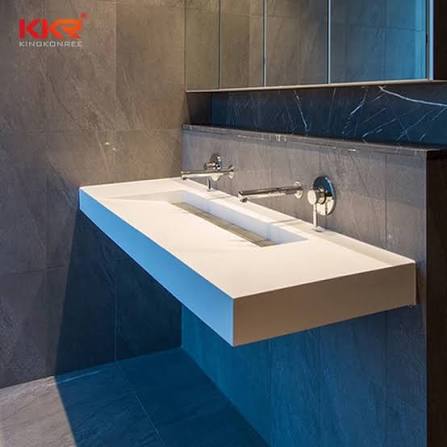
Modern options include countertop basins, integrated washbasins, wall-mounted models, and freestanding designs. Each configuration offers different advantages depending on available space and installation preferences.
Solid surface washbasins are particularly relevant to contemporary interiors because they can provide smooth finishes and coordinated designs. Their adaptable manufacturing characteristics also allow different shapes and configurations.
Modern Bathroom Vanities
Bathroom vanities combine washing facilities with storage and decorative features. Modern designs often emphasize clean lines, practical storage arrangements, and materials that complement other bathroom elements.
Solid surface countertops can be integrated with different basin styles to create a coordinated appearance. This approach is useful for homeowners who want a visually consistent vanity area.
Bathtubs for Comfort and Relaxation
Bathtubs remain an important feature in many residential bathrooms. Modern designs focus on comfortable proportions, attractive finishes, and efficient use of available space.
Freestanding bathtubs can create a distinctive focal point in larger bathrooms, while compact models are suitable for smaller layouts. Material selection is important because it affects appearance, maintenance, and everyday usability.
Modernizing Commercial Bathrooms Through Practical Design
Commercial bathrooms have different priorities from residential spaces. Hotels, offices, shopping centers, restaurants, and public facilities must accommodate multiple users while maintaining suitable hygiene and maintenance standards.
Manufacturers help commercial developers select products that match the expected level of use and the building’s interior design.
Hotel and Hospitality Bathrooms
Hotels often use bathroom design to create a comfortable and consistent guest experience. Washbasins, countertops, bathtubs, and other fixtures must complement the hotel’s overall interior concept.
Solid surface products can support coordinated installations through their range of available forms and finishes. Customized dimensions may also help designers accommodate specific room layouts.
Office and Corporate Facilities
Office bathrooms generally prioritize functionality, straightforward maintenance, and efficient space utilization.
Compact washbasins, practical countertops, and appropriately selected fixtures can help create professional environments. Neutral colors and simple product designs are commonly used to maintain a clean and organized appearance.
Shopping Centers and Public Buildings
Public bathrooms experience frequent use, making material durability and maintenance important considerations.
Products should be selected according to expected traffic, cleaning procedures, accessibility requirements, and relevant building regulations. Suitable surface materials can contribute to practical installations when their technical specifications match the intended environment.
The Importance of Solid Surface Materials in Modern Bathrooms
Material innovation is one of the major factors influencing contemporary bathroom development. Solid surface materials have become popular in selected applications because of their adaptability and distinctive appearance.
Seamless and Integrated Designs
Solid surface materials can be fabricated and joined using specialized techniques to create visually continuous installations.
This feature is useful for integrated washbasins and countertops, where reducing visible joints can create a cleaner appearance. Such designs are particularly compatible with minimalist bathroom interiors.
Non-Porous Surface Characteristics
Many solid surface formulations have non-porous characteristics that make them suitable for bathroom applications.
Their surfaces can be easier to clean because they do not have the same absorption characteristics as some porous materials. However, actual moisture, stain, and chemical resistance depend on the specific product formulation and manufacturer specifications.
Design and Customization Flexibility
Solid surface materials can accommodate different shapes, colors, and dimensions. This flexibility allows designers to develop bathroom installations that match specific architectural requirements.
For example, customized vanity tops, integrated basins, and curved features can help create distinctive bathroom environments.
Repair and Maintenance Options
Some solid surface products can be refinished to address minor scratches and surface imperfections. This characteristic may help maintain their appearance over time.
Appropriate cleaning methods and maintenance procedures should always follow the manufacturer’s recommendations.
How Manufacturing Quality Influences Bathroom Performance
Modern bathroom products must meet consistent quality expectations. Even attractive fixtures may create problems if their dimensions, material properties, or installation requirements are unsuitable.
Manufacturing quality influences product reliability, appearance, and long-term usability.
Important quality considerations include:
- Material selection: Choosing appropriate raw materials for the intended bathroom application.
- Production precision: Maintaining accurate dimensions and consistent product shapes.
- Surface finishing: Ensuring smooth and visually consistent finishes.
- Structural integrity: Checking that products meet relevant performance requirements.
- Final inspection: Identifying visible defects and manufacturing inconsistencies before delivery.
Quality control becomes particularly important in commercial developments, where multiple identical products may be installed throughout a building.
The Role of Product Customization in Bathroom Modernization
Customization has become increasingly important as architects and property owners seek interiors that reflect particular design concepts.
Standard bathroom fixtures may not always fit unusual layouts, specialized dimensions, or specific architectural requirements.
Manufacturers with flexible production capabilities can support different customization needs.
Customized Dimensions
Bathroom dimensions vary between properties. Customized countertops, washbasins, and other fixtures can help designers use available space more effectively.
This is particularly valuable in apartments, boutique hotels, and commercial buildings with specialized layouts.
Different Colors and Finishes
Colors and surface finishes influence the overall atmosphere of a bathroom. Neutral tones can create a calm appearance, while distinctive finishes can introduce visual interest.
A wider selection allows designers to coordinate bathroom fixtures with flooring, wall materials, cabinetry, and lighting.
Integrated Product Configurations
Integrated bathroom products can reduce visual interruptions between different components. For example, combining a washbasin and countertop into a coordinated installation can create a streamlined vanity area.
Such configurations can also support more organized interior planning.
Comparing Residential and Commercial Bathroom Requirements
Although both residential and commercial bathrooms benefit from modern products, their priorities are not identical.
| Consideration | Residential Bathrooms | Commercial Bathrooms |
|---|---|---|
| Main priority | Comfort and personal preferences | Functionality and user capacity |
| Design approach | Personalized interiors | Consistent and practical layouts |
| Material selection | Appearance and maintenance | Durability and maintenance demands |
| Product dimensions | Based on household space | Based on building requirements |
| Maintenance | Routine household cleaning | Regular professional maintenance |
| Customization | Individual design preferences | Project-wide specifications |
Understanding these differences helps architects and developers select appropriate products for each type of property.
Factors to Consider When Selecting Modern Bathroom Products
Choosing suitable bathroom fixtures requires evaluating more than their appearance. Buyers should consider product specifications, installation requirements, and long-term maintenance.
The following factors can help guide the decision-making process:
- Available space: Measure the bathroom and determine appropriate product dimensions.
- Material properties: Review durability, moisture resistance, surface characteristics, and repair options.
- Design compatibility: Select products that complement the overall interior style.
- Installation requirements: Check plumbing connections, mounting methods, and structural support.
- Maintenance needs: Understand recommended cleaning products and routine care procedures.
- Manufacturer reliability: Evaluate production capabilities, quality management, technical documentation, and warranty terms.
- Project budget: Compare initial costs with expected maintenance and replacement requirements.
For commercial projects, it is also important to consider accessibility standards, expected usage levels, and applicable construction regulations.
Future Developments in Residential and Commercial Bathrooms
Bathroom modernization will continue as technology, consumer preferences, and architectural practices evolve.
Several developments are expected to influence future bathroom projects.
Smart Bathroom Technology
Smart mirrors, touchless faucets, automatic lighting, and intelligent shower systems are becoming more common in contemporary buildings.
These features can improve convenience, support water management, and create more interactive bathroom environments.
Sustainable Material Choices
Environmental considerations are encouraging manufacturers and developers to examine material sourcing, production efficiency, and product lifespan.
Future development may focus on reducing manufacturing waste, improving energy efficiency, and selecting materials with more responsible environmental profiles.
Greater Emphasis on Accessibility
Accessible bathroom design is becoming an important consideration in both residential and commercial construction.
Features such as appropriate clearances, accessible washbasins, supportive fixtures, and user-friendly layouts help accommodate people with different mobility requirements.
Personalized Interior Solutions
Customization will continue to influence bathroom product development. Homeowners and commercial developers increasingly seek distinctive combinations of colors, shapes, dimensions, and finishes.
Flexible manufacturing methods can help address these requirements while maintaining consistent production standards.
Conclusion
The modernization of residential and commercial bathrooms depends on the combination of innovative materials, functional fixtures, quality manufacturing, and thoughtful interior planning. From contemporary washbasins and integrated countertops to customized vanities and commercial bathroom installations, manufacturers contribute significantly to how modern spaces are designed and used.
KingKonree represents the role of specialized manufacturers in this evolving market through its focus on solid surface materials and bathroom products. As expectations for comfort, durability, customization, and maintenance continue to develop, manufacturers will remain important partners in creating practical and visually appealing bathroom environments.
Ultimately, successful bathroom modernization requires selecting products that balance design preferences with the technical and functional demands of their intended applications.