
Water transportation and flow regulation are essential parts of hydropower generation and modern water management infrastructure. These systems require reliable structures and equipment to move large volumes of water safely from reservoirs, rivers, or storage facilities to their intended destinations. One important component in many such installations is the penstock, which serves as a dedicated conduit for transporting water under pressure.
A Penstock is a pipe or enclosed passage used to convey water from an intake or reservoir toward a turbine, treatment facility, or other water management structure. In hydropower plants, it directs water toward turbines, where the energy of moving water is converted into mechanical and electrical energy. Its design, dimensions, material strength, and flow control arrangements all influence system efficiency, operational safety, and long-term reliability.
<LearningViz type_id=”HYDROELECTRIC_DAM”/>
1. What Is a Penstock?
A penstock is an engineered water conveyance structure designed to transport water under pressure. It is commonly used in hydropower facilities, irrigation projects, and other large-scale water management systems.
Unlike open channels, penstocks generally operate as enclosed conduits. This allows water to move through a controlled pathway while maintaining the pressure conditions required by the system.
In hydropower applications, a penstock typically connects an intake structure to a turbine. Water travels through the conduit and reaches the turbine with sufficient pressure and flow to drive its rotating components.
Penstocks can vary considerably in diameter, length, material, and structural arrangement depending on the project’s water requirements and site conditions.
2. How Penstocks Control Water Flow
Penstocks primarily control and direct water movement by providing a defined pathway between the water source and the destination. Their dimensions and hydraulic characteristics influence how much water can pass through the system and how efficiently it is delivered.
In a hydropower installation, water enters through an intake and travels along the penstock toward the turbine. The available pressure and flow are influenced by factors such as elevation difference, water level, conduit diameter, length, and friction losses.
Flow regulation is generally managed through associated equipment, including intake gates, valves, and turbine control mechanisms. These components determine how much water enters or passes through the system.
A typical operating sequence includes:
- Water enters the intake from a reservoir or upstream source.
- The penstock carries water through an enclosed conduit.
- Flow control equipment regulates the amount of water supplied.
- Water reaches the turbine or designated outlet.
- Downstream structures return or distribute the water as required.
This coordinated arrangement helps maintain controlled water delivery under different operating conditions.
3. The Role of Penstocks in Hydropower Generation
Penstocks are essential components of many hydropower plants because they transport water from an elevated source toward turbines. The difference in elevation between the water source and turbine creates hydraulic head, which contributes to the energy available for electricity generation.
As water moves through the penstock, it carries hydraulic energy toward the turbine. The turbine converts part of this energy into mechanical rotation, which drives a generator to produce electricity.
Penstock performance can directly influence hydropower efficiency. Excessive friction losses, unsuitable dimensions, leakage, or poor flow management can reduce the amount of energy available at the turbine.
For this reason, engineers carefully evaluate hydraulic conditions, structural strength, and operating requirements during the design process.
4. Common Types of Penstocks
Different penstock configurations are used depending on project size, terrain, operating pressure, and installation requirements.
Steel Penstocks
Steel penstocks are widely used in large hydropower projects because they can provide high mechanical strength and withstand substantial internal pressure when properly designed.
They may be installed above ground, supported by structural arrangements, or placed underground depending on site conditions.
Concrete Penstocks
Concrete conduits are used in certain water management and hydropower projects. Reinforced concrete can provide structural durability and may be suitable for large water conveyance systems.
The design must account for internal pressure, ground conditions, reinforcement, and potential cracking.
Fiberglass-Reinforced Plastic Penstocks
Fiberglass-reinforced plastic (FRP) pipes offer corrosion resistance and relatively low weight. They may be suitable for selected applications where pressure, diameter, temperature, and installation requirements fall within the product’s design limits.
Underground Penstocks
Underground penstocks are installed within tunnels or excavated passages. They can be useful in mountainous terrain and projects where surface installation is impractical.
Their design requires careful consideration of surrounding geology, rock support, pressure conditions, and construction methods.
5. Key Factors Affecting Penstock Performance
Several engineering factors determine how effectively a penstock transports water. These factors must be evaluated to ensure reliable operation and minimize energy losses.
Water Pressure and Hydraulic Head
The available hydraulic head influences the pressure and energy of water entering the penstock. Higher-head installations generally require careful structural design to withstand increased pressure.
Pipe Diameter
The diameter determines the available flow area. An unsuitable diameter can result in excessive water velocity, friction losses, or unnecessary construction costs.
Flow Rate
The required flow rate depends on turbine capacity, water availability, and system operating requirements. Penstocks must be designed to accommodate the expected range of flow conditions.
Friction Losses
Water experiences resistance as it moves through a conduit. Pipe surface condition, length, diameter, bends, and fittings all influence friction losses.
Structural Loads
Penstocks must withstand internal pressure, external loads, temperature changes, ground movement, and support-related forces where applicable.
Considering these factors during design helps prevent operational problems and supports efficient water transportation.
6. Importance of Valves and Flow Control Equipment
A penstock provides the main pathway for water movement, but additional equipment is required to regulate and isolate flow safely.
Valves and gates are commonly installed at strategic points in the system to control water supply, support maintenance, and protect connected equipment.
Depending on the project, flow control arrangements may include:
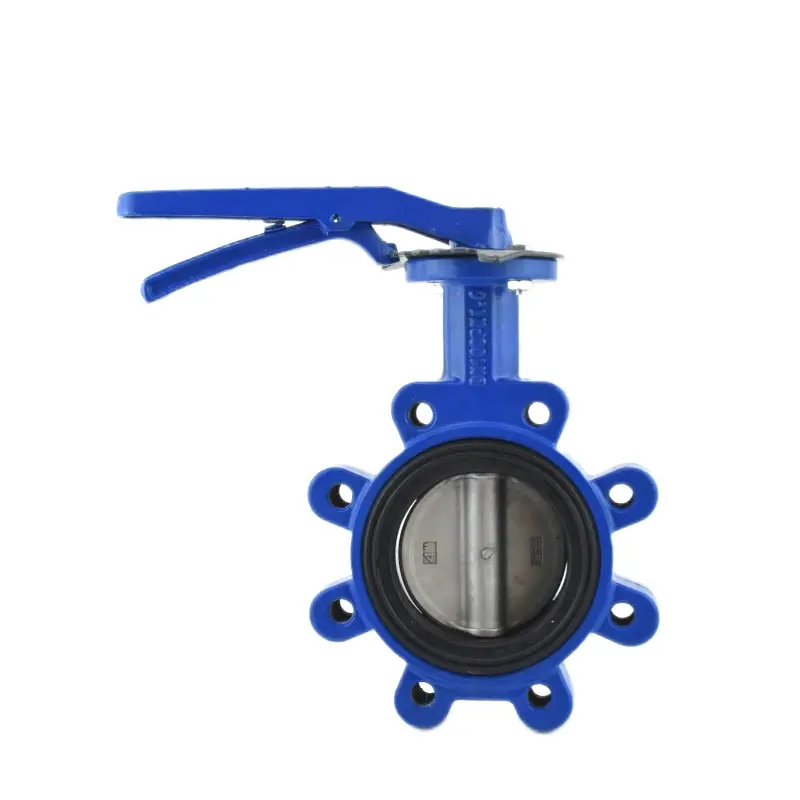
- Butterfly valves: Used in suitable large-diameter pipelines for isolation and flow control.
- Gate valves: Often selected for applications requiring full-bore isolation.
- Control valves: Used where more precise flow regulation is required.
- Intake gates: Help control water entering the penstock.
- Emergency shutoff equipment: Provides a means of isolating water flow during abnormal conditions.
The selection of control equipment depends on pressure, flow rate, operating frequency, installation location, and safety requirements.
7. Applications of Penstocks in Water Management Systems
Although penstocks are strongly associated with hydropower generation, they also support other water transportation and management projects.
Hydroelectric Power Plants
Penstocks carry water from reservoirs or intake structures to turbines, supporting the conversion of hydraulic energy into electricity.
Irrigation Infrastructure
Certain irrigation projects use enclosed pressure conduits to transport water from reservoirs or pumping stations toward distribution networks and agricultural areas.
Water Supply Projects
Large-scale water infrastructure may use pressure conduits to move water between storage facilities, treatment plants, and distribution systems.
Industrial Water Systems
Industrial facilities may use engineered water conduits to supply cooling water, process water, or other utility services where the system design requires controlled pressurized transportation.
Pumped-Storage Facilities
Pumped-storage hydropower systems use large water passages to move water between upper and lower reservoirs. Depending on the design, these passages may operate under changing flow directions and pressure conditions, requiring specialized hydraulic and structural engineering.
8. Materials Used in Penstock Construction
Material selection is essential because penstocks operate under demanding hydraulic and environmental conditions. The chosen material must provide sufficient strength, durability, and resistance to corrosion or other forms of deterioration.
Common construction materials include:
- Carbon steel: Frequently used in high-pressure penstocks because of its strength and suitability for engineered welded structures.
- Stainless steel: Considered for applications where corrosion resistance is particularly important.
- Reinforced concrete: Used in selected large-scale conduits and underground installations.
- FRP materials: Offer corrosion resistance and reduced weight in applications where their pressure and structural ratings are suitable.
Material selection should account for operating pressure, water chemistry, installation environment, maintenance access, expected service life, and project cost.
Protective coatings, corrosion-control systems, and appropriate inspection procedures can further support long-term performance.
9. Common Penstock Design and Operating Challenges
Despite their importance, penstocks face several challenges that can affect reliability and efficiency.
Water Hammer
Rapid changes in water velocity, particularly during sudden valve closure or turbine load changes, can create pressure surges known as water hammer. These surges may place significant stress on the conduit and connected equipment.
Engineers use appropriate hydraulic analysis, control strategies, surge tanks, and other protective arrangements to manage this risk.
Corrosion
Steel penstocks may experience internal or external corrosion depending on water chemistry, environmental exposure, and protective coating condition.
Regular inspection and suitable corrosion protection help reduce deterioration.
Leakage
Poor joints, damaged coatings, structural movement, or material deterioration can lead to leakage. Early detection is important to prevent further damage and water loss.
Structural Stress
Internal pressure, support movement, temperature variation, and surrounding ground conditions can create mechanical stresses. Proper design and inspection help maintain structural integrity.
Sediment and Debris
Water sources may contain sand, sediment, or other particles that can contribute to abrasion and wear. Intake screens and suitable sediment management arrangements help reduce the impact on downstream equipment.
10. Maintenance Practices for Reliable Penstock Operation
Routine inspection and preventive maintenance are important for maintaining penstock safety and performance throughout its service life.
Maintenance programs should be based on the installation type, operating pressure, material, environmental conditions, and applicable engineering requirements.
Common inspection activities include:
- Checking the conduit and joints for leakage.
- Inspecting coatings and protective systems for deterioration.
- Monitoring pressure and flow behavior.
- Examining supports, anchors, and expansion arrangements.
- Checking valves and associated control equipment.
- Evaluating corrosion, deformation, and structural damage.
- Reviewing inspection records and addressing identified defects.
Maintenance activities involving pressurized conduits must follow appropriate isolation, depressurization, and safety procedures. Large hydropower installations may also require specialist structural and hydraulic assessments.
11. How Proper Penstock Design Improves System Efficiency
An appropriately designed penstock helps deliver water to its destination while minimizing unnecessary hydraulic losses. Its diameter, length, internal surface condition, and layout all influence system performance.
Reducing friction losses can increase the hydraulic energy available at the turbine in a hydropower installation. Similarly, suitable conduit sizing can help maintain the required flow without creating excessive water velocity or pressure loss.
However, increasing pipe diameter also affects material quantities, construction costs, and installation requirements. Engineers must balance hydraulic efficiency with structural, environmental, and financial considerations.
A complete design assessment helps ensure that the penstock meets the project’s long-term operational needs.
Conclusion
Penstocks are essential components of hydropower and water management infrastructure because they provide a controlled pathway for transporting water under pressure. In hydropower plants, they deliver water to turbines, while other water management projects use similar conduits to support irrigation, supply, and industrial operations.
Their performance depends on appropriate sizing, material selection, pressure management, flow control equipment, and structural design. Regular inspection and preventive maintenance are equally important for identifying leakage, corrosion, water hammer risks, and other potential problems.
By combining sound engineering design with suitable valves, gates, and monitoring systems, project operators can maintain reliable water transportation, improve hydraulic efficiency, and support the long-term performance of water infrastructure.