
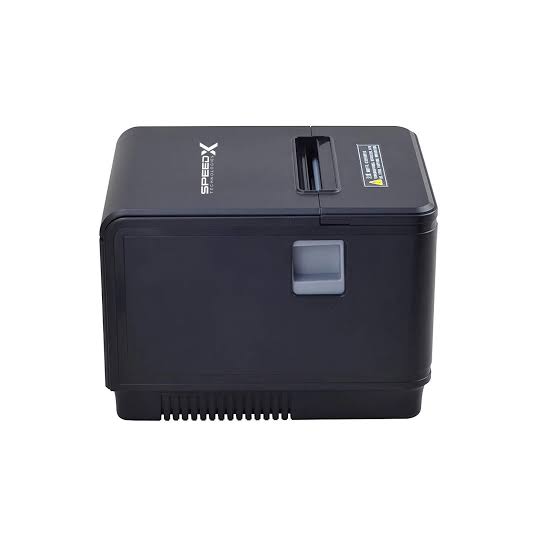
Efficient transaction processing is essential for businesses that serve customers throughout the day. Whether operating a retail store, restaurant, supermarket, pharmacy, or service center, companies need reliable equipment to manage payments and provide accurate transaction records. Receipt printing is an important part of this process because it helps customers verify purchases and allows businesses to maintain organized sales information.
A Thermal Receipt Printer offers a convenient way to handle everyday printing requirements without relying on traditional ink cartridges or toner. By using heat-sensitive paper and specialized printing technology, these devices produce receipts quickly and consistently. Their practical design, simple operation, and relatively low maintenance needs make them suitable for businesses of different sizes.
Understanding Thermal Receipt Printers
A thermal receipt printer is a printing device that uses heat to create text, numbers, and graphics on specially coated paper. Unlike conventional printers, direct thermal models do not require liquid ink or toner to produce printed information.
The printer contains a thermal printhead with small heating elements. As paper moves across the printhead, selected areas are heated to create visible content. This process allows businesses to generate receipts within seconds.
Thermal printing is particularly useful in environments where speed, reliability, and frequent printing are important.
Key Benefits of Using Thermal Receipt Printers
Thermal receipt printers provide several advantages that can improve daily business operations.
1. Faster Transaction Processing
One of the most significant benefits of thermal printing is its speed. These devices can produce receipts within seconds, helping employees complete customer transactions without unnecessary delays.
In supermarkets and busy retail stores, faster receipt printing can reduce waiting times and improve checkout efficiency. Restaurants can also benefit from quick bill generation during peak service hours.
2. Lower Operating Costs
Direct thermal printers do not require ink cartridges, ribbons, or toner. This reduces the number of consumable supplies businesses need to purchase and replace regularly.
Although thermal paper remains an ongoing expense, eliminating traditional ink-related costs can make these printers an economical option for high-volume receipt printing.
3. Reduced Maintenance Requirements
Traditional printers often require regular replacement of cartridges and other consumable components. Direct thermal printers have a simpler printing mechanism, which can reduce routine maintenance needs.
Businesses mainly need to maintain the printhead, paper feed mechanism, and other essential components. Following proper cleaning procedures can help maintain consistent printing performance.
4. Quiet Printing Operation
Noise can become a concern in customer-facing environments, especially in restaurants, offices, and retail counters.
Thermal receipt printers generally operate more quietly than many traditional impact printers. Their quieter performance creates a more comfortable working environment for employees and customers.
5. Compact and Space-Saving Design
Many thermal receipt printers feature compact construction, allowing businesses to install them in areas with limited counter space.
Their lightweight designs also make certain models suitable for mobile checkout stations, temporary sales counters, and small business workstations.
6. Clear and Readable Printing
Thermal printing technology can produce sharp text, numbers, and basic graphics. Many models also support barcodes and QR codes, making them useful for receipts containing product information and digital payment details.
Clear printing helps customers understand transaction details and allows businesses to maintain readable records.
7. Easy Integration With POS Systems
Modern thermal receipt printers can connect with different point-of-sale systems and business devices.
Depending on the model, connectivity options may include:
- USB connections for direct computer integration.
- Ethernet connections for network-based checkout systems.
- Bluetooth connectivity for compatible mobile devices.
- Wi-Fi support for wireless business environments.
These options allow businesses to select equipment that matches their existing technology infrastructure.
Applications Across Different Business Industries
Thermal receipt printers are used in various industries because they support fast and convenient document printing.
Retail Stores and Supermarkets
Retailers use these printers to generate purchase receipts containing product names, prices, quantities, discounts, and tax information. Their fast printing capabilities help employees manage busy checkout counters more efficiently.
Restaurants and Cafes
Food service businesses use thermal printers to produce customer bills and kitchen orders. Kitchen printing systems can send order details directly to preparation areas, helping staff coordinate daily activities.
Pharmacies and Healthcare Facilities
Pharmacies use receipt printers for customer billing and payment records. Healthcare facilities may also use them to generate administrative receipts and transaction confirmations.
Banking and Financial Services
ATMs and payment terminals frequently use thermal printing technology to produce withdrawal slips, transaction confirmations, and account-related information.
Transportation and Ticketing Services
Transportation companies use thermal printers for parking tickets, travel documents, payment receipts, and other transaction-related materials.
Factors to Consider When Choosing a Thermal Receipt Printer
Selecting the right printer requires evaluating several technical and operational requirements.
Printing speed: Consider the number of transactions handled daily and choose a model that can support expected printing volumes.
Paper width: Common thermal receipt paper widths include 58 mm and 80 mm. The appropriate size depends on receipt formatting and business requirements.
Print resolution: Higher resolution can improve the clarity of small text, logos, and barcodes.
Connectivity: Check whether the printer supports the USB, Ethernet, Bluetooth, or Wi-Fi connections required by existing POS equipment.
Durability: Evaluate the printhead lifespan, cutter quality, and overall construction, particularly when the printer will be used continuously.
Software compatibility: Confirm that the device supports the operating systems, drivers, and POS applications used by the business.
Tips for Maintaining Thermal Receipt Printers
Proper maintenance helps businesses achieve consistent printing quality and reduce unnecessary equipment problems.
- Clean the thermal printhead regularly using manufacturer-approved methods.
- Use compatible thermal paper rolls to prevent feeding and printing issues.
- Keep the printer away from excessive heat, dust, and moisture.
- Inspect the paper cutter and rollers periodically.
- Follow the manufacturer’s instructions for installation and operation.
Thermal paper should also be stored in suitable conditions because excessive heat and sunlight can cause printed information to fade.
Conclusion
Thermal receipt printers offer several practical benefits for everyday business operations, including faster transactions, reduced consumable costs, quiet performance, and simplified maintenance. Their compact designs and compatibility with modern POS systems make them suitable for retail stores, restaurants, pharmacies, banks, and transportation services.
By evaluating printing requirements, connectivity options, paper compatibility, and equipment durability, businesses can select a suitable printing solution. With proper maintenance and compatible supplies, thermal receipt printers can support efficient transactions and dependable daily operations.