
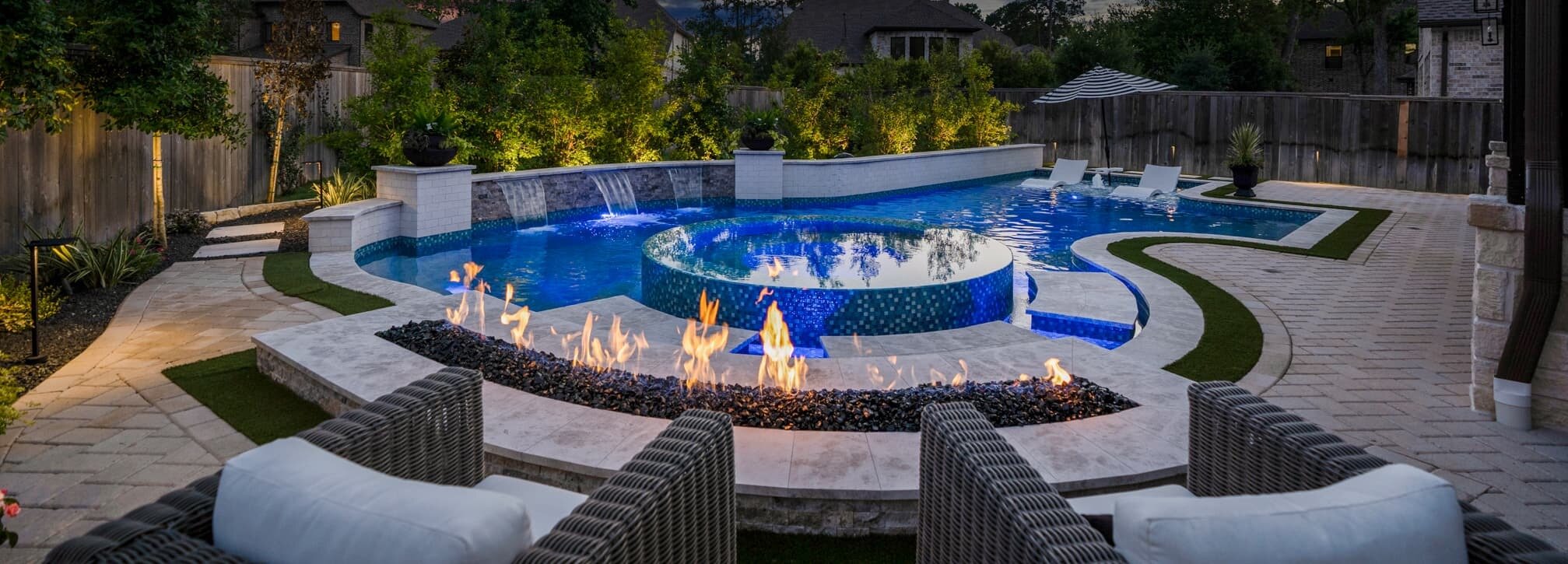
Choosing the right materials and finishes is an important part of designing a swimming pool. These decisions influence more than its appearance; they also affect durability, maintenance requirements, water quality, comfort, and long-term operating costs. With several construction materials and finishing options available, homeowners can create swimming environments that complement their properties and meet their practical needs.
A well-planned Custom Swimming Pool offers flexibility in selecting structural materials, interior surfaces, coping, and surrounding decking. Understanding the characteristics of each option helps property owners make informed decisions and achieve a balance between visual appeal, performance, and maintenance.
Understanding the Difference Between Pool Materials and Finishes
Pool construction materials and finishing materials serve different purposes. Structural materials form the pool shell and provide the strength needed to contain water. Finishes are applied to the interior or exterior surfaces to improve appearance, comfort, and protection.
For example, a pool may have a concrete structure with a plaster interior finish and natural stone coping. Similarly, a fiberglass pool uses a manufactured shell with an integrated smooth surface.
Understanding these differences makes it easier to compare construction methods and determine which combinations are suitable for a particular project.
1. Concrete: Flexibility and Design Freedom
Concrete is a popular construction material for swimming pools because it allows considerable flexibility in dimensions, shapes, and architectural details.
Unlike prefabricated pool shells, concrete structures can be designed around specific property layouts and individual preferences.
Benefits of Concrete Pools
- Design flexibility: Suitable for geometric, curved, and irregular shapes.
- Customization: Can accommodate built-in benches, steps, tanning ledges, and other features.
- Finish options: Compatible with plaster, pebble, and various tile finishes.
- Structural versatility: Can be engineered for different site conditions and pool configurations.
However, concrete pools generally require longer construction periods than prefabricated alternatives. Their surfaces may also require periodic maintenance or resurfacing depending on the finish and water chemistry.
2. Fiberglass: Smooth Surfaces and Convenient Maintenance
Fiberglass pools are manufactured as prefabricated shells and transported to the installation site. They are available in different shapes and dimensions, although customization depends on the manufacturer’s product range.
One of their main characteristics is a smooth, nonporous interior surface that can make routine cleaning easier.
Advantages of Fiberglass
Fiberglass surfaces generally resist algae attachment better than some rougher pool finishes. This may reduce certain cleaning demands when water chemistry and circulation are properly maintained.
Other advantages include:
- Relatively quick installation when site conditions are suitable.
- Smooth interior surfaces.
- Available designs with integrated steps and seating.
- Less routine surface maintenance than some alternatives.
Homeowners should also consider transportation access, shell dimensions, installation requirements, and repair options before selecting this construction method.
3. Vinyl Liners: Versatile and Adaptable
Vinyl-lined pools use a flexible liner fitted over a prepared structural framework. The liner provides the finished interior surface and is available in different colors, patterns, and designs.
This option can offer flexibility in pool dimensions and a relatively smooth swimming surface.
Important Considerations
Vinyl liners are not permanent finishes and may eventually require replacement. Their lifespan depends on material quality, exposure to sunlight, water chemistry, and general maintenance.
Homeowners should consider both initial installation costs and future liner replacement expenses when evaluating this option.
Proper installation is also essential to prevent wrinkles, damage, and potential leakage.
4. Plaster Finishes for a Classic Appearance
Plaster is one of the traditional interior finishes used in concrete swimming pools. It creates a relatively smooth surface and is available in different colors.
White plaster is commonly selected for its simple appearance, while colored plaster can influence the visual tone of the pool water.
Advantages of Plaster
- Offers a clean, traditional appearance.
- Provides a relatively affordable finishing option.
- Can be applied to different pool shapes.
- Creates a smooth interior surface when properly installed.
Standard plaster may be more susceptible to staining, surface wear, and chemical-related damage than some premium alternatives. Regular water balancing and appropriate maintenance are important for preserving its condition.
5. Pebble Finishes for Texture and Durability
Pebble finishes combine cement-based materials with small natural or manufactured aggregates. They create a textured surface that can provide a distinctive appearance.
These finishes are available in different color combinations, allowing homeowners to influence the overall look of the water.
Why Consider Pebble Finishes?
Pebble surfaces are often selected for their durability and natural appearance. They can also help conceal minor surface imperfections and provide a distinctive alternative to traditional plaster.
However, texture varies between products. Homeowners should review physical samples to understand how comfortable a particular finish will feel underfoot and against the skin.
Professional application and proper water chemistry are also important for long-term performance.
6. Glass Mosaic Tiles for a Premium Appearance
Glass mosaic tiles are frequently used in decorative swimming pool designs. Their reflective properties interact with natural and artificial lighting, producing attractive visual effects.
They are available in a wide range of colors, patterns, and sizes.
Popular Applications
- Entire pool interiors.
- Waterline borders.
- Decorative steps and benches.
- Water features and raised walls.
- Accent sections within larger designs.
Glass tiles can create a sophisticated appearance, but installation requires careful surface preparation and suitable adhesives and grout.
Homeowners should also consider the additional installation and maintenance costs associated with intricate tile designs.
7. Porcelain and Ceramic Tiles
Porcelain and ceramic tiles provide another option for swimming pool interiors and surrounding surfaces.
Porcelain generally has lower water absorption than ordinary ceramic tile, making it suitable for many pool applications when the product is specifically rated for submerged use.
Ceramic tiles offer a variety of colors, textures, and decorative patterns.
When selecting either material, homeowners should check the manufacturer’s recommendations for water exposure, chemical resistance, slip resistance, and installation conditions.
8. Natural Stone for Pool Coping and Decking
Natural stone can introduce texture and an organic appearance to the pool environment. It is commonly used for coping, pathways, retaining walls, and surrounding decking.
Popular options include:
Travertine: Known for its natural texture and earthy appearance, travertine is frequently used around outdoor swimming pools.
Granite: Offers durability and comes in various colors and surface finishes.
Limestone: Provides a softer, understated appearance that can complement landscaped environments.
Slate: Creates a distinctive textured look and is available in different natural tones.
Not every stone is suitable for every pool application. Some varieties may absorb water, become slippery, or react to certain chemicals. Proper sealing and surface selection should therefore be considered.
9. Choosing the Right Pool Decking Material
The area surrounding a swimming pool deserves as much attention as the interior finish. Decking affects safety, comfort, drainage, and the overall appearance of the outdoor environment.
Several options are available:
- Concrete pavers: Offer practical installation and different design arrangements.
- Natural stone: Provides an organic appearance and varied textures.
- Porcelain pavers: Can create a contemporary look with suitable outdoor-rated products.
- Composite decking: Offers a wood-inspired appearance with generally lower maintenance than traditional timber.
- Textured concrete: Provides flexibility in patterns, colors, and surface treatments.
Slip resistance, heat retention, drainage, and maintenance should guide the final selection.
10. Factors to Consider When Selecting Pool Materials
The most attractive material is not necessarily the most suitable choice for every property. Homeowners should evaluate several factors before making a final decision.
Budget and Installation Costs
Some finishes require specialized labor and more detailed installation. Comparing initial expenses alongside future maintenance costs provides a more realistic picture of affordability.
Durability
Materials should withstand regular water exposure, pool chemicals, weather conditions, and expected usage.
Comfort
Interior surfaces and surrounding decking should be comfortable for regular use. Rough textures and heat-retaining materials may affect the swimming experience.
Maintenance Requirements
Some materials require frequent cleaning, sealing, or resurfacing. Choosing finishes that match available maintenance time can make pool ownership more manageable.
Architectural Compatibility
Colors, textures, and materials should complement the home’s exterior and surrounding landscape. Consistency between the pool, decking, and garden can create a more balanced outdoor environment.
11. Combining Different Finishes for a Unique Design
Homeowners do not have to rely on a single material throughout the entire swimming pool area. Combining complementary finishes can create visual contrast and improve functionality.
For example, a concrete pool with a pebble interior finish and natural stone coping can create a natural appearance. Alternatively, a geometric pool with glass mosaic accents and porcelain decking may suit a contemporary property.
The key is to maintain a consistent design approach. Using too many unrelated colors and textures can make the outdoor environment feel visually crowded.
Working with an experienced pool designer can help identify material combinations that are attractive, durable, and appropriate for the property’s conditions.
Conclusion
Selecting the right materials and finishes is essential for creating a swimming pool that performs well and complements its surroundings. Concrete, fiberglass, and vinyl offer different construction possibilities, while plaster, pebble, glass tile, porcelain, and natural stone provide a wide range of finishing options.
The best choices depend on the property’s design, available budget, maintenance preferences, and intended pool usage. By comparing durability, comfort, installation requirements, and long-term costs, homeowners can make informed decisions that support a practical and attractive swimming environment.
Careful material selection ultimately helps create a swimming pool that remains functional, visually appealing, and enjoyable for years to come.