
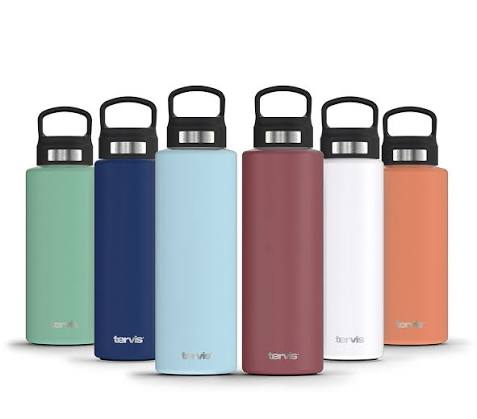
Sustainability has become an important consideration for businesses and consumers when choosing everyday products. As awareness of waste reduction and responsible material use grows, reusable drinkware is attracting interest across retail, hospitality, corporate gifting, and promotional merchandise markets. Water bottles, travel mugs, tumblers, and reusable cups offer practical alternatives to many single-use beverage containers when they are used regularly and maintained properly.
For retailers, distributors, and corporate buyers, Drinkware Wholesale sourcing provides an opportunity to explore products made from different materials and designed for repeated use. However, choosing sustainable drinkware involves more than selecting a product with an environmentally friendly label. Buyers should examine material composition, manufacturing processes, durability, packaging, and relevant certifications before placing bulk orders. Understanding these factors can help businesses make more responsible purchasing decisions while meeting customer expectations.
1. Why Sustainable Drinkware Is Gaining Attention
Growing awareness of environmental challenges has encouraged many businesses to reconsider the products they purchase and distribute. Disposable cups, bottles, and other beverage containers can contribute to waste when they are used once and discarded.
Reusable drinkware offers another approach by providing containers that can be used repeatedly. Depending on the material, product lifespan, and consumer habits, reusable products may help reduce reliance on disposable alternatives.
Several factors are contributing to interest in sustainable drinkware:
- Waste reduction: Reusable containers can reduce the need for single-use beverage packaging when used consistently.
- Consumer preferences: Some customers actively look for products made with responsibly sourced or recycled materials.
- Corporate responsibility: Businesses may include reusable drinkware in sustainability initiatives and employee programs.
- Promotional opportunities: Branded reusable bottles and mugs can support campaigns focused on responsible consumption.
- Product durability: Well-made drinkware can remain useful for extended periods.
For wholesale buyers, these trends create opportunities to develop product collections that combine practical value with more responsible material choices.
2. Stainless Steel Drinkware for Repeated Use
Stainless steel is one of the most widely used materials in reusable drinkware. It is valued for its strength, corrosion resistance, and suitability for different bottle and tumbler designs.
Common stainless steel products include:
- Reusable water bottles.
- Insulated travel mugs.
- Vacuum-insulated tumblers.
- Sports bottles.
- Reusable beverage containers.
Stainless steel products can be suitable for customers seeking durable drinkware for offices, travel, fitness, and everyday hydration.
However, buyers should examine the manufacturing and material details rather than assuming every stainless steel product has the same environmental characteristics. Steel production requires resources and energy, so product lifespan and repeated use are important considerations.
When purchasing wholesale stainless steel drinkware, review the steel grade, construction, insulation design, coating, and relevant food-contact documentation. Also ask whether the manufacturer can provide information about recycled content if it is advertised.
3. Glass Drinkware as a Reusable Alternative
Glass is another material worth exploring for sustainable drinkware collections. It is commonly used for beverage containers, reusable cups, bottles, and drinking glasses.
Its main characteristics include:
Reusable design: Glass containers can be used repeatedly when handled and maintained appropriately.
Non-porous surface: Glass generally does not absorb beverage odors or flavors in the same way some other materials may.
Simple appearance: Clear glass can provide a clean and versatile look for retail and hospitality products.
Recycling potential: Many types of glass can be recycled, although recycling availability depends on local collection systems and product composition.
Glass drinkware can appeal to cafés, restaurants, hotels, and retailers looking for reusable beverage products.
The main purchasing consideration is fragility. Glass products require suitable packaging and careful transportation, particularly when ordering large quantities. Buyers should also review product thickness, construction, and any protective features before selecting a supplier.
4. Bamboo Components and Natural Material Designs
Bamboo is often used in drinkware accessories and decorative components because it is a rapidly renewable plant material.
Products featuring bamboo may include:
- Bamboo-lid travel cups.
- Bottles with bamboo accents.
- Reusable cups with bamboo sleeves.
- Drinkware gift sets.
- Promotional beverage containers with bamboo details.
These products can appeal to businesses seeking a natural appearance for lifestyle collections, corporate gifts, or promotional merchandise.
However, buyers should distinguish between products made entirely from bamboo and products that simply include bamboo components. Many drinkware items combine bamboo with stainless steel, glass, plastic, silicone, or other materials.
It is also important to ask about coatings, adhesives, and treatments used during manufacturing. Bamboo components should be suitable for their intended application and maintained according to the manufacturer’s care instructions.
5. Recycled Plastic Drinkware
Recycled plastic is another material category that wholesale buyers may consider when developing sustainability-focused collections.
Depending on the product and manufacturing process, recycled plastic can be used in reusable cups, bottles, and other beverage containers.
Potential benefits include:
- Incorporating recovered plastic materials into new products.
- Supporting material reuse.
- Offering lightweight product designs.
- Providing additional options for promotional campaigns.
Buyers should request clear information about the type and percentage of recycled content. They should also verify whether the material is suitable for the intended food-contact application.
Not all recycled plastics are appropriate for every drinkware use. Product safety, temperature limitations, cleaning requirements, and relevant regulations must be considered before purchasing.
6. Reusable Plastic Drinkware
Reusable plastic drinkware can provide a lightweight and practical option for schools, sports activities, outdoor events, and promotional campaigns.
Products may be available in different shapes, capacities, and colors. Some designs include handles, carrying loops, drinking straws, or convenient lids.
When evaluating these products, consider:
- Plastic type and material composition.
- Product durability.
- Food-contact suitability.
- Temperature limitations.
- Cleaning instructions.
- Reusability and expected product lifespan.
- Availability of relevant safety documentation.
Buyers should not automatically describe plastic drinkware as sustainable simply because it is reusable. Its environmental value depends on how long it is used, whether it can be recycled through available systems, and how it is manufactured and disposed of.
7. Ceramic Mugs for Sustainable Everyday Use
Ceramic mugs are established products in homes, offices, cafés, and hospitality environments. Their suitability for repeated use makes them an option for businesses looking to offer durable beverage containers.
Wholesale ceramic drinkware includes:
- Standard coffee mugs.
- Tea cups.
- Branded office mugs.
- Promotional ceramic gift sets.
- Reusable beverage cups.
Ceramic products can support long-term use when they are manufactured and handled properly. However, they may break if dropped, so product construction and packaging quality are important.
When sourcing ceramic drinkware, examine glaze quality, surface finish, dimensions, weight, and applicable food-contact requirements. Ask the manufacturer for relevant test documentation, especially when products will be used for hot beverages or sold in regulated markets.
8. Cork and Other Alternative Materials
Some manufacturers incorporate cork into drinkware designs as a decorative or functional component. Cork is obtained from the bark of cork oak trees, which can be harvested without cutting down the tree when managed appropriately.
In drinkware, cork may be used for:
- Bottle sleeves.
- Cup bases.
- Protective grips.
- Decorative accents.
- Gift packaging.
Cork components can provide a distinctive natural appearance and improve grip or surface protection, depending on the design.
Other alternative materials may include responsibly sourced wood, plant-based fibers, and selected bio-based materials. Buyers should investigate the exact composition of these products rather than relying on broad descriptions such as natural, biodegradable, or eco-friendly.
A material’s environmental performance depends on sourcing, processing, product durability, and end-of-life options.
9. Popular Sustainable Drinkware Products to Explore
Wholesale buyers can develop a balanced collection by combining different materials and product types.
| Product | Common material | Potential applications |
|---|---|---|
| Reusable water bottles | Stainless steel or suitable plastic | Retail, fitness, corporate gifts |
| Insulated tumblers | Stainless steel | Offices, travel, promotional campaigns |
| Glass bottles | Glass | Home, hospitality, retail |
| Ceramic mugs | Ceramic | Offices, cafés, corporate gifting |
| Bamboo-lid cups | Mixed materials | Lifestyle collections and gifts |
| Cork-sleeve bottles | Glass or stainless steel with cork | Retail and promotional merchandise |
| Reusable cups | Plastic or other suitable materials | Events, hospitality, everyday use |
| Recycled-content drinkware | Verified recycled materials | Sustainability-focused promotions |
The best selection depends on customer preferences, budget, intended use, and local market requirements.
10. Understanding Recycled and Renewable Material Claims
Sustainability claims can influence purchasing decisions, but buyers should verify them before including products in a promotional or retail collection.
Terms such as recycled, recyclable, renewable, biodegradable, and compostable describe different characteristics.
Recycled content means that some or all of the material comes from previously used or recovered resources.
Recyclable means that a product or material can be processed through an appropriate recycling system. Actual availability depends on local facilities and collection practices.
Renewable material refers to a resource that can be replenished over time under suitable management conditions.
Biodegradable describes a material that can be broken down by biological processes under particular environmental conditions.
Compostable refers to materials designed to break down under specified composting conditions. Some products require industrial composting facilities rather than home composting.
Wholesale buyers should request supporting documentation for environmental claims and avoid using general sustainability labels without evidence.
11. The Importance of Product Durability
Durability is a major consideration when evaluating sustainable drinkware. A product designed for repeated use should be capable of withstanding normal handling and cleaning over an appropriate period.
Poorly constructed products may need frequent replacement, reducing the practical value of choosing reusable materials.
Before placing a bulk order, evaluate:
- Body strength and construction.
- Lid and closure durability.
- Resistance to ordinary wear.
- Surface coating quality.
- Handle and accessory attachment.
- Cleaning requirements.
- Availability of replacement components.
Request samples and test products under conditions that reflect their intended use. For large orders, consider defining acceptable quality standards in the purchase agreement.
12. Sustainable Packaging for Wholesale Drinkware
Packaging is another part of the purchasing process that deserves attention. Even when the drinkware itself uses durable or recycled materials, excessive packaging can create unnecessary waste.
Wholesale buyers can ask suppliers about packaging alternatives such as:
- Recycled-content cardboard cartons.
- Paper-based protective materials.
- Reduced plastic wrapping where suitable.
- Reusable storage containers.
- Minimal individual packaging.
- Packaging made from verified responsibly sourced materials.
The right option depends on the product and transportation requirements. Fragile items such as glass and ceramic drinkware still need adequate protection to prevent breakage.
Discuss packaging specifications with manufacturers before production so the agreed materials and quantities are reflected in the quotation.
13. Customization Opportunities for Sustainable Drinkware
Reusable drinkware can also support promotional campaigns and branded product collections. Customization allows businesses to add logos, messages, and designs that match their identity.
Common branding methods include:
Laser engraving: Often used for compatible stainless steel surfaces.
Screen printing: Suitable for certain bottle, cup, and mug designs.
UV printing: Can support detailed graphics on compatible materials.
Custom packaging: Provides an opportunity to create branded gift presentation.
Decorative sleeves: Materials such as cork or other suitable coverings can add visual distinction.
For sustainability-focused campaigns, buyers should consider the durability of the decoration method. A product intended for long-term use should have branding that can withstand its expected handling and cleaning conditions.
Request a customized sample before approving large-scale production.
14. How Businesses Can Select Sustainable Drinkware Suppliers
Finding a suitable manufacturer requires more than reviewing a product catalog. Buyers should evaluate the supplier’s manufacturing practices, material transparency, quality control, and ability to provide supporting documentation.
Important questions include:
- What materials are used in each product?
- Does the manufacturer offer verified recycled-content options?
- Can it provide material declarations or relevant test reports?
- Are environmental claims supported by documentation?
- What quality control procedures are followed?
- Are replacement lids or components available?
- Can packaging materials be adjusted?
- What are the minimum order quantities?
- Can the manufacturer maintain consistent quality across repeat orders?
- What are the production and shipping lead times?
Where possible, request product samples and verify important claims independently. A supplier that provides clear information is easier to evaluate than one that relies only on broad marketing descriptions.
15. Comparing Costs and Value in Sustainable Drinkware Wholesale
Sustainable drinkware may have different pricing structures depending on material, manufacturing complexity, product design, and order quantity.
A low unit price does not necessarily represent the best value. Buyers should consider the expected product lifespan, quality, maintenance requirements, and overall cost of ownership.
When comparing quotations, review:
- Material specifications.
- Recycled or renewable content claims.
- Manufacturing quality.
- Product features.
- Customization charges.
- Packaging costs.
- Minimum order quantities.
- Sample expenses.
- Shipping and import costs.
- Availability of replacement parts.
For example, a durable stainless steel bottle may have a higher initial price than a basic plastic bottle, but its long-term value depends on how well it is constructed and how frequently it is reused.
A complete comparison helps businesses select products that fit their budget without compromising essential requirements.
16. Sustainable Drinkware for Corporate Gifts and Promotional Campaigns
Many companies include reusable drinkware in corporate responsibility initiatives, employee programs, and promotional activities.
Suitable products may include:
- Stainless steel water bottles.
- Insulated travel tumblers.
- Reusable ceramic mugs.
- Glass beverage bottles.
- Cups made with verified recycled materials.
- Customized drinkware gift sets.
Businesses can use these products for employee onboarding, customer appreciation, conferences, exhibitions, and internal sustainability campaigns.
However, promotional messaging should be accurate. If a company describes a product as recycled, biodegradable, or environmentally responsible, it should have evidence supporting that claim.
Wholesale suppliers can add value by offering clear product information, customization options, and packaging choices that align with campaign requirements.
17. Common Mistakes to Avoid When Buying Sustainable Drinkware
Selecting sustainable products requires careful research. Some purchasing mistakes can undermine the intended benefits or create problems after delivery.
Avoid these common issues:
- Choosing products based only on environmental marketing language.
- Assuming all reusable products have the same environmental impact.
- Failing to verify recycled-content claims.
- Ignoring product safety and food-contact requirements.
- Overlooking durability and cleaning instructions.
- Ordering large quantities without inspecting samples.
- Using excessive packaging for promotional products.
- Making unsupported environmental claims.
- Ignoring local recycling and disposal facilities.
- Selecting suppliers without checking production quality.
A balanced evaluation helps businesses make purchasing decisions based on evidence rather than assumptions.
18. Best Practices for Building a Sustainable Drinkware Collection
Businesses can develop a more responsible product range by following a structured sourcing approach.
- Identify customer requirements: Determine which products and materials suit your target market.
- Research available materials: Compare stainless steel, glass, ceramic, recycled plastic, and other options.
- Check product documentation: Request material details and relevant compliance reports.
- Evaluate durability: Inspect samples and assess expected product lifespan.
- Review manufacturing practices: Ask suppliers about material sourcing and production processes.
- Consider packaging: Choose practical options that minimize unnecessary materials while protecting products.
- Compare complete costs: Include customization, shipping, and other additional expenses.
- Start with a manageable order: Test customer response before purchasing excessive quantities.
- Review supplier performance: Monitor quality, delivery, and consistency over time.
This process can help businesses build a collection that reflects customer needs while supporting more informed sourcing decisions.
Conclusion
Sustainable drinkware wholesale offers opportunities for retailers, distributors, hospitality businesses, and corporate buyers seeking reusable products and alternative material options. Stainless steel, glass, ceramic, recycled plastic, bamboo components, and cork accents each offer different characteristics that may suit particular applications.
However, responsible purchasing requires more than choosing products with appealing environmental descriptions. Buyers should examine material composition, product durability, manufacturing practices, food-contact compliance, packaging, and the evidence behind sustainability claims.
By comparing suppliers carefully, requesting samples, and selecting products according to their intended use, businesses can develop practical drinkware collections that meet customer expectations. A thoughtful approach to material selection and wholesale sourcing can also support stronger supplier relationships and more responsible purchasing decisions over time.