
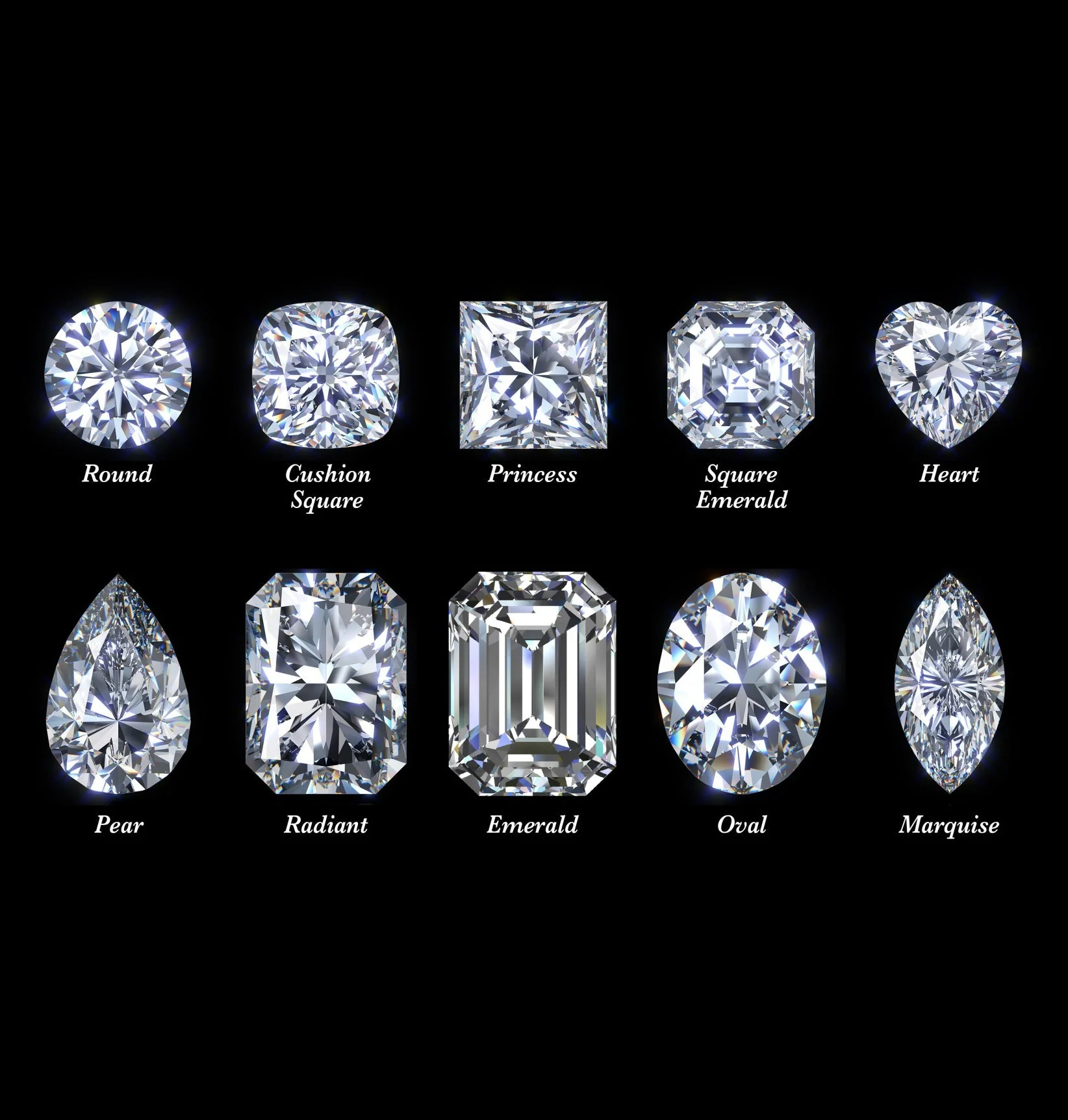
Diamond shape and cut play an important role in determining the appearance, brilliance, and overall appeal of a piece of jewelry. From classic round diamonds to modern fancy shapes, buyers have numerous options when selecting stones for engagement rings, necklaces, earrings, and other accessories. With the growing popularity of laboratory-grown diamonds, this variety has become increasingly accessible to jewelry designers, retailers, and individual customers.
A professional Lab Grown Diamond Manufacturer can offer different diamond shapes, cutting styles, and specifications to meet the needs of various jewelry collections. Understanding these options helps buyers choose diamonds that complement their designs, suit their budgets, and match their customers’ preferences.
Understanding the Difference Between Diamond Cuts and Shapes
Diamond shape and cut are closely related, but they describe different characteristics.
Diamond shape refers to the overall outline or external appearance of a stone. Common examples include round, oval, pear, emerald, and princess shapes.
Diamond cut refers to how well the diamond has been proportioned, faceted, and polished. It influences how light enters and exits the stone, affecting its brilliance, fire, and scintillation.
For example, two round diamonds may have the same shape but different cut quality. A well-proportioned diamond generally reflects light more effectively than one with poorly executed proportions.
Understanding this distinction is important when comparing diamonds from different manufacturers.
1. Round Brilliant Cut Diamonds
<AsyncImage query=”round brilliant cut loose lab grown diamond white background top view” aspectRatio=”16:9″ width=”100%”/>
The round brilliant is one of the most popular diamond shapes in the jewelry industry. Its symmetrical design and carefully arranged facets are intended to maximize light performance.
A traditional round brilliant diamond typically features 57 or 58 facets, depending on whether the culet is included.
Its versatility makes it suitable for several jewelry applications, including:
- Classic engagement rings.
- Diamond stud earrings.
- Pendant necklaces.
- Tennis bracelets.
- Wedding jewelry.
Round diamonds remain a popular choice for buyers who appreciate traditional styling and strong brilliance.
2. Oval Cut Diamonds
<AsyncImage query=”oval cut loose lab grown diamond top view white background” aspectRatio=”16:9″ width=”100%”/>
Oval diamonds feature an elongated outline with rounded edges. They offer a combination of traditional brilliance and contemporary styling.
Their elongated appearance can create the impression of greater size compared with some other shapes of similar carat weight.
Oval diamonds are commonly used in engagement rings, halo settings, and statement jewelry. Their proportions can also create an elegant visual effect on the finger.
When selecting an oval diamond, buyers should pay attention to symmetry and the bow-tie effect, which appears as a darker area across the center of some elongated brilliant cuts.
3. Princess Cut Diamonds
<AsyncImage query=”princess cut loose lab grown diamond top view white background” aspectRatio=”16:9″ width=”100%”/>
Princess cut diamonds are recognized for their square or slightly rectangular shape and pointed corners.
Their modern appearance makes them suitable for buyers who prefer geometric jewelry designs. The brilliant-style faceting also gives these diamonds noticeable sparkle.
Common applications include:
- Solitaire engagement rings.
- Three-stone rings.
- Contemporary earrings.
- Geometric pendant designs.
Because princess cuts have pointed corners, protective settings can help reduce the risk of accidental damage during everyday wear.
4. Emerald Cut Diamonds
<AsyncImage query=”emerald cut loose lab grown diamond top view white background” aspectRatio=”16:9″ width=”100%”/>
Emerald cut diamonds have a rectangular shape with trimmed corners and step-cut facets. Unlike brilliant cuts, their appearance emphasizes broad flashes of light rather than intense sparkle.
The open table and clean facet arrangement create a distinctive visual effect often described as a hall-of-mirrors appearance.
Emerald cuts are particularly popular in elegant engagement rings and sophisticated jewelry collections.
Because their large open surfaces can make inclusions and color characteristics more noticeable, buyers should carefully evaluate clarity and overall appearance when selecting these stones.
5. Pear Shaped Diamonds
<AsyncImage query=”pear shaped loose lab grown diamond white background top view” aspectRatio=”16:9″ width=”100%”/>
Pear shaped diamonds combine a rounded end with a pointed tip, creating a distinctive teardrop silhouette.
This shape offers flexibility for both traditional and contemporary jewelry designs. It can be positioned in different directions depending on the desired appearance.
Pear diamonds are commonly used in:
- Drop earrings.
- Pendant necklaces.
- Engagement rings.
- Customized statement jewelry.
When evaluating pear diamonds, buyers should consider symmetry, the shape of the shoulders, and the appearance of the pointed end.
6. Cushion Cut Diamonds
<AsyncImage query=”cushion cut loose lab grown diamond white background top view” aspectRatio=”16:9″ width=”100%”/>
Cushion cut diamonds feature a square or rectangular outline with rounded corners. Their appearance resembles a cushion, which explains the name.
Depending on their faceting pattern, cushion diamonds can display either a brilliant appearance or broader flashes of light.
They are popular in vintage-inspired engagement rings and modern jewelry collections.
Their softer outline makes them suitable for buyers who want something different from a traditional round or princess cut without choosing an extremely unusual shape.
7. Radiant Cut Diamonds
<AsyncImage query=”radiant cut loose lab grown diamond white background top view” aspectRatio=”16:9″ width=”100%”/>
Radiant cut diamonds combine a rectangular or square outline with brilliant-style faceting.
They are designed to deliver noticeable sparkle while maintaining a more structured shape than round or oval diamonds.
Radiant cuts are often selected for engagement rings and statement jewelry because they combine geometric styling with strong light reflection.
Their versatility allows designers to use them in both modern solitaire settings and more elaborate multi-stone arrangements.
8. Asscher Cut Diamonds
<AsyncImage query=”asscher cut loose lab grown diamond white background top view” aspectRatio=”16:9″ width=”100%”/>
Asscher cut diamonds have a square outline, clipped corners, and step-cut facets. They share some visual similarities with emerald cuts but generally have a more compact square appearance.
Their symmetrical structure creates a distinctive optical effect, particularly when viewed from above.
Asscher diamonds are suitable for vintage-inspired rings and jewelry designs that emphasize clean geometry.
Because of their open facet arrangement, clarity and symmetry deserve particular attention when selecting these stones.
9. Marquise Cut Diamonds
<AsyncImage query=”marquise cut loose lab grown diamond white background top view” aspectRatio=”16:9″ width=”100%”/>
Marquise diamonds feature an elongated shape with pointed ends. Their distinctive outline creates a dramatic appearance and can make a diamond look larger for its carat weight.
This shape works well in engagement rings, decorative pendants, and statement jewelry.
Buyers should examine the symmetry of both ends and ensure that the pointed tips are adequately protected by the setting.
10. Heart Shaped Diamonds
<AsyncImage query=”heart shaped loose lab grown diamond white background top view” aspectRatio=”16:9″ width=”100%”/>
Heart shaped diamonds are recognized for their distinctive romantic appearance. They feature a cleft at the top and two rounded lobes that form a pointed bottom.
They are commonly used in personalized jewelry, anniversary gifts, pendants, and engagement rings.
Producing a visually balanced heart shape requires careful cutting and symmetry. The proportions of the two lobes and the central cleft should be evaluated before purchasing.
How Manufacturers Create Different Diamond Cuts
The production of different diamond shapes requires technical expertise, careful planning, and precision equipment.
Lab grown diamonds are created using two primary methods: High Pressure High Temperature (HPHT) and Chemical Vapor Deposition (CVD).
Once a rough diamond crystal has been grown, specialists evaluate its structure and determine the most suitable cutting plan.
Modern cutting technology may involve:
- Rough diamond analysis: Evaluating the crystal’s dimensions and internal characteristics.
- Digital planning: Using specialized software to identify suitable cutting possibilities.
- Laser cutting: Separating or shaping diamond material with precision.
- Faceting: Creating the surfaces required for the selected diamond shape.
- Polishing: Refining the facets to achieve the desired finish.
- Final inspection: Checking proportions, symmetry, polish, and other quality characteristics.
Each stage requires attention to detail because cutting decisions influence the finished diamond’s appearance and material utilization.
Factors to Consider When Choosing a Diamond Shape
Selecting the right diamond shape depends on personal preferences, jewelry design, and practical considerations.
Jewelry Style
Different shapes create different visual impressions. Round diamonds suit classic designs, while emerald and Asscher cuts often complement more structured and vintage-inspired settings.
Oval, pear, and marquise diamonds can create elongated visual effects, making them popular choices for distinctive jewelry.
Budget
Diamond shape can influence pricing. Round brilliant diamonds often command higher prices than some fancy shapes with comparable specifications.
However, actual prices depend on factors such as carat weight, quality, availability, and market conditions.
Cut Quality
A diamond’s shape does not automatically determine its cut quality. Buyers should evaluate proportions, symmetry, and polish when comparing individual stones.
Setting Compatibility
Certain shapes require specific settings for proper support and protection. Pointed shapes such as pear, marquise, and princess cuts may need protective prongs or carefully designed settings.
Personal Preference
Ultimately, the best diamond shape is one that suits the intended design and the wearer’s taste. Visual appeal should remain an important part of the selection process.
Why Diamond Variety Matters for Jewelry Businesses
Offering multiple diamond shapes can help jewelry businesses reach a wider customer base.
Retailers and wholesalers often serve customers with different preferences, budgets, and design requirements. A broader selection makes it easier to develop collections for traditional, contemporary, and personalized jewelry markets.
Working with manufacturers that offer different shapes and specifications can also support customized orders and more flexible inventory planning.
For designers, access to multiple diamond cuts creates opportunities to experiment with new settings, combinations, and jewelry styles.
Conclusion
The variety of cuts and shapes offered by lab grown diamond manufacturers has expanded the possibilities available to modern jewelry businesses and consumers. From the timeless round brilliant to distinctive heart, marquise, and Asscher cuts, each shape offers its own appearance and design potential.
Understanding the differences between diamond shapes, cut quality, proportions, and setting requirements helps buyers make better purchasing decisions. Whether sourcing diamonds for wholesale orders or selecting stones for a personal jewelry collection, careful evaluation of quality and design compatibility is essential.
As manufacturing technology continues to develop, the availability of different diamond shapes and cutting styles will remain an important factor in the growth and creativity of the lab grown diamond industry.