
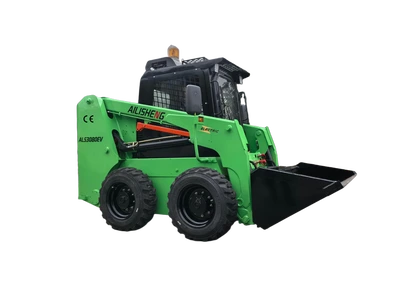
Purchasing an electric skid steer loader is an important investment for construction companies, landscaping businesses, warehouse operators, and equipment rental providers. The right machine can improve productivity, reduce operating expenses, and support cleaner operations. However, selecting the right equipment involves more than comparing prices and specifications. Buyers must also evaluate the supplier’s reliability, technical knowledge, warranty coverage, and after-sales support.
Working with a knowledgeable Electric Skid Steer Loaders Supplier can help you identify equipment that matches your workload, operating environment, and budget. Asking the right questions before purchasing allows you to understand what you are paying for, avoid unexpected costs, and make a more confident decision. Here are ten essential questions to ask before placing an order.
1. What Models Are Available for My Applications?
Start by explaining how you intend to use the electric skid steer loader. Different applications require different combinations of lifting capacity, operating weight, dimensions, hydraulic performance, and maneuverability.
For example, a warehouse operator may prioritize compact dimensions and precise movement in narrow aisles. A construction contractor may need greater lifting capacity, stronger hydraulic output, and compatibility with demanding attachments.
Ask the supplier to recommend suitable models based on your specific requirements. Request detailed specifications, including:
- Rated operating capacity and tipping load
- Machine dimensions and operating weight
- Maximum lifting height and reach
- Travel speed and ground clearance
- Hydraulic flow rate and pressure
- Compatibility with the attachments you plan to use
Compare the recommended specifications with your actual working conditions rather than choosing a machine based on size or price alone.
2. What Is the Battery Capacity and Expected Runtime?
Battery performance directly affects how long an electric skid steer loader can operate before recharging. However, the advertised runtime may differ from actual performance depending on the workload, terrain, operator behavior, and attachment requirements.
Ask the supplier about the battery’s rated capacity, usable energy, charging characteristics, and expected operating time under realistic conditions.
You should also clarify whether the quoted runtime assumes light-duty work, mixed operation, or continuous heavy loading. If possible, request performance data from applications similar to yours.
Consider these additional questions:
- What battery chemistry does the machine use?
- How does cold or hot weather affect performance?
- Can the battery be charged during scheduled breaks?
- What is the expected battery service life?
- Is battery replacement available, and what might it cost?
Reliable answers will help you determine whether one machine can complete a typical shift or whether your operation requires charging breaks, a backup machine, or a different work schedule.
3. How Long Does Charging Take?
Charging time affects daily productivity and equipment availability. A machine that meets your runtime requirements may still create operational delays if it takes too long to recharge between shifts.
Ask the supplier for charging times under different conditions, including standard charging and any supported faster charging options. Confirm whether the machine includes a charger or requires a separate purchase.
You should also verify the electrical requirements before installation. These may include supply voltage, current, connector type, circuit capacity, and any requirements for dedicated charging equipment.
If your business operates multiple shifts, ask how the supplier recommends organizing charging schedules. In some cases, charging during lunch breaks or overnight may be sufficient. High-utilization operations may need additional charging infrastructure or equipment redundancy.
Do not rely on charging speed alone. Evaluate it alongside battery capacity, daily workload, and the availability of charging points at your site.
4. What Is the Total Purchase and Ownership Cost?
The initial purchase price is only one part of the overall investment. A useful supplier should help you understand the expected costs throughout the machine’s working life.
Ask for a detailed quotation that identifies the machine price, included accessories, attachments, charger, transportation, taxes where applicable, and any commissioning fees.
You should also consider ongoing expenses such as:
- Electricity consumption
- Scheduled maintenance and inspections
- Tires, hydraulic components, and wear parts
- Battery servicing or eventual replacement
- Operator training
- Repairs and downtime
- Insurance and financing costs, where applicable
Electric skid steer loaders may reduce certain operating expenses compared with diesel machines, particularly where electricity is relatively inexpensive and maintenance requirements are lower. However, actual savings depend on utilization, energy prices, purchase cost, and local service availability.
Ask the supplier to help you estimate the total cost of ownership over a realistic period, such as five years. Use your own operating hours and local energy costs to make the comparison meaningful.
5. What Warranty Coverage Is Included?
Warranty terms can significantly affect the financial risk of buying equipment. Before committing, ask for the complete written warranty rather than relying solely on verbal assurances.
Clarify the warranty period for the entire machine and whether major components have separate coverage. The battery, electric motor, controller, hydraulic system, and charger may have different warranty conditions.
Important details include:
- Warranty duration and any operating-hour limits
- Parts and labor coverage
- Battery capacity-retention requirements, if applicable
- Exclusions for misuse, overloading, or unauthorized repairs
- Procedures for submitting a warranty claim
- Responsibility for transportation and repair costs
Ask what happens if a covered fault prevents the machine from operating. Understanding the claims process in advance can help you estimate potential downtime and avoid disagreements later.
Always review the written terms carefully, including any maintenance requirements that must be followed to preserve coverage.
6. Are Spare Parts Readily Available?
Equipment downtime can become expensive when a replacement component is difficult to obtain. Before purchasing, determine whether the supplier maintains spare parts locally, ships them from a regional warehouse, or sources them directly from the manufacturer.
Ask about the availability of common service items and critical electrical components. You should also request typical delivery estimates for routine parts and less common components.
Find out whether the supplier provides a parts catalog, maintenance documentation, and clear procedures for ordering replacements. For businesses that operate equipment intensively, it may be worthwhile to keep frequently used consumables on site.
A supplier with a practical parts-support system can help reduce downtime and simplify long-term maintenance planning.
7. What After-Sales Technical Support Do You Provide?
Even a well-built electric skid steer loader may require troubleshooting, adjustments, or repairs during its service life. Technical support becomes particularly important when the equipment uses battery-management systems, electronic controls, electric motors, and specialized charging components.
Ask whether the supplier provides remote troubleshooting, on-site service, maintenance guidance, and operator assistance. Confirm the normal response time for technical inquiries and whether support is available during your operating hours.
You should also establish whether technicians are trained to diagnose electrical faults safely and whether they have access to the necessary diagnostic tools.
If the supplier is located overseas, clarify how technical assistance will be delivered in your country. Determine whether local service partners are available and how warranty repairs are coordinated.
A competitive price may be less attractive if dependable technical assistance is difficult to obtain.
8. Which Attachments Are Compatible With the Machine?
Attachments can make an electric skid steer loader useful across a wide range of tasks, from moving pallets and handling soil to clearing debris and maintaining outdoor areas.
However, compatibility should never be assumed. Ask the supplier which attachments are approved for the specific model and whether the machine has the hydraulic capacity and electrical connections required for your intended equipment.
Depending on the application, compatible attachments may include:
- General-purpose buckets
- Pallet forks
- Grapples
- Augers
- Sweepers
- Snow-removal equipment
- Other approved hydraulic tools
Verify attachment mounting standards, hydraulic flow requirements, pressure limits, and any additional power needs. Also ask whether installing a particular attachment affects the rated operating capacity or machine stability.
If you expect to expand your operations later, choosing a model with suitable attachment compatibility may provide greater long-term flexibility.
9. Can You Provide a Demonstration or Performance Evidence?
Product brochures are useful, but they cannot fully demonstrate how a machine performs in your working environment. Whenever possible, request a live demonstration, trial, or detailed video showing the model performing tasks similar to those in your operation.
During an evaluation, pay attention to maneuverability, visibility, lifting performance, control responsiveness, noise levels, and operator comfort.
If a physical demonstration is unavailable, ask for documented test results, technical specifications, and references from customers using the same model. Be cautious about relying on performance claims that do not identify the operating conditions under which they were measured.
You should also check how the machine behaves under a representative workload. A loader intended for indoor material handling, for example, should be evaluated for movement in confined spaces and its ability to complete the required tasks without frequent charging interruptions.
A practical assessment can reveal limitations that are not obvious from a specification sheet.
10. What Are the Delivery Terms and Training Arrangements?
The final question concerns what happens after you place your order. A machine may meet every technical requirement, but unclear delivery arrangements or insufficient training can complicate its introduction into daily operations.
Ask the supplier to confirm the estimated delivery schedule, shipping method, delivery location, payment milestones, and responsibilities for import documentation or customs clearance where relevant.
Before finalizing the order, clarify whether the following are included:
- Operator training and safety instructions
- Initial inspection or commissioning
- Operation and maintenance manuals
- Charging and electrical safety guidance
- Recommended maintenance schedules
- Warranty registration assistance
- Technical support after delivery
If the equipment will be imported, confirm the applicable shipping terms and who is responsible for freight, insurance, customs charges, and local transportation. Make sure all agreed arrangements are documented in the purchase contract.
Clear delivery and training arrangements can help your team begin using the equipment safely and efficiently.
How to Compare Electric Skid Steer Loader Suppliers
After speaking with several suppliers, organize their responses so you can compare them objectively. The following checklist can help you evaluate more than the initial quotation.
| Evaluation factor | What to verify |
|---|---|
| Machine suitability | Capacity, dimensions, performance, and application requirements |
| Battery performance | Usable capacity, realistic runtime, and expected service life |
| Charging | Charging duration, electrical requirements, and charger inclusion |
| Total ownership cost | Purchase price, energy, maintenance, and replacement parts |
| Warranty | Coverage, exclusions, and claim procedures |
| Parts availability | Stock levels, shipping times, and ordering process |
| Technical support | Service access, response times, and repair capabilities |
| Attachments | Compatibility, hydraulic requirements, and safety limits |
| Performance evidence | Demonstrations, test data, or customer references |
| Delivery and training | Schedule, documentation, commissioning, and operator instruction |
Do not automatically select the supplier offering the lowest price. A slightly more expensive option may provide better value if it offers suitable equipment, dependable support, accessible parts, and clearer warranty protection.
Common Mistakes to Avoid When Choosing a Supplier
Even experienced equipment buyers can overlook important details when comparing electric skid steer loaders. Avoid these common mistakes:
Focusing only on the purchase price: A lower initial cost does not necessarily translate into lower lifetime expenses. Compare the complete ownership cost.
Accepting advertised runtime without context: Ask how battery performance was measured and whether the test conditions reflect your workload.
Ignoring charging infrastructure: Confirm that your facility can support the machine’s charging requirements before delivery.
Overlooking local service access: Determine how quickly the supplier can provide parts, technical advice, and warranty assistance.
Assuming every attachment will fit: Verify mounting, hydraulic specifications, power requirements, and rated capacity for each attachment.
Relying on verbal promises: Put important specifications, warranty conditions, delivery commitments, and support arrangements in writing.
Final Thoughts
Choosing the right electric skid steer loader requires careful consideration of machine performance, battery capacity, charging needs, ownership costs, and long-term support. Asking these ten questions before buying helps you evaluate suppliers more thoroughly and identify potential problems before they affect your operations.
The best supplier is not necessarily the one with the lowest quotation. It is the one that can recommend equipment suited to your applications, provide clear technical information, explain warranty conditions, and support the machine throughout its working life.
By comparing suppliers against consistent criteria and documenting their commitments, you can make a more informed investment and select an electric skid steer loader that supports your productivity goals for years to come.