
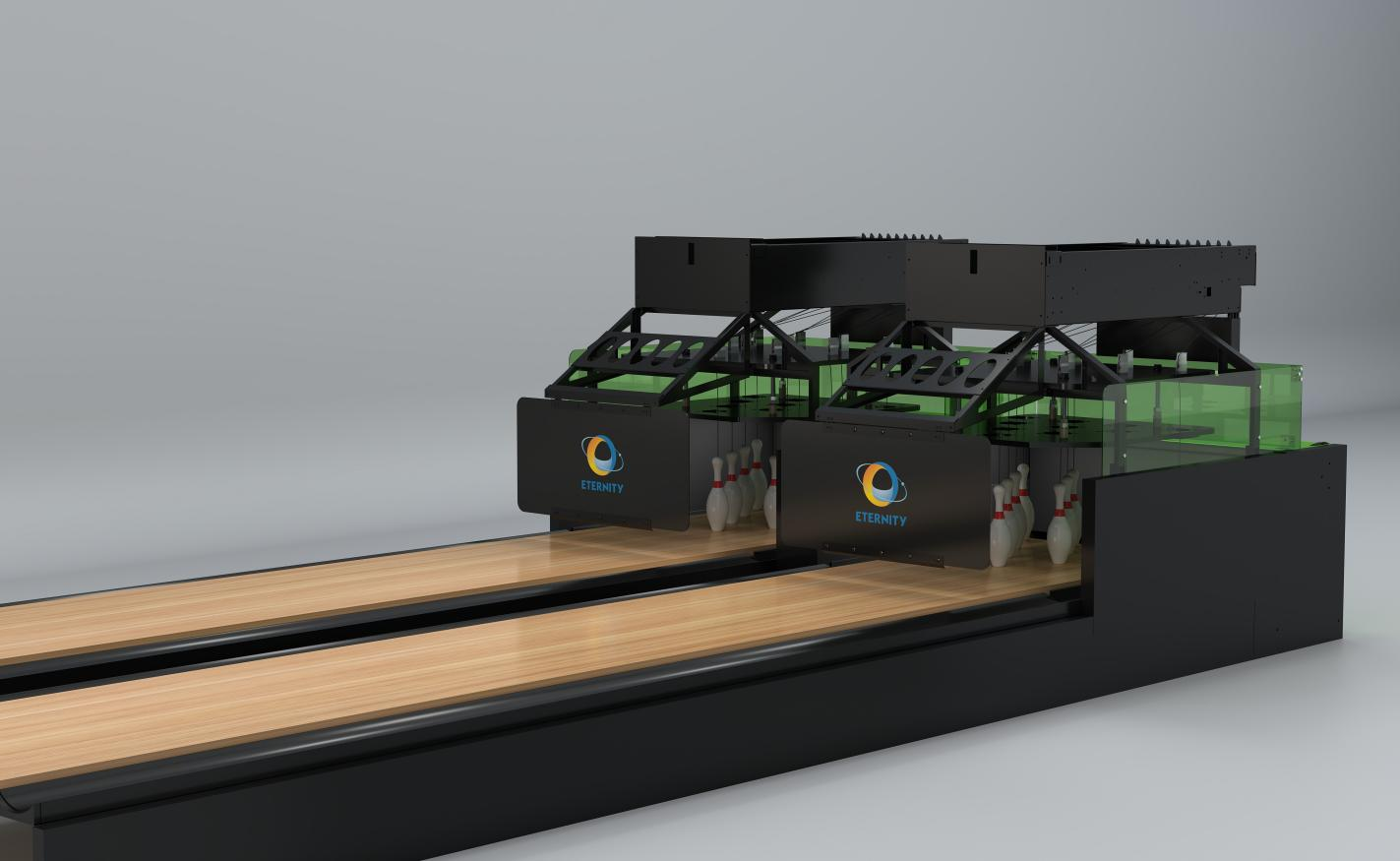
Bowling equipment is subject to repeated use, mechanical movement, impact, and routine wear. For bowling centers and other facilities, choosing equipment that can be maintained efficiently is just as important as considering its initial purchase price.
When evaluating a Bowling Equipment Manufacturer, buyers should consider maintenance requirements alongside product quality, compatibility, durability, and technical support. A maintenance-friendly design can make routine servicing more manageable and help reduce avoidable operational interruptions.
Understand Routine Maintenance Requirements
Different types of bowling equipment require different maintenance procedures. Lanes, pinsetters, ball returns, scoring systems, and other components may each have their own inspection, cleaning, adjustment, and replacement requirements.
Before purchasing, ask the manufacturer for recommended maintenance schedules and procedures. This information can help facility operators estimate the time, labor, and resources needed to keep equipment operating properly.
Consider Equipment Accessibility
Maintenance becomes easier when important components can be accessed without extensive disassembly. Technicians may need to inspect belts, motors, sensors, electrical connections, bearings, and other parts during routine servicing.
When comparing equipment, consider where service points are located and whether technicians can safely reach them. Good access can reduce the time required for inspections and repairs.
Check Replacement Part Availability
Even durable equipment will eventually require replacement components. Parts such as belts, bearings, sensors, fasteners, electronic components, and other wear items may need to be replaced during the equipment’s service life.
Ask manufacturers whether replacement parts are readily available and how long they are typically supported. Long-term parts availability can be particularly important for facilities that plan to operate equipment for many years.
Review Maintenance Documentation
Clear documentation can help technicians understand how equipment should be inspected, cleaned, adjusted, and repaired. Manuals, diagrams, parts lists, and troubleshooting guides can all be useful.
Before purchasing, confirm what technical documentation is included with the equipment. Well-organized information can also make staff training easier.
Evaluate Cleaning Requirements
Bowling facilities need regular cleaning to maintain equipment and playing areas. However, different materials and finishes may require specific cleaning methods or products.
Ask whether manufacturers provide recommended cleaning procedures and whether certain chemicals or tools should be avoided. Following appropriate procedures can help prevent unnecessary surface damage.
Consider Wear and High-Use Components
Some components naturally experience more wear than others. Pinsetter mechanisms, ball return systems, lane-related components, and other moving parts can require regular inspection depending on usage.
Manufacturers should be able to identify common wear points and recommend appropriate inspection or replacement intervals. This information can help operators plan preventive maintenance rather than relying only on emergency repairs.
Look at Preventive Maintenance Requirements
Preventive maintenance involves inspecting and servicing equipment before a failure occurs. Regular checks can help identify worn components, loose connections, unusual noise, or other potential problems.
A maintenance schedule may include:
- Cleaning and lubrication where appropriate
- Inspection of mechanical components
- Checking electrical connections
- Monitoring sensors and controls
- Inspecting lane-related equipment
- Replacing worn components according to recommendations
The exact schedule should follow the manufacturer’s instructions and the facility’s operating conditions.
Consider Technician Training
Some bowling equipment requires specialized knowledge for installation, adjustment, or repair. Facility operators should determine whether in-house staff can handle routine maintenance or whether external technicians will be needed.
Ask about available training materials, technical support, and service resources. Understanding these requirements before purchase can help businesses plan their maintenance budget.
Review Warranty Conditions
Warranty coverage can affect maintenance decisions. Buyers should understand which repairs and replacement components are covered and which maintenance responsibilities remain with the facility.
Pay attention to required maintenance procedures and documentation. Some warranty conditions may require specific servicing practices, so these details should be reviewed before installation.
Consider Downtime and Repair Time
Equipment failures can interrupt bowling operations, particularly in busy facilities. When evaluating products, consider how quickly common problems can be diagnosed and resolved.
Equipment with accessible service points, available replacement parts, and clear troubleshooting information may be easier to return to operation after a problem occurs.
Evaluate Electronic Equipment
Modern bowling centers often use electronic scoring, sensors, control systems, displays, and networking equipment. These components require different maintenance considerations from mechanical equipment.
Ask about software support, firmware updates, replacement electronics, system diagnostics, and compatibility with other facility technology. Long-term technical support can be important when electronic systems remain in service for several years.
Plan for Long-Term Operating Costs
Maintenance expenses can contribute significantly to the total cost of owning bowling equipment. Labor, replacement parts, cleaning supplies, specialist services, and downtime should all be considered when comparing options.
A product with a higher initial cost may have different maintenance requirements from a lower-cost alternative. Evaluating the complete ownership picture provides a more useful basis for comparison.
Ask Manufacturers the Right Questions
Before selecting equipment, facility operators should ask detailed maintenance-related questions, such as:
- What routine maintenance is required?
- Which components are considered wear items?
- How often should inspections be performed?
- Are replacement parts readily available?
- What technical documentation is provided?
- Is technician training available?
- What support is offered after installation?
- What maintenance is required to maintain the warranty?
Clear answers can help buyers understand what ongoing equipment ownership will involve.
Final Thoughts
Maintenance should be considered from the beginning when selecting bowling equipment. Accessibility, replacement parts, documentation, cleaning procedures, preventive servicing, technical support, and warranty requirements can all influence the long-term practicality of a product.
By evaluating these factors alongside performance and purchase price, bowling facility operators can better understand the resources required to maintain their equipment and plan for reliable operation over its expected service life.