
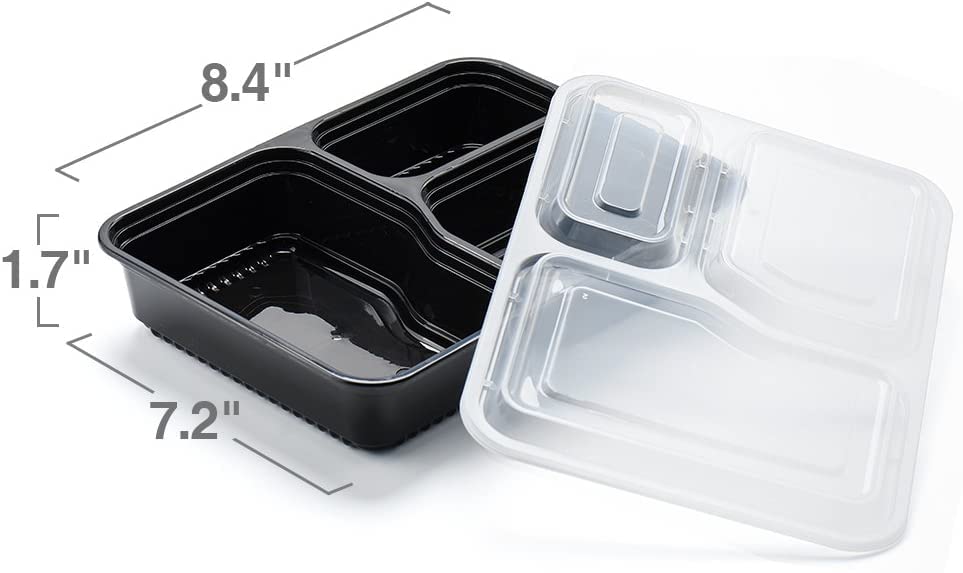
Foodservice businesses depend on packaging that can keep pace with daily orders. Restaurants, cafés, catering companies, takeaway operations, bakeries, and prepared-food businesses may use hundreds or thousands of containers regularly, making dependable packaging an important part of their operations.
Purchasing Wholesale Disposable Food Containers can help businesses organize their packaging supply and simplify routine procurement. LRpacking is one supplier in the disposable food packaging sector, while the benefits of wholesale purchasing can apply across many types of foodservice operations.
Maintaining a Consistent Packaging Supply
Running short of food containers can create immediate operational problems. Staff may need to change packaging formats, delay orders, or make emergency purchases at higher costs.
Wholesale purchasing allows businesses to maintain a larger inventory and reduce the frequency of individual orders. With appropriate inventory planning, packaging can remain available during normal periods of demand.
Supporting High-Volume Food Preparation
Busy foodservice operations need packaging that can be used quickly and consistently. Standardized containers can simplify filling, closing, labeling, and order preparation.
When staff work with familiar container sizes and lid systems, packaging procedures can become more organized. This is particularly useful for businesses handling large numbers of takeaway or delivery orders.
Improving Inventory Planning
Wholesale purchasing gives businesses an opportunity to plan packaging consumption around actual usage patterns.
A restaurant, for example, can track average weekly container usage and establish reorder points based on expected demand. This approach can reduce the likelihood of both stock shortages and excessive inventory.
Accommodating Different Food Products
Foodservice businesses often serve a wide range of products, from appetizers and salads to main courses, desserts, and sauces. Different foods may require different container capacities and designs.
A varied packaging range allows businesses to match container size with portion requirements. This can also improve presentation and reduce unnecessary empty space inside the package.
Supporting Takeaway and Delivery Orders
The growth of takeaway and delivery services has increased the importance of practical food packaging. Containers need to remain functional during handling and transportation.
Secure lids, appropriate container strength, and suitable dimensions can help protect food during delivery. Businesses should select packaging according to the type of food being transported and the expected delivery conditions.
Helping Control Packaging Costs
Wholesale purchasing can make packaging costs easier to manage by allowing businesses to plan purchases around larger quantities.
However, the lowest unit price is not the only factor to consider. Shipping, storage, minimum order quantities, product quality, and potential waste can all affect the actual cost of packaging.
A useful purchasing strategy considers the total cost rather than focusing solely on the price per container.
Making Portion Management Easier
Different container capacities can support standardized portion sizes. This can be useful for restaurants and prepared-food businesses that want consistency across orders.
Using appropriately sized containers may also help prevent excessive empty space or overfilling. The container should provide enough room for the food while remaining practical for storage and transportation.
Simplifying Food Packaging Operations
Standardized packaging can make routine tasks easier for employees. When containers, lids, labels, and storage arrangements follow a consistent system, staff can spend less time determining which packaging format to use.
For businesses with multiple locations, standardized packaging can also help maintain similar packing procedures across different branches.
Supporting Food Presentation
Packaging is not only functional; it can also influence how customers perceive a takeaway or delivered meal.
Clear containers may allow certain foods to remain visible, while other designs can provide a clean and uniform presentation. The appropriate choice depends on the type of food and the business’s packaging objectives.
Providing Options for Different Temperature Conditions
Foodservice businesses may handle foods at different temperatures. Chilled salads, room-temperature bakery products, and hot prepared meals can have different packaging requirements.
Before purchasing in bulk, businesses should verify that the selected containers are suitable for their intended temperature conditions. Testing products with actual foods can help identify potential performance issues.
Managing Storage Efficiently
Wholesale orders require businesses to think about warehouse or back-room storage. Disposable containers are lightweight but can occupy significant space when purchased in large quantities.
Stackable products can help improve storage efficiency. Businesses should also consider carton dimensions and shipment quantities when planning their storage area.
Supporting Business Growth
As a foodservice business grows, packaging demand often grows with it. A supplier capable of handling larger recurring orders can help businesses maintain packaging availability as order volumes increase.
Planning future requirements in advance can also make procurement more predictable. Businesses can share expected demand with suppliers to support production and delivery planning.
Considering Custom Packaging Needs
Some foodservice businesses require more than standard containers. Custom sizes, colors, shapes, or printing may be useful for specific products or branding requirements.
Customization should be evaluated carefully because it can involve tooling, minimum order quantities, additional costs, and longer lead times. Businesses should confirm these details before committing to a customized wholesale order.
Supporting More Organized Procurement
A reliable wholesale purchasing process can reduce the administrative work associated with frequent small packaging orders.
Businesses can establish regular purchasing schedules, track container consumption, and coordinate orders with expected food production. This creates a more structured approach to packaging procurement.
Choosing Containers Based on Actual Use
Wholesale purchasing should begin with an understanding of operational requirements. Before selecting products, consider the food types, serving sizes, transportation methods, storage conditions, and expected monthly usage.
It is also useful to request samples and test containers before committing to a large order. Practical testing can reveal differences in lid fit, strength, leakage resistance, and handling performance.
Conclusion
Wholesale disposable food containers can support foodservice businesses by helping maintain packaging availability, simplify procurement, manage high-volume operations, and accommodate different food products.
The benefits depend on selecting appropriate products and managing inventory effectively. By considering container size, material, lid performance, storage requirements, total cost, and supplier capacity, foodservice businesses can create a packaging system that supports their everyday operations and future demand.