
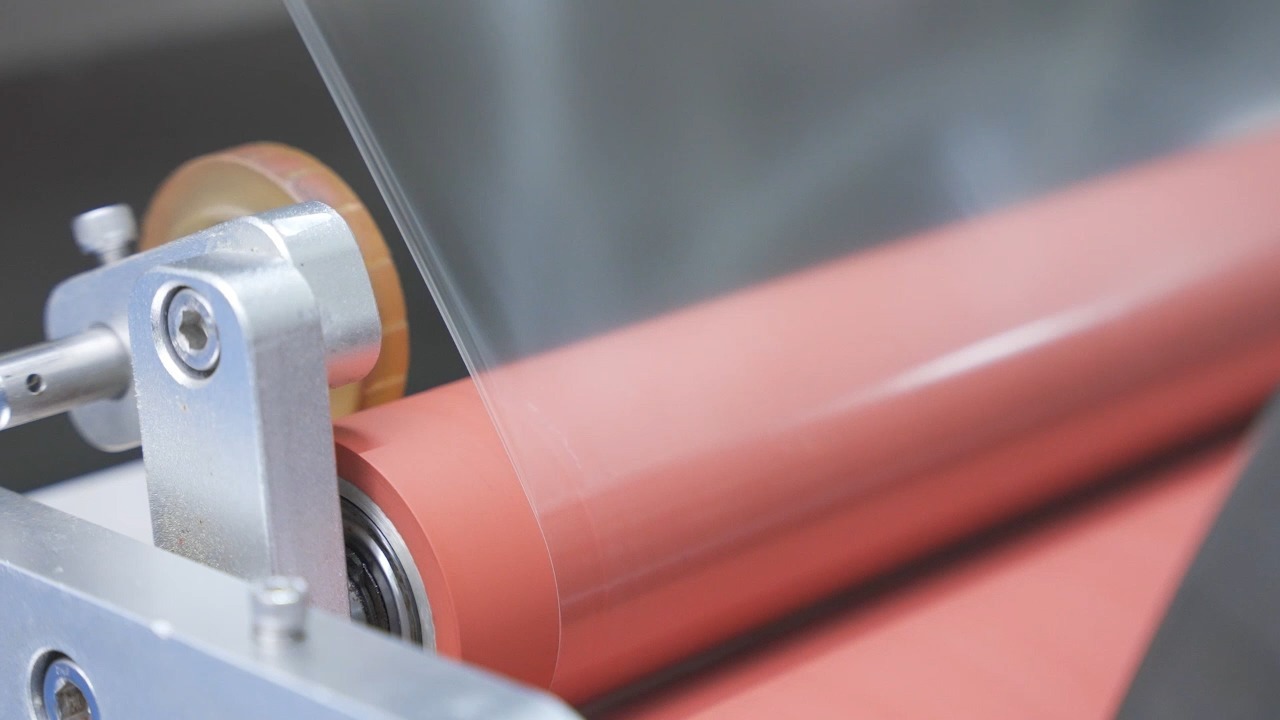
Investing in automated packaging equipment is an important decision for manufacturers because the machine must fit the product, production volume, packaging material, and existing workflow. Water-soluble film adds specific requirements that should be evaluated before equipment is selected.
A Water Soluble Film Packaging Machine can automate processes such as film feeding, pouch forming, product dosing, and sealing. Manufacturers should understand these functions and evaluate how they match their operational requirements before making a purchasing decision.
Understand the Product Being Packaged
The first consideration is the physical and chemical behavior of the product. Liquids, gels, powders, and granules can require different filling and handling systems.
Important product characteristics may include:
- Viscosity and flow behavior
- Bulk density
- Particle size for powders
- Moisture content
- Required filling volume
- Product temperature
- Compatibility with the selected film
Understanding these properties helps determine the appropriate machine configuration.
Define Production Requirements
Manufacturers should establish realistic production targets before comparing machines. Expected output should account for pouch size, filling volume, product characteristics, and planned operating hours.
It is also useful to distinguish between theoretical machine speed and practical production output. Changeovers, cleaning, material replacement, maintenance, and quality checks can all influence actual throughput.
Evaluate Film Compatibility
Not all water-soluble films behave identically. Film thickness, composition, dimensions, dissolution characteristics, and sensitivity to environmental conditions can influence machine performance.
Before investing, manufacturers should confirm that the equipment is compatible with the specific film they intend to use. Testing the actual film under representative production conditions can provide useful information.
Consider Environmental Conditions
Humidity and temperature can affect water-soluble film handling. A production facility may therefore need appropriate environmental controls around film storage and packaging operations.
Manufacturers should consider whether the existing facility provides suitable conditions or whether additional environmental management will be necessary.
Examine the Filling System
Filling accuracy has a direct effect on package consistency and material usage. The appropriate dosing technology depends heavily on the product.
Liquid products may require pumps and controlled filling nozzles, while powders can require augers or other feeding mechanisms. The system should maintain accurate dosing without unnecessarily slowing the packaging cycle.
Review Pouch Formats
Before selecting equipment, determine which pouch shapes and sizes the production line will need. Some operations may require a single standard format, while others may need multiple sizes or multi-compartment packages.
Future packaging requirements should also be considered. A machine that can accommodate reasonable format changes may provide greater operational flexibility.
Assess Automation Requirements
Manufacturers should decide how much automation is appropriate for their production environment. Options may include automated film feeding, dosing, sealing, fault detection, and communication with upstream or downstream equipment.
The goal should be to select an automation level that supports the required workflow without creating unnecessary complexity.
Check Production Line Integration
A packaging machine rarely operates in isolation. It may need to communicate with conveyors, product preparation systems, inspection equipment, secondary packaging machinery, or centralized control systems.
Before purchase, manufacturers should examine available interfaces, communication protocols, line speeds, product transfer methods, and physical connection requirements.
Investigate Maintenance Requirements
Maintenance requirements should be considered alongside purchase price. Operators and maintenance teams should understand which components require routine inspection, cleaning, lubrication, calibration, or replacement.
Easy access to commonly serviced components can reduce the time required for routine maintenance and troubleshooting.
Examine Cleaning Procedures
Products can leave residue around filling nozzles, forming areas, or sealing components. The machine should support cleaning procedures appropriate for the product and production environment.
Manufacturers should ask how frequently cleaning is required and whether specific tools, procedures, or disassembly steps are necessary.
Consider Operator Training
Automated machinery still requires trained personnel. Operators need to understand machine controls, film loading, product setup, alarm conditions, cleaning procedures, and basic troubleshooting.
Training requirements should be discussed before installation so the production team can prepare for commissioning and routine operation.
Review Safety Features
Safety should be evaluated as part of the equipment selection process. Relevant features can include guarding, emergency-stop systems, interlocks, controlled access points, and appropriate electrical protection.
The machine should also fit the facility’s existing safety procedures and applicable workplace requirements.
Analyze Total Cost of Ownership
The initial purchase price is only one part of the investment. Manufacturers should also consider:
- Film consumption
- Energy requirements
- Routine maintenance
- Replacement parts
- Labor requirements
- Cleaning time
- Downtime
- Changeover time
- Operator training
- Integration costs
Looking at total operating costs provides a more complete picture of the investment.
Request Testing and Validation
Testing before final installation can help identify potential compatibility issues. Manufacturers should provide representative film and product samples when possible.
Testing can evaluate filling accuracy, pouch formation, sealing quality, production speed, and overall machine stability under realistic conditions.
Ask About Technical Support
Technical support can become important during installation, commissioning, troubleshooting, and future upgrades. Manufacturers should clarify what support is available and how spare parts, service, documentation, and training are handled.
Clear technical documentation can also make routine operation and maintenance easier for production teams.
Plan for Future Requirements
Production needs can change over time. New products, higher output targets, additional pouch sizes, or greater automation may become necessary as the business develops.
Considering future requirements during equipment selection can help manufacturers avoid choosing a system that is difficult to adapt later.
Conclusion
Investing in water-soluble film packaging equipment requires more than comparing machine speeds or purchase prices. Manufacturers should evaluate product characteristics, film compatibility, production requirements, environmental conditions, filling accuracy, automation, maintenance, safety, and integration needs.
A careful evaluation process helps ensure that the selected equipment fits the actual production environment and supports consistent packaging operations over the long term.