

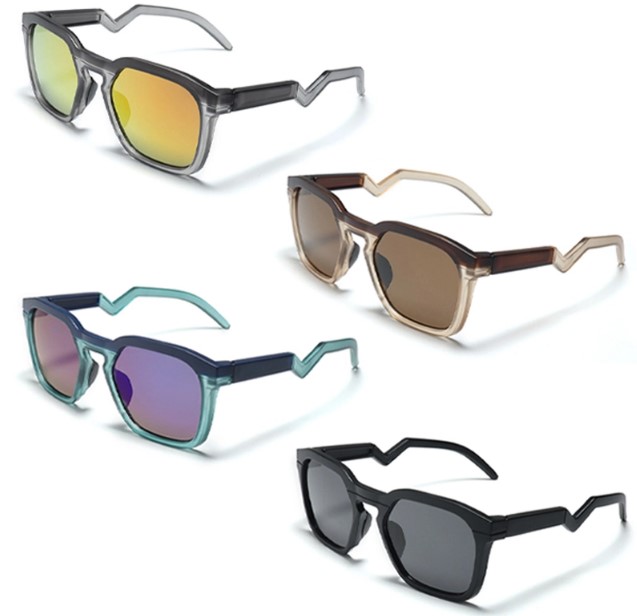
A successful men’s eyewear collection needs more than a large number of products. Retailers need a thoughtful mix of frame shapes, materials, colors, lens options, and price points that gives customers meaningful choices without creating unnecessary inventory. A balanced range also makes merchandising easier and helps stores appeal to different buying preferences.
Retailers planning a new collection can use wholesale men sunglasses to introduce multiple styles while keeping purchasing decisions organized. The goal should focus on creating variety with a clear purpose rather than filling shelves with similar frames.
Start With Your Target Customer
The first step involves understanding who will buy the sunglasses. A retailer serving young fashion-conscious shoppers may need more contemporary frames, while a store focused on everyday accessories may benefit from classic shapes and neutral colors.
Review existing sales data when available. Look at popular frame shapes, customer price preferences, frequently requested colors, and products that receive the most attention in-store or online.
Create a Mix of Frame Shapes
Frame shape plays a major role in product variety. Different customers have different preferences, and some shoppers specifically look for frames that complement their facial features.
A balanced collection can include:
- Aviator frames for a classic appearance
- Square and rectangular frames for a structured look
- Round frames for softer styling
- Wayfarer-inspired designs for everyday wear
- Wraparound frames for active customers
- Geometric styles for fashion-focused shoppers
Retailers do not need equal quantities of every shape. Allocate more inventory to proven sellers and use smaller quantities to test less familiar designs.
Balance Classic and Modern Styles
Classic sunglasses provide stability within a product range. Black aviators, simple rectangular frames, and neutral tortoiseshell designs can appeal to customers who want versatile eyewear.
Modern styles add freshness to the collection. Transparent frames, unusual lens colors, slimmer profiles, and contemporary geometric shapes can attract shoppers who want something different.
Combining both categories prevents the range from becoming too traditional or too dependent on short-term trends.
Offer Different Frame Materials
Material variety can also help retailers create a more complete collection. Acetate, plastic, metal, and lightweight synthetic materials each provide different visual and functional characteristics.
Metal frames can offer a sleek appearance, while thicker acetate designs may create a stronger statement. Lightweight materials can appeal to customers who prioritize comfort during extended wear.
The right material mix depends on the retailer’s customer base, price structure, and preferred product positioning.
Choose a Practical Color Strategy
Too many colors can make inventory difficult to manage. Retailers can start with dependable shades before introducing more distinctive options.
Black, brown, gray, tortoiseshell, silver, and other neutral finishes can form the foundation of a men’s sunglasses range. A smaller selection of blue, green, transparent, or other fashion-focused colors can add variety.
This approach gives customers enough choice without requiring retailers to purchase every frame in numerous color combinations.
Include Different Lens Options
Lens selection provides another way to diversify a collection. Standard tinted lenses work well for everyday sunglasses, while polarized lenses may appeal to customers who spend considerable time outdoors or behind the wheel.
Retailers can also consider different lens colors and finishes based on their market. The important point involves offering useful differences rather than adding variations that have little relevance to customers.
Build Multiple Price Points
A balanced collection should account for different customer budgets. One price level may exclude shoppers who want affordable eyewear, while focusing only on low-cost products may limit opportunities to serve customers seeking higher-value options.
Retailers can divide inventory into entry-level, mid-range, and premium selections. Each tier should have a clear reason for its pricing, such as materials, construction, lens features, or customization.
Decide How Much Inventory Each Style Needs
Not every product deserves the same order quantity. Core styles with proven demand can receive larger allocations, while experimental or trend-driven designs can start with smaller quantities.
This strategy helps retailers manage inventory risk. Sales results can then guide future purchasing decisions and show which products deserve more shelf space.
Consider Seasonal Demand
Sunglasses often experience stronger demand during certain times of the year. Retailers should consider local weather, travel seasons, holidays, and promotional periods when planning inventory.
Seasonal planning does not mean replacing the entire collection several times a year. A stable core range can remain available while selected seasonal styles create additional interest.
Make Merchandising Part of the Plan
A balanced product range should also look organized when displayed. Group sunglasses by shape, color, price range, or lifestyle category so customers can compare products easily.
For example, retailers can create separate areas for classic frames, everyday styles, sport sunglasses, and fashion-forward designs. Clear organization makes a diverse collection feel intentional rather than crowded.
Use Sales Data to Refine the Range
Product performance should influence future buying decisions. Track which styles sell quickly, which products remain in stock for longer periods, and which colors generate the most customer interest.
Pay attention to more than total sales. Profit margins, repeat purchases, customer feedback, and seasonal performance can also reveal which products deserve continued investment.
Work With a Supplier That Offers Variety
Supplier selection affects how easily retailers can maintain a balanced collection. A supplier with different frame styles, materials, colors, and lens options gives buyers greater flexibility during product planning.
Eugenia Eyewear provides men’s eyewear options that retailers can explore when developing a varied product range. Buyers can review available designs and select products that align with their own customers and brand positioning.
Avoid Common Product Range Mistakes
Retailers can weaken an otherwise promising collection by purchasing too many similar products. Ten nearly identical black frames do not necessarily provide ten meaningful choices.
Common mistakes include:
- Relying too heavily on one frame shape
- Ordering excessive quantities of untested designs
- Ignoring different customer budgets
- Choosing colors without considering demand
- Following trends without maintaining classic options
- Overlooking lens features that customers value
A clear purchasing strategy helps prevent these problems and keeps inventory more manageable.
Create a Collection That Works Together
The strongest product ranges combine variety with consistency. Every style should have a role within the collection, whether it serves everyday shoppers, active customers, fashion-focused buyers, or customers seeking premium features.
Eugenia Eyewear can be considered as part of this sourcing process when retailers compare men’s sunglasses for their collections. The final selection should reflect the retailer’s customers, sales history, budget, and available display space.
Final Thoughts
Building a balanced men’s sunglasses range requires careful planning rather than simply ordering as many styles as possible. Retailers should combine dependable frame shapes with selected trend-focused designs, offer practical color and lens choices, and maintain clear price tiers.
Regularly reviewing sales performance can make the collection even stronger over time. By combining customer insights with thoughtful sourcing, retailers can create a men’s sunglasses range that offers useful variety while keeping inventory focused and commercially practical.