

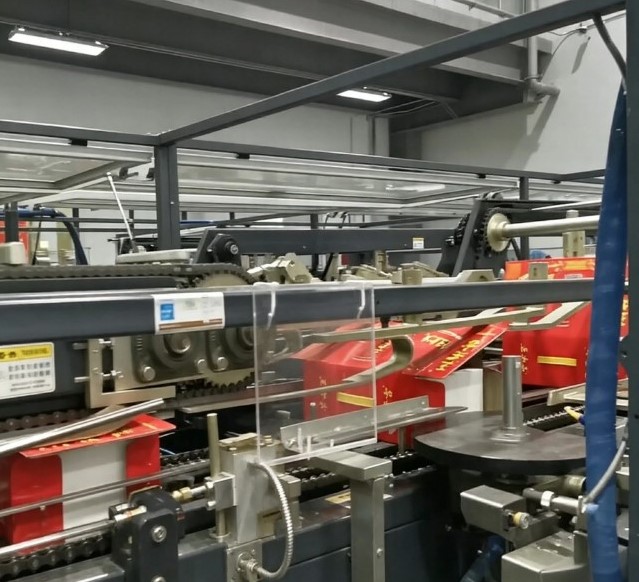
The cost of packaging equipment depends on more than the machine itself. Production volume, package dimensions, automation level, materials, and line configuration all influence the final investment. Understanding these factors helps manufacturers compare equipment based on actual operating needs rather than price alone.
A wrap around case packer may have a different price depending on its specifications, configuration, and required production capacity. A machine designed for high-speed production with automated adjustments and integrated controls may require a larger investment than a basic system designed for lower-volume operations.
Production Speed and Capacity
Production speed has a direct effect on equipment cost. Manufacturers that need to package thousands of products per hour typically require more advanced machinery than facilities with lower output requirements.
Higher-speed systems often require stronger mechanical components, faster product handling, advanced controls, and carefully designed feeding systems. These features add to the overall equipment investment.
Before comparing prices, determine the required cases per minute or cases per hour. Buying equipment with significantly more capacity than necessary may increase the initial cost without providing a practical benefit.
Product Type and Package Configuration
The products entering the case packer also influence the machine configuration. Bottles, cans, cartons, containers, and multipacks may require different feeding and grouping arrangements.
Products with unusual shapes or dimensions can require additional handling components. Fragile or unstable products may also need controlled movement to prevent damage during case loading.
Manufacturers should provide accurate product specifications when requesting a machine quotation. This allows equipment suppliers to recommend a configuration that matches the actual application.
Case Size and Case Style
Case dimensions play an important role in machine design. A system that handles several case sizes may require additional adjustment features compared with equipment dedicated to one standard format.
The type of corrugated case also matters. Different board dimensions, flap arrangements, and case designs can influence the folding and closing mechanisms required.
A wider range of case formats may increase equipment complexity. However, that flexibility can offer long-term value for manufacturers that regularly introduce new products or package configurations.
Level of Automation
Automation level represents another major cost factor. A basic machine may require more manual intervention, while a highly automated system may include automatic product handling, case feeding, adjustments, changeovers, and monitoring.
Automated functions can increase the purchase price, yet they may reduce labor requirements and improve production consistency over time.
The right approach depends on the facility’s production volume and workforce requirements. Manufacturers should evaluate the total operating cost instead of focusing only on the initial equipment price.
Changeover Requirements
Facilities that run multiple products need to consider how frequently operators must change machine settings. Frequent changeovers can justify investment in faster and more convenient adjustment systems.
Manual adjustment mechanisms may suit operations with limited product variation. Automatic or tool-free adjustments may offer greater value for facilities that switch between formats several times during a production shift.
The number of products, case sizes, and packaging configurations should therefore form part of the initial machine evaluation.
Material and Case Handling Requirements
Corrugated board quality and case construction can affect the machine configuration. Different board grades may behave differently during forming, folding, and closing.
The packaging line also needs to handle cases consistently at the required production rate. Feeding and forming components must match the characteristics of the selected packaging material.
Discussing board specifications with the equipment supplier helps prevent compatibility problems after installation.
Integration With Existing Equipment
A case packer rarely operates alone in a modern production facility. It may connect with conveyors, product fillers, labeling equipment, inspection systems, palletizers, wrapping machines, or other downstream equipment.
Integration requirements can affect the total project cost. Additional conveyors, sensors, control interfaces, communication systems, and safety equipment may become necessary.
Techflow Pack considers the broader packaging process when evaluating equipment requirements. A machine that fits smoothly into the existing line may provide better overall value than equipment that requires extensive modifications.
Controls and Operator Interface
Modern packaging equipment may include programmable controls, touchscreen interfaces, sensors, alarms, and production monitoring features. These systems improve visibility and help operators manage machine functions.
More sophisticated controls may increase the initial investment. They can also simplify troubleshooting and provide better control over production parameters.
Manufacturers should identify which control functions actually support their operation. Paying for unnecessary features may increase costs without improving productivity.
Machine Construction and Component Quality
The construction of the equipment also contributes to its price. Heavy-duty frames, precision components, reliable drive systems, and durable handling mechanisms may increase the initial investment.
Component quality matters because packaging equipment often operates for extended production periods. A lower purchase price may not provide the best value if the machine requires frequent maintenance or replacement parts.
For this reason, buyers should consider expected service life, maintenance requirements, and component availability alongside the initial quotation.
Installation and Commissioning
The machine price may not represent the complete project investment. Installation, commissioning, operator training, transportation, and line modifications can add to the overall cost.
The amount of installation work depends on the machine configuration and the condition of the existing production line. A standalone installation may have different requirements from a fully integrated packaging system.
Requesting a complete project estimate helps manufacturers understand the expected investment before making a purchasing decision.
Maintenance and Operating Costs
Purchase price represents only one part of the financial picture. Ongoing maintenance, electricity consumption, spare parts, labor, and downtime also contribute to the total cost of ownership.
A machine with accessible components and straightforward maintenance procedures may reduce service time. Reliable equipment can also help limit production interruptions.
Manufacturers should ask suppliers about routine maintenance schedules, recommended spare parts, and expected service requirements during the evaluation process.
Customization and Special Features
Some packaging applications require customized equipment. Special product dimensions, unusual case formats, high-speed requirements, or specific line layouts may require engineering modifications.
Customization can increase development and manufacturing costs. However, it may provide a better fit for a production environment than forcing standard equipment into an unsuitable application.
The key question involves determining which custom features solve genuine production challenges and which features offer little practical value.
How to Compare Equipment Prices Properly
Comparing two machines solely by their quoted prices may produce an inaccurate conclusion. Equipment with a higher purchase price may include automation, integration, training, and other features that another quotation excludes.
When reviewing quotations, consider:
- Production capacity
- Supported product sizes
- Case formats
- Automation features
- Changeover method
- Integration requirements
- Installation services
- Operator training
- Maintenance needs
- Spare parts and technical support
This approach gives manufacturers a clearer picture of the actual value offered by each system.
Finding the Right Balance Between Cost and Performance
The lowest-priced machine may not always provide the lowest overall cost. Equipment that struggles with production demands can create bottlenecks, additional labor requirements, and unplanned downtime.
At the same time, purchasing a highly automated machine with capabilities far beyond current requirements may create unnecessary expense.
A practical solution matches machine capacity and features with current production needs while leaving reasonable room for future growth.
Final Thoughts
Several factors affect the cost of a wrap around case packing machine, including production speed, product characteristics, case dimensions, automation, changeover requirements, integration, construction quality, and customization.
Manufacturers should evaluate both the initial purchase price and long-term operating requirements before making a decision. Techflow Pack can help businesses assess packaging requirements and identify equipment configurations that align with their production goals and case-packing needs.