
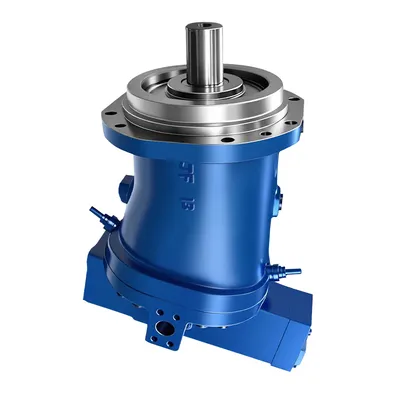
Technical expertise is an important factor when selecting an industrial pump supplier. A manufacturer may offer a wide range of products, but its ability to understand application requirements, engineer suitable configurations, and provide dependable technical support can have a major effect on the final result.
When evaluating a piston pump manufacturer, buyers should look beyond product catalogs and marketing claims. Engineering capabilities, manufacturing processes, testing methods, customization experience, and application knowledge provide better indicators of technical competence.
Review the Product Range
Start by examining the manufacturer’s range of piston pumps. A technically capable supplier should be able to explain the differences between its models and the applications each design is intended to serve.
Look at pressure and flow ranges, piston configurations, materials, operating speeds, and other relevant specifications. A broad product range can be useful, but understanding how products are selected is even more important.
Examine Engineering Capabilities
Engineering expertise is particularly valuable when an application has demanding or unusual requirements. Ask whether the manufacturer has qualified engineers who can assist with pump sizing and configuration.
A strong technical team should be able to discuss factors such as pressure, flow, fluid properties, temperature, duty cycle, installation conditions, and expected operating life.
Ask About Application Experience
A manufacturer’s experience with similar applications can provide useful insight into its practical expertise. Consider whether it has worked with comparable fluids, industries, pressure ranges, or operating environments.
Relevant experience can help engineers identify potential challenges before equipment is manufactured. It may also lead to more appropriate recommendations for materials, seals, valves, and other components.
Evaluate Pump Design Knowledge
A technically experienced manufacturer should understand how individual components influence overall pump performance. This includes the interaction between pistons, cylinders, valves, seals, bearings, shafts, and drive systems.
Ask technical questions about how the pump handles pressure, flow, wear, leakage, and heat. Clear explanations can provide an indication of the depth of the supplier’s engineering knowledge.
Check Material Selection Expertise
Material compatibility is an important consideration for many industrial pumping applications. Corrosive, abrasive, viscous, or high-temperature fluids can require specialized materials and component designs.
Ask how the manufacturer determines suitable materials for wetted components. The response should consider the actual characteristics of the fluid and the pump’s operating conditions.
Assess Customization Capabilities
Customization can reveal how effectively a manufacturer applies engineering knowledge to specific problems. Find out whether the supplier can modify dimensions, connections, seals, valves, materials, or other pump characteristics when necessary.
However, customization should be supported by proper engineering analysis. A manufacturer should be able to explain why a proposed modification is appropriate and how it affects overall pump performance.
Review Manufacturing Technology
Technical expertise is closely connected to manufacturing capability. Precision machining, controlled assembly, and appropriate measurement equipment can influence the consistency of pump components.
Ask about the processes used to manufacture critical parts and how dimensional tolerances are controlled. Consistent production methods are particularly important for pumps operating under high pressure or continuous duty.
Examine Testing Procedures
Testing provides practical evidence of how a manufacturer verifies its engineering and manufacturing work. Ask what tests are performed before pumps are delivered.
Depending on the application, testing may include:
- Pressure testing
- Flow-performance verification
- Leakage inspection
- Dimensional measurement
- Mechanical operation checks
- Component inspections
The manufacturer should be able to explain the purpose of relevant tests and how results are recorded.
Review Technical Documentation
Documentation is another useful indicator of technical competence. Look for clear product specifications, drawings, operating instructions, maintenance information, and performance data.
For customized equipment, detailed drawings and specifications are particularly important. They demonstrate whether the manufacturer can communicate technical information accurately throughout the project.
Ask About Troubleshooting Support
Technical expertise should continue beyond the initial sale. Ask how the manufacturer supports customers when pumps experience unusual operating conditions or performance problems.
A capable technical team should be able to help identify possible causes of issues such as abnormal vibration, leakage, pressure fluctuations, excessive wear, or reduced flow.
Evaluate Maintenance Knowledge
Understanding maintenance requirements is essential for long-term pump reliability. Ask the manufacturer which components require regular inspection and what signs indicate potential wear.
Useful maintenance guidance should cover service intervals, lubrication where applicable, replacement components, inspection procedures, and recommended operating practices.
Consider Quality-Control Systems
Technical expertise should be reflected in the manufacturer’s quality-control processes. Ask how engineering specifications are translated into production requirements and how deviations are identified.
A structured quality system can help ensure that design requirements remain consistent during machining, assembly, inspection, and final testing.
Look at Technical Communication
The way a manufacturer communicates technical information can be revealing. Pay attention to whether representatives ask detailed questions about your application before recommending a pump.
A supplier that immediately recommends a product without understanding the operating conditions may not be evaluating the application thoroughly. Good technical communication usually involves asking relevant questions and explaining the reasoning behind recommendations.
Compare Manufacturers Objectively
When evaluating several suppliers, use the same technical criteria for each one. This makes differences in capabilities easier to identify.
Consider:
| Evaluation Area | Questions to Consider |
|---|---|
| Engineering | Can the supplier support sizing and configuration? |
| Application knowledge | Has it handled similar operating conditions? |
| Manufacturing | Are precision production processes available? |
| Testing | How is pump performance verified? |
| Customization | Can application-specific modifications be engineered? |
| Documentation | Are specifications and drawings complete? |
| Maintenance | Is practical service guidance available? |
| Support | Can technical issues be addressed after delivery? |
Conclusion
Assessing the technical expertise of a piston pump manufacturer requires more than reviewing product specifications. Engineering capabilities, application experience, material knowledge, customization, manufacturing precision, testing, documentation, and technical support should all be considered.
A strong manufacturer should be able to understand the complete application, explain its recommendations clearly, and provide appropriate support throughout the equipment’s service life. Evaluating these factors carefully can help buyers select a supplier capable of delivering a pump that is technically suited to its intended operating conditions.