

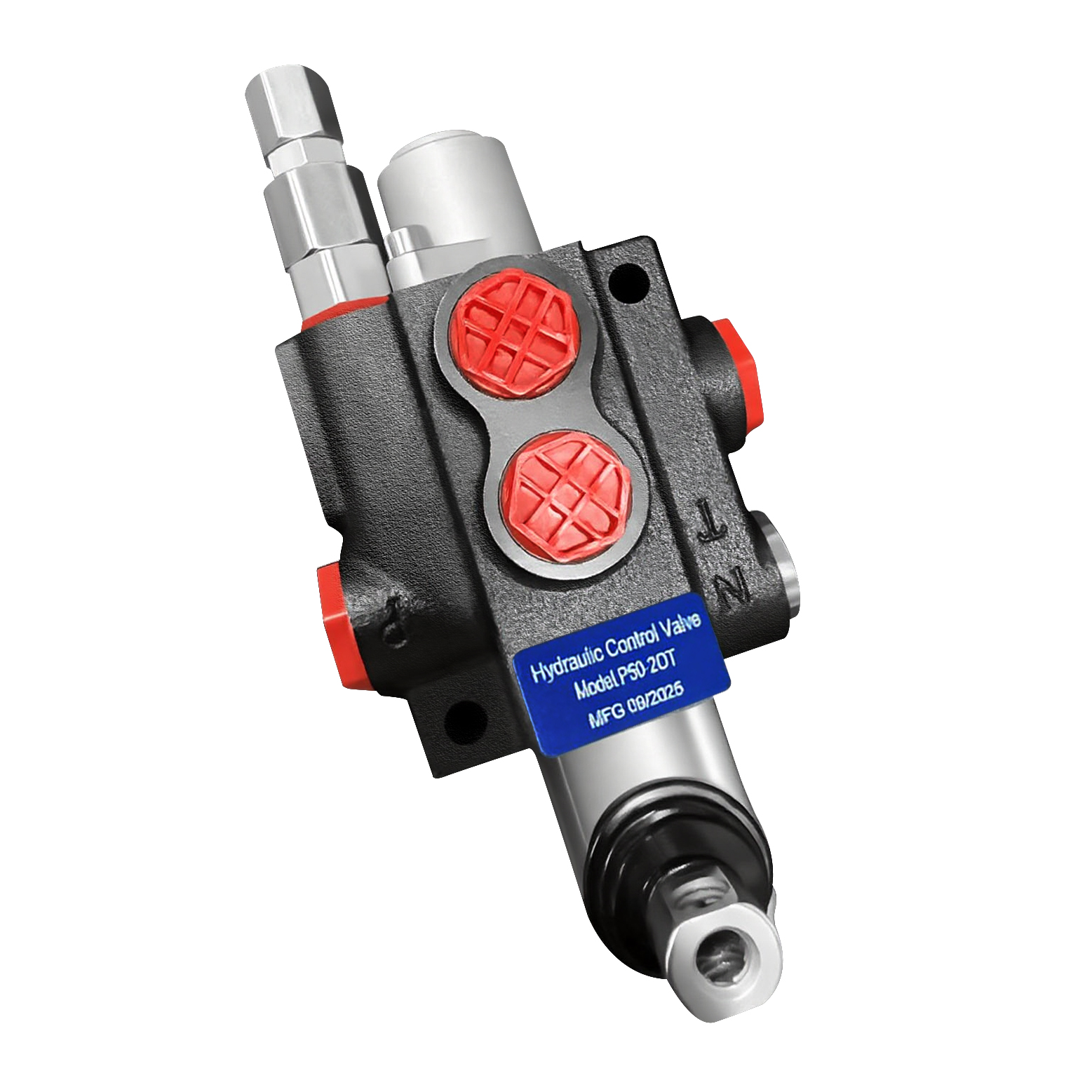
Choosing a manufacturer for a specialized hydraulic valve is an important engineering decision. The right supplier should be able to understand the application’s operating conditions, translate technical requirements into a practical design, and maintain consistent quality throughout production.
When standard valve specifications do not fully suit a particular machine, a customized hydraulic control valve may provide a better fit. However, customization is only useful when the manufacturer has the engineering capabilities, production resources, and quality processes needed to deliver a valve that meets the required specifications.
Evaluate Engineering Expertise
A capable manufacturer should have a clear understanding of hydraulic principles and valve design. This includes knowledge of pressure control, flow characteristics, actuator behavior, sealing, materials, and system integration.
Look for a manufacturer that can discuss your application in technical terms rather than simply offering a catalog of products. The ability to review hydraulic schematics and identify application-specific requirements is particularly useful.
Review Customization Capabilities
Not all manufacturers offer the same level of customization. Some may modify external dimensions or connections, while others can develop more substantial changes to internal configurations and performance characteristics.
Before starting a project, clarify which aspects can be customized. These may include:
- Pressure and flow specifications
- Port size and arrangement
- Mounting dimensions
- Spool configuration
- Actuation method
- Seal materials
- Valve body materials
- Electrical interfaces
- Overall dimensions
The available customization should match the actual requirements of the application.
Check Manufacturing Capabilities
Engineering design is only one part of the process. The manufacturer should also have suitable machining, assembly, inspection, and testing capabilities.
Consistent manufacturing processes are especially important for hydraulic valves because small dimensional differences can affect internal clearances, leakage, flow behavior, and response.
Examine Quality-Control Procedures
Ask how the manufacturer verifies the quality of materials, machined components, assemblies, and finished valves. A structured quality-control process can reduce the risk of inconsistent performance.
Relevant inspection and testing may include dimensional checks, material verification, pressure testing, leakage testing, flow testing, and functional testing.
Consider Testing Capabilities
Testing should reflect the actual requirements of the valve. A manufacturer that can evaluate pressure, flow, leakage, response, and other relevant characteristics provides stronger support for specialized applications.
For demanding equipment, it is useful to understand whether testing can be performed under conditions that represent the intended operating environment.
Assess Material and Seal Selection
The manufacturer should be able to recommend materials based on the application’s pressure, temperature, hydraulic fluid, and environmental conditions.
Seal selection deserves particular attention because incompatible seal materials can contribute to leakage or premature deterioration. Material recommendations should be based on engineering requirements rather than generic assumptions.
Review Technical Documentation
Clear documentation is an important part of a successful customization project. Depending on the application, useful documents may include technical drawings, specifications, hydraulic schematics, dimensional information, test reports, and installation instructions.
A manufacturer should also have a clear process for reviewing and approving design changes. Good documentation helps ensure that the final product matches the agreed requirements.
Look at Communication and Technical Support
Communication can have a major effect on the development process. A manufacturer should be able to ask relevant questions about pressure, flow, fluid, temperature, control, installation, and operating conditions.
Technical communication should continue throughout design, prototyping, testing, and production. Clear communication helps reduce misunderstandings and makes it easier to address unexpected engineering issues.
Consider Prototype and Sample Development
For complex applications, prototype or sample testing can be useful before moving to larger production quantities. A prototype provides an opportunity to evaluate physical fit and hydraulic performance under realistic conditions.
The manufacturer should have a defined process for handling prototype feedback and implementing approved design changes before production.
Evaluate Production Consistency
A valve that performs well as a prototype must also be manufactured consistently in production. Ask about production controls, inspection procedures, process monitoring, and batch traceability.
Consistency is particularly important when valves are used across multiple machines or as replacement components over an extended period.
Consider Delivery and Production Capacity
Lead time is another practical consideration. A manufacturer may have strong engineering capabilities but limited production capacity for the required quantity or schedule.
Discuss expected production volumes, lead times, minimum order requirements, and the manufacturer’s ability to support future orders. These factors can be important for both equipment manufacturers and maintenance programs.
Review After-Sales Support
Technical support should not necessarily end when the valve is delivered. Installation questions, performance concerns, replacement parts, and future modifications may arise during the equipment’s service life.
A manufacturer that maintains technical records and can provide relevant support may make long-term maintenance easier.
Compare Cost Based on Total Value
Price should be evaluated alongside engineering support, quality, testing, service life, and compatibility. The lowest initial price may not represent the lowest overall cost if the valve requires frequent maintenance or causes integration problems.
Consider the complete lifecycle of the component, including installation, maintenance, replacement, and potential downtime.
Ask the Right Questions
Before selecting a manufacturer, consider asking:
- What types of hydraulic valves can be customized?
- Which specifications can be modified?
- What pressure and flow ranges can be supported?
- What materials and seal options are available?
- What testing procedures are performed?
- Can technical drawings and hydraulic schematics be reviewed?
- Is prototype development available?
- How is production consistency maintained?
- What documentation accompanies the finished valve?
- What technical support is available after delivery?
The answers can help determine whether a manufacturer is equipped to handle the technical and practical requirements of the project.
Final Considerations
Choosing a customized hydraulic valve manufacturer requires evaluating more than product availability. Engineering expertise, customization capabilities, manufacturing resources, quality control, testing, documentation, communication, and after-sales support all contribute to a successful supplier relationship.
A manufacturer that understands the complete hydraulic application can help turn specific operating requirements into a practical valve design. Careful supplier evaluation at the beginning of a project can reduce integration issues and support more reliable long-term system performance.