

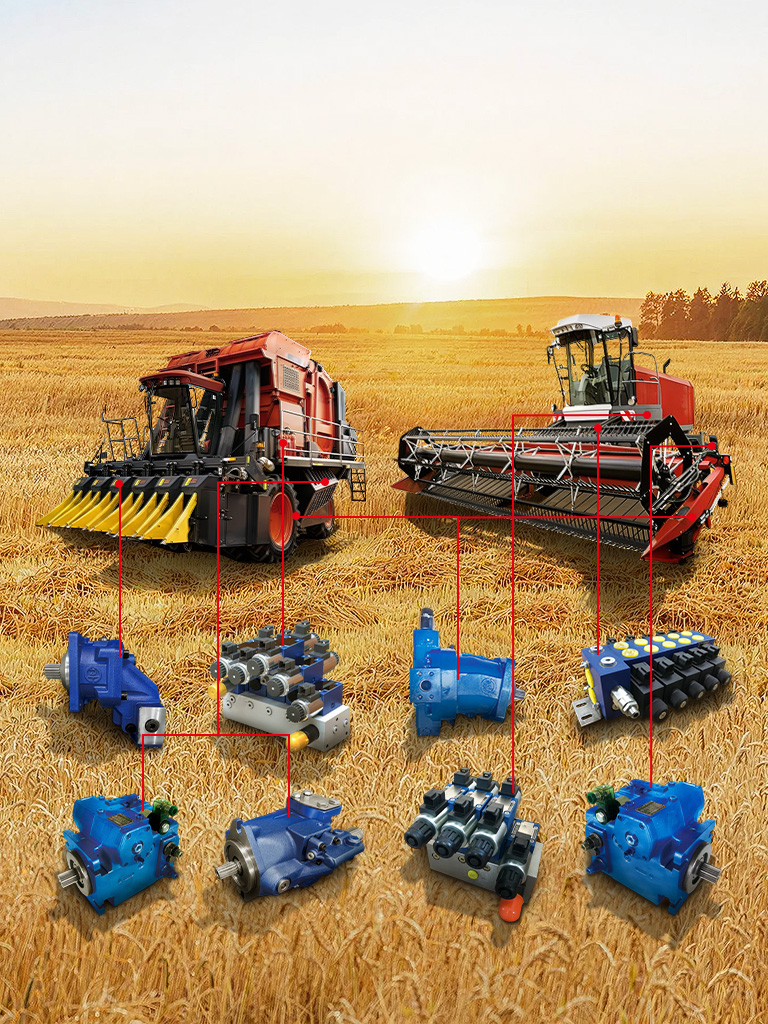
Construction and mining equipment operates in some of the most demanding working environments. Excavators, loaders, drilling machines, dump equipment, and other heavy machinery often rely on hydraulic systems to generate the force needed for digging, lifting, crushing, steering, and material handling.
A dependable hydraulic components manufacturer can support these applications by providing components designed to handle high loads, pressure cycles, vibration, dust, moisture, and other challenging conditions. Selecting suitable hydraulic parts is important for maintaining equipment performance and reducing unnecessary downtime.
The Role of Hydraulics in Heavy Equipment
Hydraulic systems allow construction and mining machines to produce substantial mechanical force from relatively compact components. Hydraulic pumps generate fluid flow, valves control the circuit, and actuators convert hydraulic energy into mechanical movement.
This technology is particularly useful for heavy equipment because hydraulic systems can provide precise control while handling significant loads.
The performance of the complete system depends on the compatibility and reliability of its individual components.
Hydraulic Cylinders for Excavators and Loaders
Hydraulic cylinders are essential to many construction machines. Excavator booms, arms, and buckets rely on cylinders to provide controlled movement and lifting force.
Loaders, bulldozers, cranes, and other machines also use cylinders for various functions. These components must withstand repeated pressure cycles and substantial mechanical loads.
Cylinder design may need to account for bore size, stroke length, rod strength, mounting configuration, and operating pressure. Environmental conditions may also influence material and surface treatment choices.
Pumps and Motors for Heavy-Duty Applications
Hydraulic pumps provide the flow required to operate heavy equipment. Because construction and mining machines may work continuously under high loads, pumps must be properly matched to the system’s pressure and flow requirements.
Hydraulic motors provide rotational power for functions such as driving, drilling, winching, or rotating attachments. Their selection depends on factors including torque, speed, pressure, flow, and duty cycle.
Correct sizing helps ensure that the hydraulic system can provide the required performance without unnecessary energy losses.
Valves for Precise Machine Control
Hydraulic valves regulate the direction, pressure, and flow of hydraulic fluid. In heavy equipment, accurate valve control allows operators to perform movements smoothly and efficiently.
Directional control valves determine where fluid is sent, while pressure control valves help protect the system from excessive pressure. Flow control components can regulate movement speed.
The valve configuration must be compatible with the machine’s hydraulic circuit and operating requirements.
Hoses, Fittings, and Connections
Heavy equipment subjects hydraulic hoses and connections to vibration, movement, abrasion, and pressure fluctuations. A suitable hose assembly must be selected according to pressure, temperature, fluid compatibility, flexibility, and installation conditions.
Fittings and adapters must also be correctly matched to the hose and hydraulic components. Poorly selected connections can result in leaks or premature failure.
Protective sleeves and suitable routing can provide additional protection where hoses are exposed to abrasion or mechanical damage.
Designing for Harsh Environments
Construction and mining equipment may operate in environments containing dust, mud, water, rocks, chemicals, and other contaminants. Temperature conditions can also vary considerably.
Hydraulic components used in these environments may require appropriate corrosion protection, durable surface finishes, robust seals, and materials suited to the expected conditions.
Environmental requirements should be considered during component selection rather than addressed only after problems occur.
Managing Heavy Loads and Pressure Cycles
Heavy machinery frequently experiences repeated loading. Hydraulic components may cycle thousands of times during their service life, creating cumulative mechanical stress.
Engineers should consider both normal operating pressure and potential pressure spikes when selecting components. Component geometry, material strength, fatigue resistance, and sealing performance can all affect long-term reliability.
Proper sizing and engineering are especially important for components that carry major structural or lifting loads.
Importance of Filtration
Hydraulic fluid contamination can cause significant problems in heavy equipment. Dust, metal particles, water, and other contaminants can damage pumps, valves, motors, and cylinders.
Appropriate filtration helps protect sensitive hydraulic components and maintain fluid cleanliness. Filters should be selected according to the hydraulic system’s flow rate, filtration requirements, and operating environment.
Regular filter inspection and replacement are also important parts of preventive maintenance.
Supporting Equipment Uptime
Downtime can be particularly costly in construction and mining because machines are often central to ongoing projects or production operations. A hydraulic component failure can stop an entire machine and potentially affect other processes.
Reliable components, appropriate maintenance, and access to suitable replacement parts can help reduce these risks.
Manufacturers can support equipment owners by maintaining consistent product specifications and providing technical information that helps maintenance teams identify suitable replacement components.
Custom Solutions for Specialized Machinery
Not all construction and mining machines use standard hydraulic configurations. Specialized equipment may require cylinders, manifolds, valves, fittings, or other components with unique dimensions or performance requirements.
Custom engineering can address installation restrictions, unusual pressure requirements, or specialized operating conditions.
Before developing a customized component, engineers should evaluate the complete hydraulic circuit and the mechanical loads involved to ensure that the design is appropriate.
Quality Control for Heavy-Duty Components
Quality control is especially important for hydraulic components used in demanding equipment. Manufacturing defects or dimensional inconsistencies can lead to premature failure when parts are subjected to high loads and repeated operation.
Useful quality measures can include material inspection, dimensional checks, pressure testing, leakage testing, surface inspection, and functional testing.
Consistent quality across production batches is also important for fleet operators that purchase replacement components over an extended period.
Selecting Components for Construction and Mining
When evaluating hydraulic components for heavy equipment, buyers should consider more than the component’s basic specifications. The operating environment and machine duty cycle are equally important.
Key considerations include:
- Maximum and working pressure
- Required flow rate
- Mechanical load
- Operating temperature
- Hydraulic fluid compatibility
- Corrosion and abrasion exposure
- Expected operating cycles
- Available installation space
- Maintenance and replacement requirements
Matching the component to the actual working conditions can help improve system reliability and service life.
Conclusion
Hydraulic systems are fundamental to the operation of construction and mining equipment. Pumps, motors, cylinders, valves, hoses, fittings, filters, and other components must work together reliably under high loads and challenging environmental conditions.
A suitable manufacturing partner can support these applications through appropriate materials, precise production, testing, and application-specific engineering. By selecting hydraulic components according to the machine’s pressure, load, environment, and duty cycle, equipment operators can support dependable performance and reduce avoidable downtime.