
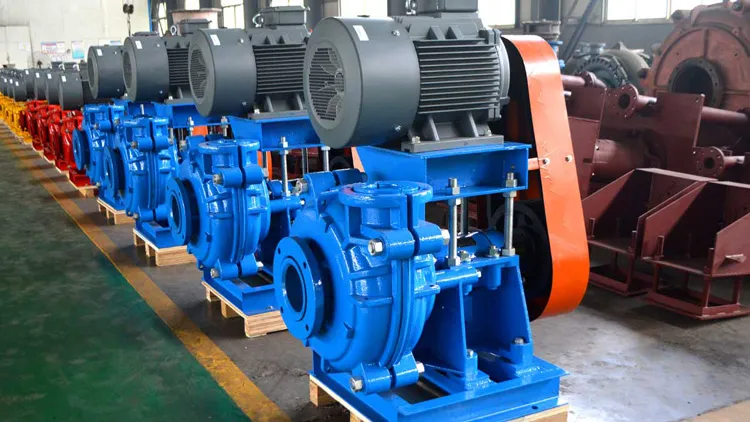
Cavitation is a common hydraulic problem that can affect pump performance, reliability, and component life. It occurs when the pressure at the pump inlet becomes low enough for vapor bubbles to form and then collapse as they move into areas of higher pressure.
For a centrifugal slurry pump, cavitation can be particularly damaging because slurry already places demanding conditions on internal components. Preventing it requires attention to suction conditions, system design, pump selection, and operating practices.
What Causes Cavitation?
Cavitation occurs when the pressure of the pumped liquid falls below its vapor pressure. This can happen when the pump does not receive sufficient pressure at the suction inlet.
Several conditions can contribute to cavitation, including:
- Excessive suction lift
- Restricted suction piping
- Low liquid levels
- High fluid temperature
- Excessive pump speed
- Blocked or partially closed suction valves
- Poorly designed suction piping
- Operating outside the intended pump range
Understanding the underlying cause is important because simply reducing pump speed may not resolve a system-level suction problem.
Signs of Cavitation
Early recognition can help prevent serious damage. Cavitation may produce unusual operating symptoms that differ from normal pump behavior.
Common signs include unusual noise, vibration, fluctuating flow, unstable discharge pressure, and reduced pump performance. In severe cases, repeated bubble collapse can damage internal surfaces and create visible pitting.
These symptoms can also have other causes, so operators should evaluate the complete system before identifying cavitation as the root problem.
Maintain Adequate Suction Pressure
One of the most important ways to prevent cavitation is to ensure that sufficient pressure is available at the pump inlet.
The available net positive suction head, or NPSHa, should be greater than the pump’s required NPSH under the actual operating conditions. An appropriate safety margin is also important because process conditions can change.
Review suction pressure, liquid level, temperature, and system losses when evaluating available suction conditions.
Design the Suction Piping Properly
Suction piping has a direct influence on inlet pressure. A pipe that is too small can create excessive friction losses and reduce the pressure available at the pump inlet.
Keep the suction line as direct as practical and minimize unnecessary bends, fittings, and restrictions. The piping should also be properly supported so that external loads are not transferred to the pump casing.
Keep the Suction Line Free From Blockages
Slurry can settle inside suction piping when the flow velocity is too low or when the system remains idle for an extended period. Accumulated solids can restrict flow and increase suction losses.
Inspect the suction line regularly and address deposits before they become significant restrictions. Suitable flushing or shutdown procedures may also help prevent solids from accumulating.
Maintain Proper Liquid Levels
A low liquid level in the supply tank can reduce the pressure available at the pump inlet. In some systems, falling liquid levels can significantly reduce the available suction head.
Monitor tank levels and establish operating limits that provide adequate suction conditions. Automatic controls may be useful in systems where liquid levels change frequently.
Control Pump Speed
Pump speed affects flow, head, and suction requirements. Increasing speed can raise the pump’s NPSH requirement and make cavitation more likely if the suction system cannot provide sufficient pressure.
Avoid operating at unnecessarily high speeds. If variable-speed control is available, maintain a speed that meets process requirements without placing excessive demands on the suction system.
Consider Slurry Temperature
Higher temperatures can increase the vapor pressure of the liquid portion of the slurry, making cavitation more likely under certain conditions.
When pumping hot slurry, carefully evaluate the available suction head at the actual operating temperature. Conditions that are safe at a lower temperature may become unsuitable as temperature rises.
Avoid Excessive Suction Lift
Excessive suction lift can reduce the pressure available at the pump inlet. If the pump must draw slurry from a source located significantly below the pump, the suction system should be carefully evaluated.
Where possible, positioning the pump to reduce suction lift can improve inlet conditions. The final arrangement should be based on the required NPSH and actual system characteristics.
Operate Within the Recommended Range
Operating far from the intended duty point can create unstable hydraulic conditions and increase the risk of cavitation.
Check the pump’s performance curve and ensure that the normal operating point falls within a suitable range. Avoid using extreme valve throttling or other practices that create unnecessary restrictions.
Inspect for Air Entry
Air entering through leaks in the suction system can cause unstable flow and symptoms that may resemble cavitation. Loose connections, damaged seals, or poorly sealed fittings can allow air to enter the system.
Inspect suction connections regularly and correct leaks promptly. Maintaining a properly sealed suction system supports more stable pump operation.
Use Proper Pump Selection
Cavitation prevention begins during pump selection. The pump should be selected according to the required flow, head, slurry characteristics, suction conditions, and operating temperature.
Do not rely only on rated flow and head. The pump’s NPSH requirement must also be compared with the actual NPSHa available from the system.
Monitor Operating Conditions
Regular monitoring can help identify changing suction conditions before cavitation causes significant damage.
Useful parameters to monitor include:
- Suction pressure
- Discharge pressure
- Flow rate
- Motor current
- Vibration
- Pump speed
- Liquid level
- Slurry temperature
Comparing current measurements with normal operating values can make abnormal conditions easier to detect.
Final Thoughts
Preventing cavitation in centrifugal slurry pumps requires a combination of correct equipment selection, adequate suction conditions, suitable piping, and careful operation. Maintaining sufficient NPSH is central to the process, but other factors such as slurry temperature, liquid level, pump speed, and suction restrictions must also be considered.
By monitoring operating conditions and addressing suction problems early, operators can reduce vibration, protect internal components, and maintain more reliable slurry pumping performance.