
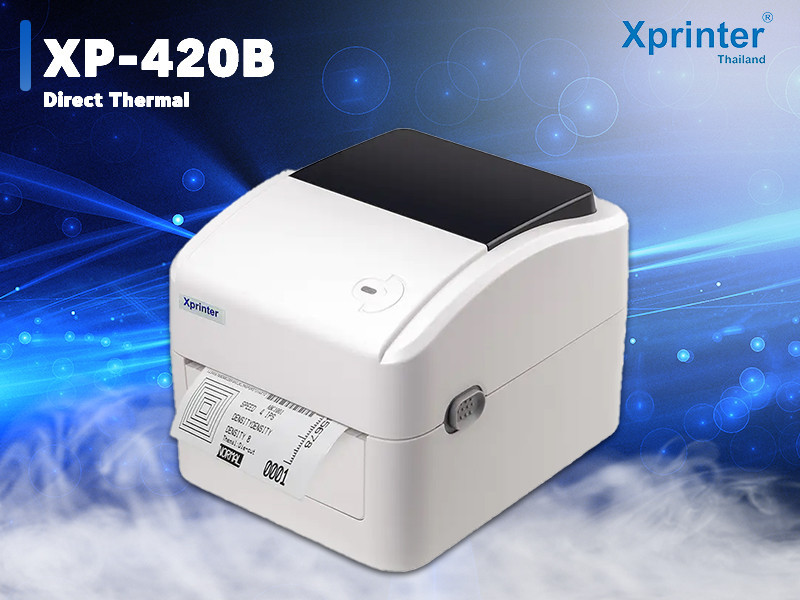
Thermal printing technology has transformed the way businesses handle receipts, labels, tickets, and other printed materials. Unlike traditional printing methods that depend on ink or toner, thermal printers use heat-based technology to create clear and reliable prints quickly. This makes them suitable for industries that require efficient and consistent printing performance.
Modern businesses rely on advanced solutions such as the Xprinter Thermal Printer to support daily operations across retail, logistics, hospitality, healthcare, and manufacturing. By using thermal printing technology, these printers deliver fast output, reduced maintenance requirements, and dependable performance for various applications.
Understanding Thermal Printing Technology
Thermal printing is a printing method that uses heat to produce images and text on specially designed materials. Instead of spraying ink onto paper, the printer applies heat through a thermal print head to create the desired output.
This technology is popular because it offers:
- Fast printing speeds
- Quiet operation
- Simple maintenance
- Reliable performance
- Efficient operation
These advantages make thermal printing ideal for environments where speed and accuracy are essential.
How Thermal Printers Work
A thermal printer operates through several key components that work together to produce printed output.
The basic process includes:
- The printer receives digital information from a connected device.
- The thermal print head applies controlled heat patterns.
- Heat reacts with thermal paper or transfers ink from a ribbon.
- The final image or text appears on the printing material.
This process allows thermal printers to produce prints quickly without the need for traditional ink cartridges.
Types of Thermal Printing Methods
There are two main types of thermal printing technology used in business applications.
Direct Thermal Printing
Direct thermal printing uses heat-sensitive paper that changes color when exposed to heat. This method is commonly used for short-term printing needs.
Typical applications include:
- Retail receipts
- Temporary labels
- Transaction records
- Queue tickets
Advantages of direct thermal printing include:
- No ink or toner required
- Lower maintenance needs
- Simple operation
- Cost-effective printing
Thermal Transfer Printing
Thermal transfer printing uses a ribbon that transfers ink onto the printing surface through heat. This method creates more durable prints that can withstand different environmental conditions.
Common applications include:
- Product labels
- Shipping tags
- Industrial identification
- Asset tracking
Thermal transfer printing is suitable for businesses that require long-lasting labels.
The Role of the Thermal Print Head
The thermal print head is one of the most important parts of a thermal printer. It contains many small heating elements that activate specific areas of the printing surface to create text, images, or barcodes.
A high-quality print head helps provide:
- Clear output
- Accurate barcode reproduction
- Consistent printing
- Reliable long-term performance
Proper maintenance of the print head is essential for maintaining print quality.
Benefits of Thermal Printing Technology
Thermal printing provides several advantages that make it suitable for modern business environments.
Faster Printing Speed
Thermal printers can produce documents and labels quickly, making them valuable for high-volume operations such as retail checkout and warehouse shipping.
Lower Maintenance Requirements
Because thermal printers do not rely on ink cartridges, they generally require fewer replacements and less frequent maintenance.
Improved Reliability
The simple design of thermal printers helps reduce mechanical issues and supports continuous operation.
Cost Efficiency
Reduced consumable requirements and efficient operation can help businesses lower long-term printing expenses.
Applications Across Different Industries
Thermal printing technology supports many industries because of its flexibility and reliability.
Retail
Retail businesses use thermal printers for receipts, barcode labels, and inventory management. Fast printing helps improve checkout efficiency and customer service.
Logistics
Warehouses and shipping companies depend on thermal printing for package labels, tracking information, and inventory control.
Hospitality
Restaurants and hotels use thermal printers for order tickets, receipts, and billing documents.
Healthcare
Medical facilities use thermal printing for patient labels, prescription information, and laboratory identification.
Manufacturing
Manufacturers use thermal printing for product labels, asset tracking, and production management.
Connectivity and Integration Features
Modern thermal printers are designed to work with different business systems and devices. Connectivity options allow businesses to integrate printing into their existing workflows.
Common connection methods include:
- USB
- Ethernet
- Wi-Fi
- Bluetooth
- Serial interfaces
These features help businesses connect printers with computers, mobile devices, and management software.
Maintaining Thermal Printing Performance
Proper maintenance ensures reliable operation and extends printer lifespan.
Recommended practices include:
- Clean the print head regularly.
- Use compatible thermal paper and labels.
- Keep the printer in a dust-free environment.
- Check printer components periodically.
- Update software and drivers when needed.
Regular maintenance helps preserve print quality and reduce unexpected interruptions.
Future of Thermal Printing Technology
Thermal printing continues to evolve as businesses demand faster, smarter, and more connected solutions. Improvements in wireless connectivity, automation, and system integration are helping thermal printers become even more efficient.
As industries continue adopting digital workflows, thermal printing technology will remain an important tool for managing physical documents, labels, and transaction records.
Conclusion
Thermal printing technology provides the foundation for fast, reliable, and efficient printing solutions used across many industries. By using heat-based printing methods, thermal printers deliver clear output while reducing maintenance needs and operating costs.
With applications ranging from retail receipts to warehouse labels and healthcare documentation, thermal printing continues to support businesses that require accuracy, speed, and dependable performance in their daily operations.