
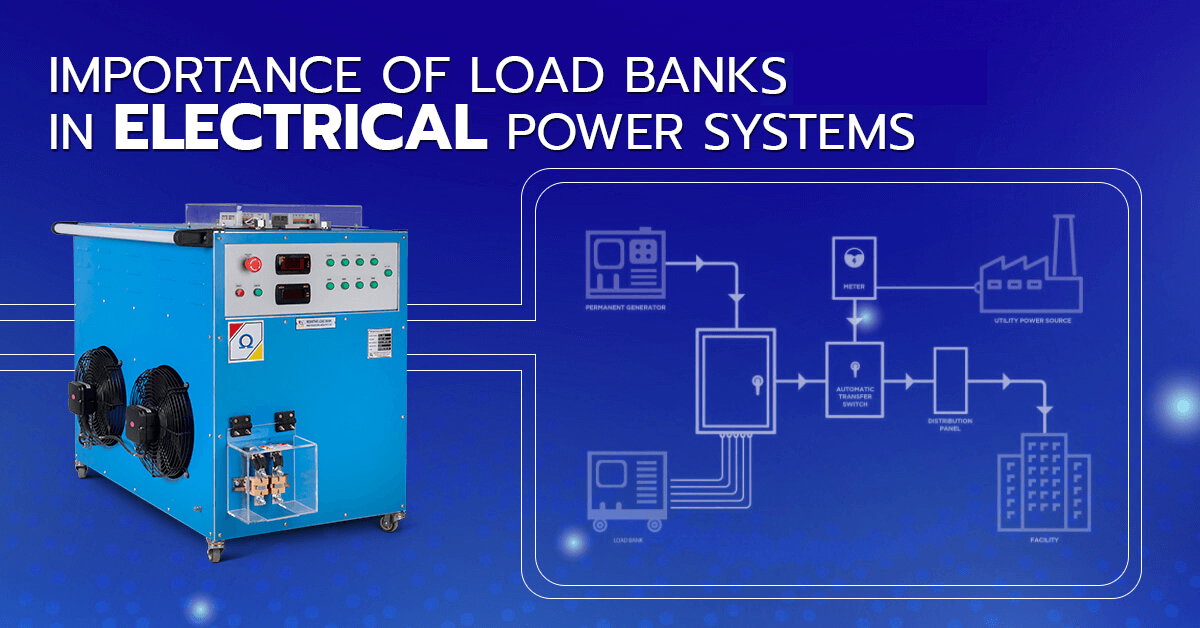
Finding the right inductive load bank is an important step for organizations that depend on reliable power system testing. These specialized devices are used to simulate reactive electrical loads, helping engineers evaluate the performance of generators, UPS systems, transformers, and other critical equipment under realistic operating conditions. Choosing a reliable manufacturer ensures the equipment delivers accurate results, operates safely, and provides long-term value.
Sourcing high-quality equipment requires more than comparing prices or product specifications. When evaluating an inductive load banks manufacturer, buyers should carefully review the company’s engineering expertise, manufacturing standards, product quality, and customer support. A structured sourcing process helps reduce procurement risks while ensuring the selected load bank meets both current and future operational needs.
Define Your Technical Requirements
Before contacting manufacturers, clearly identify the specifications required for your application. Having a detailed understanding of your testing needs makes it easier to compare available solutions and request accurate quotations.
Important considerations include:
- Voltage and frequency requirements
- Load capacity
- Power factor requirements
- Indoor or outdoor installation
- Cooling method
- Control and monitoring features
Clearly defined requirements help manufacturers recommend the most suitable equipment.
Research Manufacturer Experience
Experience is one of the most reliable indicators of manufacturing capability. Companies with a long history of producing inductive load banks often have proven engineering knowledge and established quality control processes.
When researching manufacturers, consider:
- Years in business
- Industries served
- Product range
- Completed projects
- Customer references
An experienced manufacturer is generally better equipped to provide dependable products and technical guidance.
Evaluate Product Quality
High-quality construction directly influences equipment performance and service life. Reliable manufacturers use durable components and follow strict production procedures to ensure consistent quality.
Look for products that feature:
- Industrial-grade electrical components
- Robust enclosure construction
- Efficient cooling systems
- Precision manufacturing
- Comprehensive factory testing
Well-built equipment reduces maintenance requirements and improves long-term reliability.
Verify Compliance with Industry Standards
Manufacturers should follow recognized international quality and safety standards during product design and production. Compliance demonstrates a commitment to consistent manufacturing practices and dependable equipment performance.
Ask about certifications, quality management systems, and factory testing procedures before making a purchasing decision.
Assess Customization Capabilities
Every facility has unique testing requirements. Manufacturers that offer customized solutions can provide equipment tailored to specific operational needs.
Customization options may include:
- Voltage ratings
- Load capacity
- Frequency configurations
- Outdoor weatherproof enclosures
- Automated control systems
- Remote monitoring capabilities
Customized load banks improve compatibility with existing power infrastructure and testing procedures.
Review Factory Testing Procedures
Factory testing is an essential step in verifying product performance before delivery. Reliable manufacturers conduct comprehensive inspections and operational tests to ensure every unit meets design specifications.
Typical testing includes:
- Electrical performance verification
- Reactive load simulation
- Temperature monitoring
- Cooling system evaluation
- Safety feature testing
- Control system validation
Thorough testing helps ensure the equipment is ready for reliable operation upon installation.
Consider Technical Support
After-sales support is a valuable part of the purchasing decision. Manufacturers that provide ongoing technical assistance help customers maximize equipment performance throughout its service life.
Support services often include:
- Installation guidance
- Operator training
- Preventive maintenance recommendations
- Spare parts availability
- Technical troubleshooting
Responsive support can reduce downtime and improve long-term operational efficiency.
Compare Total Cost of Ownership
While purchase price is important, evaluating long-term costs provides a more accurate measure of value. High-quality equipment often delivers better durability, fewer repairs, and lower maintenance expenses over time.
Consider factors such as warranty coverage, expected service life, maintenance requirements, and availability of replacement parts when comparing manufacturers.
Build Long-Term Supplier Relationships
Working with a reliable manufacturer can provide ongoing benefits beyond the initial purchase. Long-term partnerships often lead to better technical support, faster response times, easier access to spare parts, and improved collaboration on future projects.
Establishing a trusted supplier relationship helps ensure consistent product quality as your operational needs evolve.
Conclusion
Sourcing high-quality inductive load banks requires careful planning and a thorough evaluation of potential manufacturers. By reviewing technical expertise, manufacturing standards, product quality, customization options, testing procedures, and after-sales support, organizations can make well-informed purchasing decisions.
Choosing a reliable manufacturer not only ensures accurate power system testing but also provides long-term value through dependable equipment, responsive technical assistance, and consistent product performance in demanding industrial environments.