
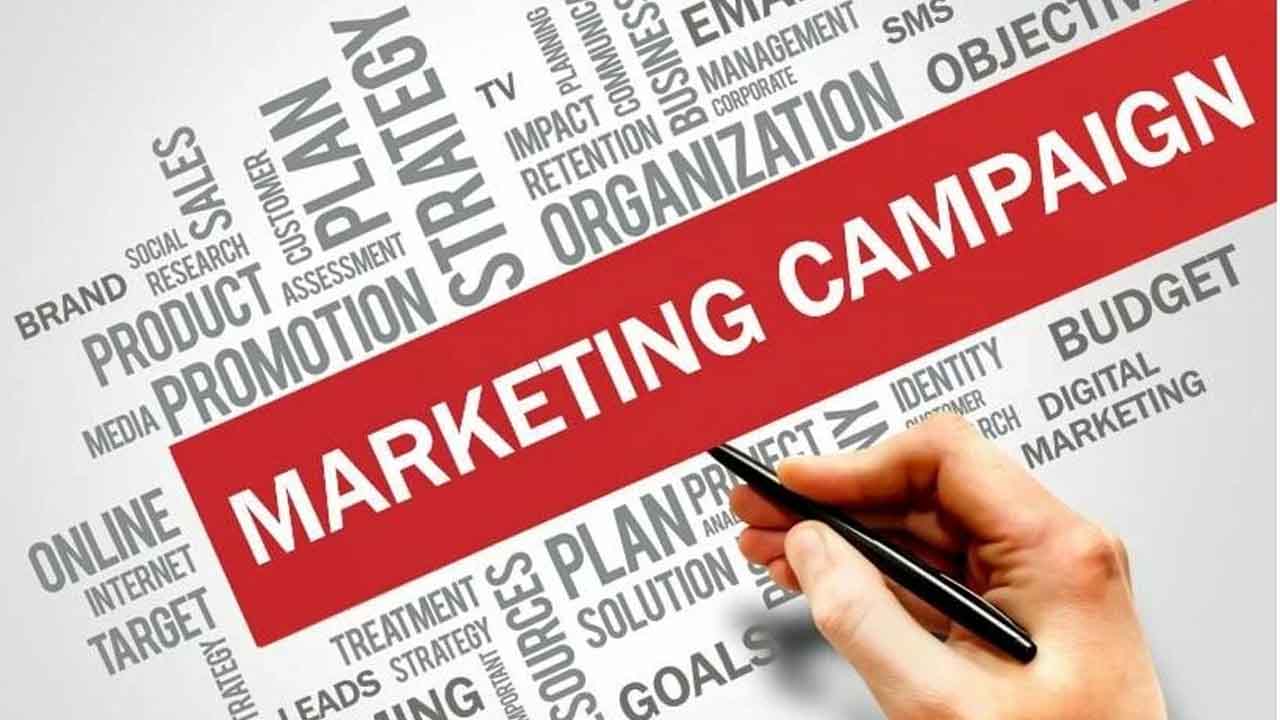
Creating an effective marketing campaign requires careful planning, creative execution, and a clear understanding of customer needs. Businesses that want to stand out must develop strategies that not only promote their products but also encourage meaningful interactions with their audience. A well-structured campaign can improve brand awareness, increase engagement, and support long-term growth.
Successful promotional marketing campaigns are built by combining research, strategic planning, customer-focused messaging, and measurable goals. From the initial concept to final evaluation, every stage plays an important role in creating a campaign that delivers valuable results.
Define Campaign Objectives
The first step in building a successful promotional campaign is identifying clear goals. Businesses need to understand what they want to achieve before deciding on promotional methods or creative ideas.
Common objectives include:
- Increasing brand awareness
- Promoting a new product
- Generating customer leads
- Driving sales
- Improving customer engagement
- Strengthening brand loyalty
Clear objectives provide direction and make it easier to measure campaign success.
Understand the Target Audience
A strong campaign begins with knowing who the message is designed for. Understanding customer preferences, behaviors, and challenges helps businesses create promotions that feel relevant and valuable.
Audience research can help determine:
- Customer interests
- Purchasing habits
- Preferred communication channels
- Location and demographics
- Common customer needs
A campaign built around audience insights is more likely to create meaningful connections.
Develop a Creative Campaign Concept
Creativity plays an important role in making promotional efforts memorable. A strong concept should communicate the brand message while encouraging customers to participate or take action.
Creative ideas may include:
- Interactive experiences
- Product demonstrations
- Community promotions
- Event-based campaigns
- Customer challenges
- Limited-time offers
A unique concept helps businesses capture attention in competitive markets.
Choose the Right Promotional Channels
Selecting the right channels ensures the campaign reaches the intended audience effectively. Different businesses may require different approaches depending on their goals and customers.
Promotional channels may include:
- Live events
- Social media platforms
- Email marketing
- Outdoor promotions
- In-store activities
- Experiential campaigns
Using a combination of channels can help businesses create a stronger overall impact.
Create Engaging Customer Experiences
Customer engagement is often the difference between an average promotion and a successful one. Campaigns that allow customers to interact with a brand can create stronger emotional connections.
Engagement strategies may include:
- Product sampling
- Demonstrations
- Contests
- Brand activations
- Interactive displays
- Promotional giveaways
These experiences help customers remember the brand and encourage further interaction.
Plan Campaign Execution Carefully
A successful campaign requires detailed preparation. Businesses should create timelines, assign responsibilities, and organize resources before launch.
Important planning areas include:
- Campaign schedule
- Promotional materials
- Staffing requirements
- Budget management
- Location planning
- Customer communication
Strong organization helps prevent challenges and improves campaign performance.
Promote Before Launch
Building awareness before a campaign begins can increase participation and customer interest. Pre-launch promotion helps audiences understand what to expect and encourages early engagement.
Businesses can use:
- Social media announcements
- Email invitations
- Website updates
- Digital advertisements
- Customer notifications
Early promotion creates anticipation and improves campaign visibility.
Monitor Campaign Performance
Tracking results throughout the campaign helps businesses identify what is working and where improvements may be needed. Real-time insights allow companies to make adjustments and improve outcomes.
Performance indicators may include:
- Customer participation
- Website traffic
- Lead generation
- Social media engagement
- Sales activity
- Customer feedback
Measurement provides valuable information for future marketing decisions.
Evaluate Results After Completion
The final stage of a promotional campaign is reviewing performance and identifying lessons learned. Businesses should analyze whether the campaign achieved its goals and determine what strategies were most effective.
Post-campaign evaluation helps improve:
- Future planning
- Customer targeting
- Budget decisions
- Promotional strategies
Continuous improvement leads to stronger marketing results over time.
Conclusion
Building successful promotional marketing campaigns requires a combination of strategy, creativity, and customer understanding. From defining goals and researching audiences to executing experiences and measuring results, every step contributes to campaign success.
By focusing on meaningful engagement and delivering valuable customer experiences, businesses can create promotions that increase awareness, strengthen relationships, and support long-term growth.