

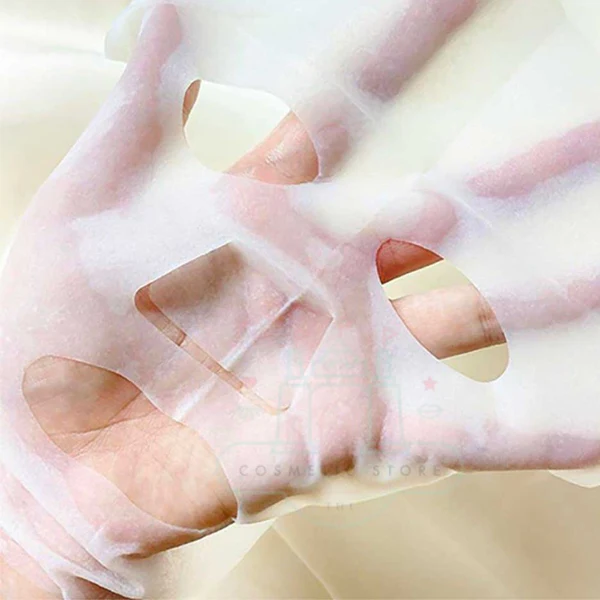
Creating a high-quality face mask involves much more than mixing ingredients together. Every stage of the manufacturing process, from product development to final packaging, plays a vital role in ensuring safety, effectiveness, and customer satisfaction. Understanding how the process works can help skincare brands make informed decisions when selecting a manufacturing partner.
Whether you’re launching a new skincare line or expanding an existing one, working with an experienced face mask manufacturer ensures that each production stage is handled with precision and follows industry quality standards.
Step 1: Product Research and Formula Development
Every face mask begins with research and formulation. Manufacturers work with cosmetic scientists to develop formulas based on the desired product type, target audience, and skincare benefits.
Common considerations during formulation include:
- Skin type compatibility
- Active ingredient selection
- Product texture
- Fragrance options
- Stability and shelf life
The goal is to create a formula that delivers consistent performance while meeting safety regulations.
Step 2: Ingredient Sourcing
Once the formula is finalized, manufacturers source the necessary raw materials from trusted suppliers. High-quality ingredients are essential for producing effective skincare products.
Each ingredient undergoes quality checks to verify its purity, consistency, and compliance with cosmetic standards before entering the production process.
Step 3: Mixing and Production
The approved ingredients are carefully measured and blended using specialized equipment. Manufacturing facilities follow strict production procedures to ensure every batch maintains the same consistency and performance.
Temperature, mixing speed, and processing time are closely monitored throughout production to achieve the desired texture and product quality.
Step 4: Quality Control Testing
Quality control is one of the most important stages in face mask production. Every batch is tested before moving forward to packaging.
Testing may include:
- Microbiological analysis
- Stability testing
- pH level verification
- Texture consistency
- Appearance inspection
These tests help ensure the finished product meets both safety requirements and customer expectations.
Step 5: Filling and Packaging
After passing quality inspections, the product is transferred into its final packaging. Depending on the product type, this may include jars, tubes, sachets, or sheet mask pouches.
Modern filling equipment helps ensure accurate product quantities while maintaining hygienic conditions throughout the packaging process.
Step 6: Labeling and Compliance
Packaging is more than just attractive design. Labels must include important product information required by cosmetic regulations.
Typical labeling includes:
- Ingredient list
- Usage instructions
- Manufacturing details
- Expiration date
- Batch number
- Safety warnings
Proper labeling helps consumers use products safely while ensuring compliance with regulatory standards.
Step 7: Final Inspection
Before products leave the manufacturing facility, they undergo a final inspection to verify packaging quality and product accuracy.
Manufacturers check for issues such as:
- Damaged packaging
- Incorrect labels
- Seal integrity
- Product leaks
- Printing errors
Only products that meet quality standards proceed to shipment.
Step 8: Storage and Distribution
Finished products are stored in controlled warehouse environments until they are ready for delivery. Proper storage conditions help preserve product quality throughout transportation and distribution.
Efficient inventory management also ensures businesses receive products on schedule and in excellent condition.
Why Quality Manufacturing Matters
Every stage of the manufacturing process contributes to the final product’s performance and safety. Even small errors during formulation, production, or packaging can affect customer satisfaction and brand reputation.
Reliable manufacturers invest in advanced equipment, trained professionals, and strict quality control systems to minimize production risks and maintain consistent product quality.
Choosing the Right Manufacturing Partner
When selecting a manufacturing partner, it’s important to evaluate more than just pricing. Consider factors such as production capabilities, quality certifications, customization options, communication, and regulatory expertise.
A manufacturer with a proven track record can provide valuable support throughout product development and help your skincare brand maintain high standards as it grows.
Conclusion
The face mask manufacturing process involves multiple carefully managed stages, from formula development and ingredient sourcing to quality testing, packaging, and distribution. Each step is essential for producing safe, effective, and reliable skincare products.
Understanding this process allows skincare brands to make informed decisions when choosing a manufacturing partner, ultimately helping them deliver products that build customer trust and support long-term business success.