

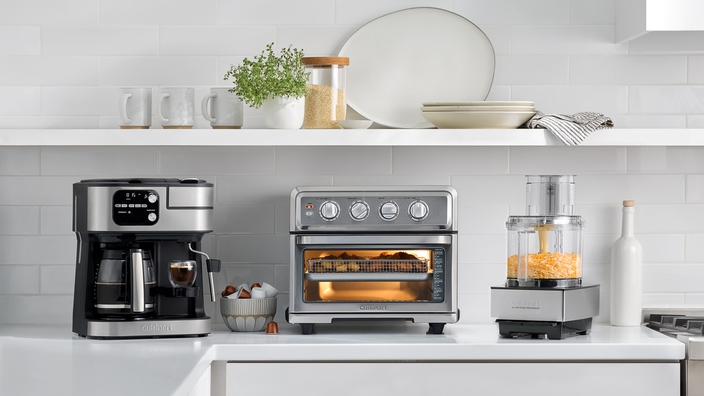
Consumer expectations in the home appliance industry are evolving faster than ever. Modern households no longer look for basic functionality alone; instead, they expect convenience, efficiency, smart features, and aesthetic appeal. This shift has significantly influenced how manufacturers design and market kitchen products.
In response, many small kitchen appliance brands are continuously adapting their product strategies to match new lifestyle demands. From compact urban living to smart home integration, brands are reshaping their offerings to stay relevant in a highly competitive global market.
Understanding the Shift in Consumer Behavior
One of the biggest drivers of change in the appliance industry is evolving consumer behavior. People today are more informed, more connected, and more selective in their purchasing decisions.
Key changes in consumer expectations include:
- Demand for faster cooking solutions
- Preference for compact kitchen appliances
- Interest in energy-efficient devices
- Desire for multi-functional products
- Greater focus on design and aesthetics
These expectations push manufacturers to rethink traditional product models and create appliances that fit modern lifestyles.
The Rise of Smart and Connected Appliances
Technology has become a central part of kitchen innovation. Consumers increasingly prefer appliances that offer smart features and digital control options.
Common smart adaptations include:
- App-based controls
- Digital temperature settings
- Pre-programmed cooking modes
- Voice assistant compatibility
- Automated shut-off systems
These features allow users to have more control, precision, and convenience while cooking, aligning with the growing trend of smart homes.
Focus on Compact and Space-Saving Designs
Urbanization and smaller living spaces have significantly impacted appliance design. Many consumers now live in apartments or compact homes where kitchen space is limited.
To address this, brands are developing:
- Slim and portable appliances
- Foldable or stackable designs
- Multi-use kitchen devices
- Lightweight materials for easy storage
Compact design has become a key selling point, especially in densely populated cities where maximizing space is essential.
Energy Efficiency as a Priority
Sustainability is another major factor shaping consumer preferences. Many buyers now actively look for appliances that reduce electricity consumption and support eco-friendly living.
Brands are responding by introducing:
- Low-power consumption devices
- Fast-heating technology to reduce energy use
- Automatic standby and shut-off features
- Improved insulation and motor efficiency
Energy-efficient appliances not only reduce environmental impact but also help consumers save on utility bills, making them more attractive in the long run.
Enhancing User Experience and Simplicity
While advanced features are important, consumers still value ease of use. Overly complex appliances can discourage regular use, regardless of their technological advantages.
To improve user experience, manufacturers focus on:
- Simple control panels
- Clear labeling and instructions
- Quick setup processes
- Easy cleaning and maintenance
- Ergonomic design improvements
A balance between innovation and simplicity ensures that appliances remain practical for everyday use.
Personalization and Custom Cooking Options
Modern consumers increasingly want appliances that adapt to their personal preferences. This has led to a rise in customizable cooking features.
Examples include:
- Adjustable temperature and timing settings
- Multiple cooking presets
- Personalized brewing or blending modes
- Adjustable speed and power levels
These options allow users to tailor appliance performance to their specific cooking habits, improving satisfaction and usability.
Importance of Aesthetic Appeal
Kitchen design has become an extension of home interior style. As a result, appearance now plays a significant role in purchasing decisions.
Brands are focusing on:
- Minimalist and modern designs
- Neutral and elegant color schemes
- Premium-looking finishes
- Compact, clutter-free structures
Appliances that blend well with kitchen decor are often preferred over purely functional designs.
Influence of Online Reviews and Digital Feedback
Consumers today rely heavily on online reviews before making purchase decisions. Feedback from other users plays a crucial role in shaping brand perception.
Manufacturers pay close attention to:
- Product ratings and reviews
- Social media feedback
- Influencer recommendations
- User-generated content
This data helps brands improve products and address customer concerns more effectively.
Faster Innovation Cycles
Changing consumer preferences require brands to innovate more quickly than before. Product development cycles have shortened significantly to keep up with market demands.
This includes:
- Rapid product updates
- Frequent feature improvements
- Quick response to competitor trends
- Agile manufacturing processes
Brands that adapt quickly are more likely to maintain competitiveness in fast-moving markets.
Building Trust Through Consistency
Even as preferences change, one factor remains constant: trust. Consumers prefer brands that consistently deliver reliable performance across product categories.
Trust is built through:
- Stable product quality
- Reliable performance over time
- Transparent product information
- Strong after-sales support
Consistency ensures that customers remain loyal even when new trends emerge.
Final Thoughts
The kitchen appliance industry continues to evolve alongside changing consumer expectations. From smart technology and compact designs to energy efficiency and personalization, brands must constantly adapt to remain relevant.
By responding quickly to market trends and focusing on user needs, manufacturers can create products that align with modern lifestyles. Ultimately, the success of kitchen appliance brands depends on their ability to balance innovation, practicality, and long-term reliability in an increasingly dynamic global market.