
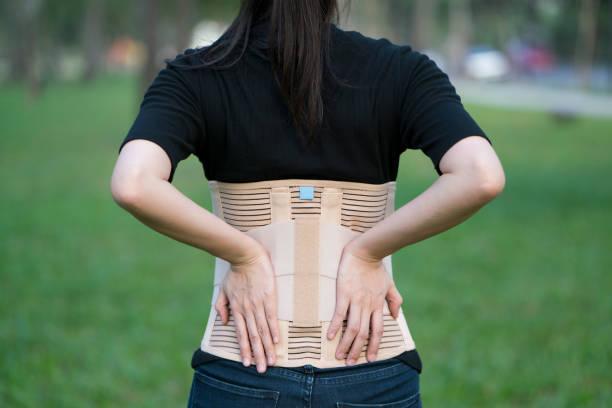
Lower back discomfort is a common issue affecting people of all ages and lifestyles. From prolonged sitting at a desk to physically demanding tasks, the lumbar region is prone to strain, fatigue, and pain. While proper posture, exercise, and stretching are essential for maintaining spinal health, a supportive device like a neoprene back brace can provide additional stability and relief. Knowing when and how to wear a back brace is crucial for achieving optimal support without over-reliance on the device.
A Neoprene Back Brace is designed to offer gentle compression, warmth, and stabilization to the lower back. It helps alleviate discomfort, promote proper posture, and reduce muscle fatigue. However, timing and context are important when using a back brace. Wearing it during the wrong activities or for prolonged periods can reduce its effectiveness and may even cause dependency. Understanding the ideal scenarios for brace use ensures that users maximize its benefits safely and effectively.
During Prolonged Sitting or Desk Work
One of the most common situations where a neoprene back brace can be beneficial is during extended periods of sitting. Office workers, students, and drivers often spend hours in a seated position, which places significant stress on the lumbar spine. Poor posture, such as slouching or leaning forward, can lead to muscle strain and discomfort.
Wearing a neoprene back brace during sitting provides gentle support that encourages proper spinal alignment. The brace acts as a reminder to maintain an upright posture, reducing slouching and minimizing stress on the lower back muscles. It is particularly useful during long workdays or study sessions when posture can easily deteriorate.
While Lifting or Performing Physical Tasks
Another scenario where a neoprene back brace is highly effective is during lifting or physically demanding activities. Whether at work, in the gym, or performing household tasks, lifting heavy objects or repetitive bending can strain the lower back.
The brace stabilizes the lumbar region and provides additional support to surrounding muscles, helping prevent overextension or improper movement that could lead to injury. By wearing the brace during these activities, users reduce the risk of muscle strain while maintaining proper alignment. Adjustable straps and reinforced panels in many neoprene braces allow for customizable compression and stability based on the intensity of the task.
During Exercise and Physical Training
Athletes and fitness enthusiasts often incorporate neoprene back braces into their training routines. Activities such as weightlifting, running, or high-intensity workouts can put extra strain on the lower back. A brace provides support and encourages correct form, reducing the risk of injury while enhancing performance.
It is important to note that while a brace offers external support, it should complement—not replace—core strengthening exercises. Strengthening the muscles that stabilize the spine is crucial for long-term back health. Using a brace during workouts helps maintain proper posture, prevent strain, and increase confidence during movement.
When Recovering from Injury or Muscle Strain
For individuals recovering from minor lower back injuries or muscle strain, wearing a neoprene back brace can facilitate healing. The brace provides stability, reduces unnecessary movement, and minimizes the risk of re-injury.
During the recovery phase, it is essential to balance support with gradual mobility. A brace helps protect the lumbar area while allowing controlled movement, promoting recovery without over-reliance on the device. Following medical advice or a physical therapist’s recommendations ensures that the brace is used appropriately during rehabilitation.
Managing Chronic Discomfort or Fatigue
People with chronic lower back discomfort or fatigue may also benefit from occasional brace use. The gentle compression and heat retention properties of neoprene help relax tense muscles and improve circulation.
However, it is important to use the brace strategically rather than continuously. Overuse can lead to muscle dependency, where the muscles supporting the spine weaken due to prolonged reliance on external support. Wearing the brace during periods of activity, long sitting, or specific tasks rather than all day is the recommended approach for optimal results.
Tips for Effective Use
To maximize the benefits of a neoprene back brace, consider the following tips:
- Ensure the brace fits properly and covers the lumbar region. It should be snug but not overly tight.
- Adjust straps or closures based on activity level and comfort.
- Combine brace use with core strengthening exercises and proper stretching.
- Limit continuous wear to avoid dependency on the brace.
- Follow manufacturer instructions for maintenance and care to preserve durability.
Conclusion
A neoprene back brace is a versatile tool for supporting the lower back, improving posture, and reducing strain during daily activities. Knowing when to wear it—such as during prolonged sitting, lifting, exercise, or recovery—ensures that users get the maximum benefit while maintaining muscle strength and flexibility. Strategic use of a back brace can enhance comfort, reduce discomfort, and promote spinal health without creating reliance on external support. By pairing proper usage with exercise and mindful posture, individuals can achieve long-term benefits for lower back strength and overall well-being.