

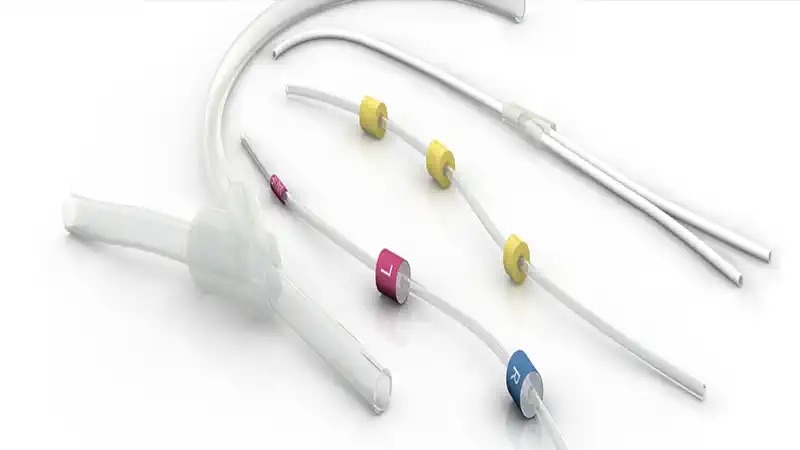
Introduction to Medical Silicone Tubing in Laboratories
Medical silicone tubing plays a vital role in biopharmaceutical and laboratory operations, offering a combination of flexibility, chemical resistance, and sterility that is essential for handling sensitive fluids and processes. From transferring cell cultures to delivering reagents in diagnostic testing, the right tubing ensures that critical laboratory procedures run smoothly and safely. Its properties make it a preferred choice over traditional plastics or rubber in high-stakes laboratory environments.
Laboratories and biopharmaceutical facilities often rely on high-quality Medical Silicone Tubing to maintain precision and sterility during fluid transfer, filtration, and bioprocessing operations. The tubing’s unique material characteristics, including its chemical inertness, thermal stability, and biocompatibility, allow it to handle sensitive materials without risk of contamination or degradation. Proper selection of silicone tubing ensures efficiency and accuracy across multiple laboratory applications.
Biocompatibility and Chemical Resistance
One of the most important attributes of silicone tubing in biopharmaceutical and laboratory use is biocompatibility. This property ensures that the tubing does not react with biological materials, reagents, or sensitive chemicals, reducing the risk of contamination or adverse reactions. Biocompatible silicone tubing is safe for use with cell cultures, blood products, and other delicate fluids, making it a standard choice in laboratories that require high levels of precision.
In addition, silicone tubing is highly resistant to a wide range of chemicals. This resistance allows it to handle acidic, basic, and organic solutions without degradation. Unlike some plastics that can leach harmful substances or absorb chemicals, silicone tubing maintains fluid purity and integrity. This characteristic is particularly important in pharmaceutical production, analytical testing, and research where contamination can compromise results or affect patient safety.
Flexibility and Durability in Laboratory Systems
Laboratory operations often involve complex fluid handling systems with multiple connections, bends, and pumps. Medical silicone tubing’s flexibility makes it ideal for these applications, allowing it to bend and adapt to tight spaces without kinking or collapsing. Its durability ensures that it can withstand repeated use, mechanical stress, and pressure fluctuations without losing integrity.
In peristaltic pumps, which are frequently used for precise fluid dosing, silicone tubing is highly effective because it can withstand repeated compression while maintaining a consistent flow rate. This reliability is essential in biopharmaceutical processes, where accurate fluid delivery can affect the yield and quality of products such as vaccines, enzymes, or monoclonal antibodies.
Temperature and Sterilization Resistance
Laboratory and biopharmaceutical processes often require tubing that can endure extreme temperatures during sterilization and processing. Silicone tubing can tolerate high heat as well as sub-zero conditions, making it compatible with autoclaving, steam sterilization, gamma radiation, and chemical sterilants. This versatility allows laboratories to maintain sterile conditions without compromising tubing performance.
Materials that cannot endure repeated sterilization cycles may degrade or release contaminants, posing risks to both research integrity and patient safety. Silicone tubing, with its thermal stability, ensures consistent performance across repeated sterilization cycles, which is critical for long-term laboratory and production applications.
Smooth Inner Surface for Contamination Prevention
A smooth inner surface is an important feature of medical silicone tubing. It minimizes fluid resistance and reduces the risk of particulate accumulation or microbial growth. This ensures that biopharmaceutical fluids, reagents, and cell cultures are transported cleanly and efficiently.
Smooth tubing also facilitates accurate measurement and fluid flow monitoring in laboratory instruments. This is particularly crucial in sensitive applications such as chromatography, filtration systems, or automated liquid handling, where even minor contamination can affect results or compromise experimental reliability.
Versatility Across Laboratory Applications
Medical silicone tubing is used in a wide range of laboratory and biopharmaceutical operations. Some common applications include:
- Fluid transfer systems: Moving reagents, buffers, and samples between containers without contamination.
- Peristaltic and dosing pumps: Ensuring precise and controlled fluid delivery.
- Bioreactors and cell culture systems: Safely handling sensitive biological materials.
- Filtration and chromatography setups: Transporting fluids with minimal interaction or adsorption.
- Analytical and diagnostic instruments: Maintaining clean, sterile pathways for accurate testing results.
This versatility allows laboratories to standardize tubing across multiple systems, reducing inventory complexity while ensuring reliable performance.
Compliance and Regulatory Standards
High-quality medical silicone tubing meets stringent regulatory standards, such as ISO 10993 for biocompatibility and FDA guidelines for medical-grade materials. Compliance with these standards ensures that tubing is safe for use in environments where fluid purity, sterility, and patient safety are paramount. Laboratories and biopharmaceutical manufacturers rely on certified tubing to maintain regulatory compliance in both research and production settings.
Conclusion
Medical silicone tubing provides critical support for biopharmaceutical and laboratory operations due to its unique combination of biocompatibility, chemical resistance, flexibility, and thermal stability. Its smooth surface, durability, and ability to withstand repeated sterilization cycles make it ideal for fluid handling, cell culture, and precise laboratory processes.
By ensuring consistent performance and minimizing the risk of contamination, medical silicone tubing plays an essential role in maintaining the integrity of research, diagnostics, and pharmaceutical production. Its regulatory compliance and versatility make it an indispensable material for laboratories and biopharmaceutical facilities aiming for high efficiency, safety, and reliability.