

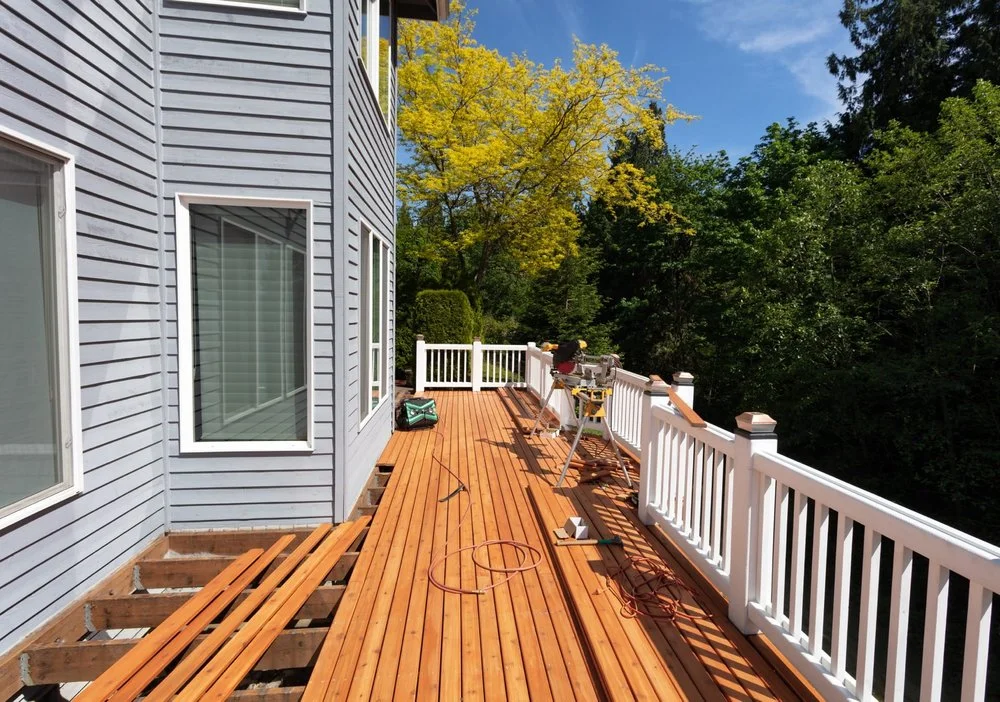
Adding a deck to your home can instantly elevate your outdoor living space, offering a perfect spot for entertaining, relaxing, or enjoying family time. However, planning a deck requires understanding the financial aspects involved. The costs vary depending on materials, size, labor, design complexity, and additional features. By knowing what to expect, homeowners can make informed decisions and ensure their investment provides both beauty and functionality.
When calculating the Cost to Build a Deck, it’s important to consider all variables, including material selection, labor charges, and design choices. Proper planning allows you to maximize value while staying within your budget, resulting in a deck that meets your needs and lasts for years.
Why Adding a Deck Is Worth It
Investing in a deck provides more than just extra space:
- Enhances Property Value: A deck adds usable outdoor space, which can increase your home’s market value.
- Expands Living Space: Create a natural extension of your indoor living areas.
- Customizable Design: Decks can be simple or elaborate, matching your home’s architectural style.
- Durability: Properly built decks can last decades with minimal maintenance.
A well-designed deck improves both functionality and aesthetics, making it a practical and rewarding home improvement project.
Key Factors That Affect Deck Costs
Several factors influence the Cost to Build a Deck, and understanding them helps you budget effectively.
1. Deck Size
The size of your deck is one of the most significant cost determinants. Larger decks require more materials and labor, which increases the overall expense:
- Small Decks (100–200 sq. ft.): $2,000–$5,000
- Medium Decks (200–400 sq. ft.): $5,000–$10,000
- Large Decks (400+ sq. ft.): $10,000+
Choosing the right size ensures you balance functionality and cost.
2. Material Selection
The type of material you choose affects durability, maintenance, and aesthetics:
- Pressure-Treated Wood: Affordable and durable ($15–$25 per sq. ft.)
- Cedar or Redwood: Naturally resistant to decay ($25–$35 per sq. ft.)
- Composite Decking: Low-maintenance and long-lasting ($30–$45 per sq. ft.)
- PVC/Synthetic Decking: Virtually maintenance-free and highly durable ($40–$60 per sq. ft.)
Material choice should align with your budget, desired appearance, and long-term maintenance preferences.
3. Labor Costs
Labor typically represents 40–60% of your total deck cost. Professional installation ensures safety, proper structural support, and compliance with building codes. Costs vary based on the complexity of the deck and regional labor rates.
4. Site Preparation
Deck site conditions can increase costs. Uneven terrain, slopes, or obstacles may require clearing, grading, or excavation. Proper site preparation is essential for a stable and long-lasting deck.
5. Design Complexity
Simple rectangular decks are the most budget-friendly. More complex designs, including multi-level, curved, or intricate layouts, increase both labor and materials. Built-in features like benches or planters also add to the cost.
6. Permits
Many local municipalities require permits to ensure building safety and code compliance. Permit costs range from $50 to $500 depending on your location.
7. Optional Features
Optional elements enhance functionality but also add to the total cost:
- Railings: $20–$50 per linear foot
- Stairs: $100–$500 per set
- Lighting: $50–$300 for basic setups
- Built-in seating or planters: $200–$1,000
Selecting features wisely allows you to enhance your deck without overspending.
Average Deck Cost Estimates
| Deck Size | Material | Estimated Cost |
|---|---|---|
| Small (100–200 sq. ft.) | Pressure-treated wood | $2,000–$5,000 |
| Medium (200–400 sq. ft.) | Cedar or composite | $5,000–$12,000 |
| Large (400+ sq. ft.) | Composite or PVC | $12,000–$25,000+ |
Keep in mind that custom designs and premium materials can increase costs beyond these averages.
Tips to Reduce Deck Costs
- Stick to Standard Sizes: Reduces material waste and labor expenses.
- Select Affordable Materials: Pressure-treated wood is both durable and budget-friendly.
- Simplify Design: Avoid complex multi-level or curved layouts.
- Combine Projects: Installing multiple features simultaneously may reduce labor costs.
- Get Multiple Quotes: Comparing contractor estimates ensures competitive pricing.
Deck Installation Process
Professional installation guarantees safety, longevity, and quality finishes. Typical steps include:
- Site Preparation: Clear and level the area.
- Layout and Measurements: Ensure proper dimensions and alignment.
- Framing: Install posts, joists, and beams for structural stability.
- Decking: Secure boards to the frame.
- Optional Features: Add railings, stairs, lighting, or built-ins.
- Inspection: Ensure compliance with safety and building codes.
Small decks may take a few days, while large or complex designs can take 1–2 weeks.
Maintaining Your Deck
Proper maintenance prolongs the life of your deck:
- Clean regularly with mild soap and water.
- Seal wooden decks annually to prevent rot and decay.
- Inspect boards, railings, and stairs for damage.
- Wash composite or PVC decks occasionally.
- Maintain lighting and accessories for safety and aesthetics.
Routine maintenance keeps your deck functional, safe, and visually appealing for years.
Voice Search FAQ
Q: How much does it cost to build a deck?
A: Small decks range from $2,000–$5,000, medium decks $5,000–$12,000, and large decks $12,000–$25,000+ depending on materials and features.
Q: Which materials are best for decks?
A: Pressure-treated wood is affordable, while composite and PVC provide low-maintenance, long-lasting options.
Q: Are permits required?
A: Most local authorities require permits for deck construction to ensure safety and code compliance.
Q: Can I build a deck myself?
A: DIY is possible for simple designs, but professional installation is recommended for safety and durability.
Q: How do I maintain my deck?
A: Clean regularly, seal wooden decks, inspect for damage, and maintain lighting and accessories.
Conclusion
A deck adds beauty, functionality, and value to your home. Understanding the factors that influence the Cost to Build a Deck—including size, materials, labor, and optional features—helps homeowners make informed decisions and plan their budgets effectively. With proper planning, professional installation, and regular maintenance, your deck can provide a durable, attractive, and functional outdoor space for years to come.