

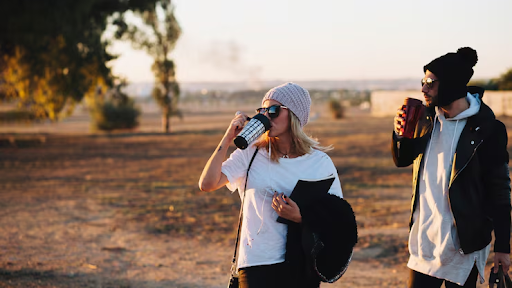
Photography trips represent more than vacations—they’re transformative experiences that combine photographic development, wildlife encounters, immersion in the natural environment, and community connection. Whether traveling to photograph tropical birds, African wildlife, or alpine landscapes, specialized photography trips provide structure, expertise, and access that independent travel cannot match. Understanding what distinguishes quality photography trips helps enthusiasts select experiences delivering genuine learning and remarkable results.
Why Dedicated Photography Trips Differ From Standard Tourism
Standard tourism prioritizes seeing attractions and collecting experiences; photography trips prioritize capturing compelling images while understanding photographic principles. This distinction fundamentally changes trip planning, pacing, and objectives. Photography trips invest time positioning for optimal shots, waiting for ideal lighting, understanding subject behavior—activities regular tourism considers inefficient.
Pacing and Timing Optimization
Photography trips coordinate schedules around optimal light and wildlife activity rather than tourist infrastructure. Early morning departures capture golden light; extended sessions during active wildlife periods maximize opportunities. This alignment with natural rhythms creates better results than tourism schedules.
Expert Local Guides
Professional photography trip guides understand wildlife behavior, location characteristics, seasonal variations, and photographic possibilities. This expertise enables guides positioning photographers for opportunities, suggesting compositional approaches, and explaining ecological context.
Small Group Dynamics
Dedicated photography groups maintain manageable sizes—typically 6-12 photographers—enabling mutual support, collaborative problem-solving, and personalized guidance. Small groups prevent competition, enable equipment sharing, and facilitate genuine community.
Essential Components of Quality Photography Trips
Expert Instruction and Mentorship
Quality trips include professional photographers providing instruction—technical guidance, compositional feedback, behavior interpretation. Mentorship accelerates learning compared to independent photography.
Carefully Selected Locations
Locations impact trip success dramatically. Premium trips access locations hosting remarkable wildlife, varied photographic conditions, and minimal tourism pressure. Established operators develop relationships with local communities enabling optimal access.
Ethical Wildlife Practices
Responsible photography trips emphasize wildlife welfare. Guides maintain safe distances, avoid stress-inducing behavior, respect seasonal constraints, and minimize environmental impact. Ethical practices enable sustainable tourism.
Comfortable Accommodations
While some photographers accept basic accommodations, quality trips provide comfortable lodging supporting rejuvenation between shooting sessions. Adequate rest, good meals, and relaxing environments enable sustained photography efforts.
Reliable Transportation and Logistics
Professional trip operators manage complex logistics—flights, ground transportation, permits, insurance. Reliable logistics eliminate stress enabling photographers focusing on their craft.
Photography Trip Destinations and Subjects
Tropical Rainforest Experiences
Rainforest trips photograph birds, insects, and mammals in lush environments. Biodiversity intensity, color saturation, and extraordinary subjects attract photographers seeking tropical images.
African Safari Expeditions
African wildlife trips photograph megafauna—lions, elephants, leopards—in iconic landscapes. Dramatic wildlife behavior and vast wilderness create powerful images.
Coastal and Marine Environments
Coastal trips photograph seabirds, marine life, and seascapes. Dramatic light, dynamic subjects, and varied photographic challenges appeal to diverse photographers.
Specialized Subject Focus
Some trips emphasize particular subjects—bird photography, macro insects, reptiles. Specialization enables deep expertise and maximizes specialist opportunities.
Skill Development Through Photography Trips
Behavior Understanding
Extended wildlife observation teaches photographers reading animal behavior—recognizing stress signals, predicting activities, understanding ecological relationships. This knowledge enables anticipating remarkable moments.
Composition Development
Professional photographers develop compositional sense through extensive practice in varied conditions. Photography trips accelerate this development through intensive shooting and expert feedback.
Technical Problem-Solving
Challenging conditions—variable light, extreme subjects, rugged terrain—teach photographers to adapt techniques. Real-world problem-solving develops flexibility exceeding theoretical knowledge.
Post-Processing Workflow
Many photography trips include processing instruction—editing approaches, workflow optimization, and style development. Integrated processing instruction creates comprehensive learning.
The Community Aspect of Photography Trips
Shared Passion Connection
Photographers on dedicated trips share a genuine passion. Unlike general tourists, photography trip participants understand each other’s commitment, creating an authentic community.
Peer Learning and Collaboration
Photographers help each other—spotting subjects, offering compositional suggestions, and troubleshooting equipment issues. A collaborative atmosphere creates positive experiences.
Friendship Development
Intensive shared experiences frequently develop into lasting friendships. Many photographers maintain relationships years after trips, creating ongoing photography communities.
Motivation and Accountability
Group participation provides motivation—shared excitement, celebrating successes, mutual encouragement. Group dynamics sustain commitment through challenging moments.
Practical Considerations for Photography Trip Planning
Budget Allocation
Photography trips vary dramatically in cost. Understand what’s included—guides, accommodations, transportation, instruction. Compare value rather than price alone.
Equipment Decisions
Determine appropriate equipment—balancing capability against weight and complexity. Many trips accommodate varied equipment levels; understand specific requirements.
Physical Preparation
Assess trip physical demands—hiking distances, climate tolerance, altitude considerations. Appropriate preparation prevents disappointment or injury.
Insurance and Documentation
Confirm travel insurance covers photography equipment. Understand visa requirements, permits, health considerations for destinations.
Pre-Trip Preparation
Competent preparation—studying destination locations, understanding likely subjects, reviewing technical approaches—maximizes trip value.
Sustainable Tourism and Conservation
Responsible photography trips support conservation—contributing to habitat protection, supporting local communities, educating about endangered species. Photography tourism, when ethical, provides economic incentives for habitat preservation.
Overcoming Participation Barriers
Cost Considerations
Quality trips require investment. However, accelerated learning, remarkable images, and lasting memories justify investment for many photographers.
Time Commitment
Multi-week trips challenge work and family obligations. Shorter trips or off-season planning enable participation for time-constrained photographers.
Physical Demands
Assess your fitness and health capabilities. Professional trip operators accommodate varied abilities; honest self-assessment prevents overcommitment.
Technical Concerns
While equipment matters, modern cameras from various manufacturers perform adequately. Familiarity with existing equipment exceeds upgrading for trips.
Selecting Your Ideal Photography Trip
Research Operator Reputation
Investigate trip operators—past participant reviews, photographer endorsements, conservation commitments. Reputation directly affects trip quality.
Match Interests and Skill Level
Ensure trips match your photographic interests and skill levels. Beginner-focused trips differ substantially from advanced expeditions.
Understand Curriculum
Review what instruction is included, expertise levels of guides, learning opportunities. Clarify expectations versus reality.
Conclusion
Photography trips represent transformative experiences combining photographic development, wildlife immersion, and authentic human connection. Professional guidance, carefully selected locations, and small group dynamics create environments maximizing learning and remarkable image capture. Whether pursuing wildlife photography advancement or discovering latent passions, quality photography trips deliver results and experiences justifying investment and time commitment.