
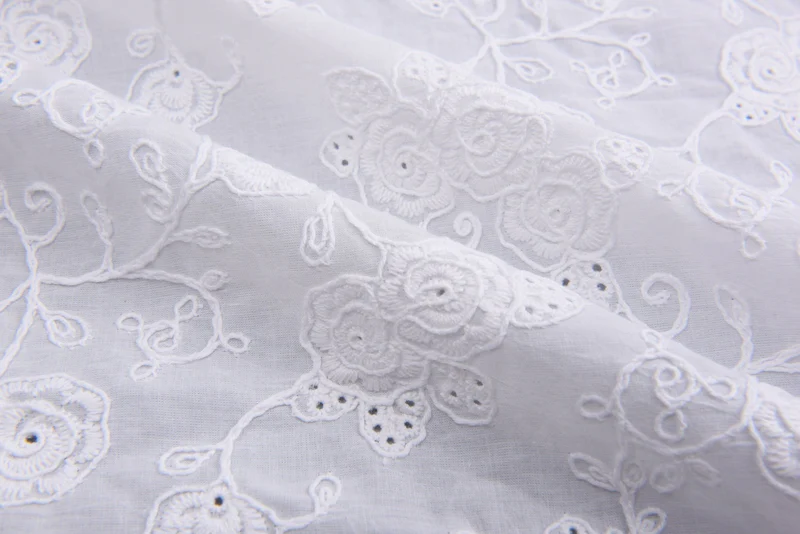
Chenille fabrics are widely appreciated in the textile industry for their plush texture and soft, luxurious feel. Known for their rich pile and distinctive fuzzy appearance, these fabrics have found applications in fashion, upholstery, and home décor. The unique construction of chenille allows it to combine durability with comfort, making it a versatile choice for both practical and decorative purposes.
One of the main reasons designers and artisans favor Chenille Fabrics is their tactile appeal. The fabric is created by placing short lengths of yarn between two core yarns and then twisting them together, which produces a soft, velvety pile. This process not only enhances the aesthetic quality but also provides a texture that is pleasing to the touch. Chenille’s distinct feel and appearance make it ideal for creating statement pieces in interior design and fashion.
Versatility and Applications
Chenille fabrics are incredibly versatile. In home décor, they are often used for upholstery, such as sofas, chairs, and cushions, due to their durability and luxurious texture. Their softness adds comfort to seating, while their rich surface enhances visual appeal. Chenille also performs well in decorative throws, blankets, and curtains, providing warmth and a plush, inviting look.
In fashion, chenille is favored for sweaters, cardigans, scarves, and other garments that benefit from a soft and cozy texture. The fabric drapes well, accommodates intricate knitting or embroidery, and adds an element of elegance to casual or formal attire. Designers often use chenille to combine comfort and style, producing pieces that are both functional and visually appealing.
Understanding the Fabric Construction
The construction of chenille contributes significantly to its qualities. The short pile, produced by cutting the yarn, gives the fabric its soft, velvety surface. Additionally, chenille can be made from various fibers, including cotton, polyester, and blends, allowing for customization of texture, weight, and durability. For example, cotton chenille provides breathability and natural softness, while polyester variants are more resistant to wear and easier to maintain.
Chenille fabrics are also available in various weaves and pile heights, which affect the fabric’s look and feel. A higher pile results in a plush, luxurious surface, ideal for decorative accents, while a lower pile is better suited for apparel or high-traffic upholstery where durability is essential.
Aesthetic Appeal and Design Potential
One of the defining characteristics of chenille is its ability to catch light and create subtle variations in color and texture. This quality enhances the visual depth of the fabric, making it suitable for both monochromatic and patterned designs. The soft, fuzzy surface adds dimension to garments, cushions, and drapes, elevating the overall aesthetic of any project.
Chenille fabrics also lend themselves to a variety of creative techniques. Embroidery, appliqué, and other embellishments work well on chenille surfaces, allowing designers to explore texture, pattern, and contrast. Its combination of softness and structure makes it a reliable canvas for artistic textile work.
Maintenance and Durability
While chenille is soft and textured, it is also durable when properly maintained. Regular care, such as gentle cleaning and avoiding excessive friction, helps preserve the pile and prevent shedding. Depending on the fiber content, chenille can be machine washed or dry cleaned, ensuring that both garments and home décor items maintain their beauty over time. Its resilience and tactile appeal make it a long-lasting choice for a variety of applications.
Conclusion
Chenille Fabrics offer a unique combination of softness, texture, and versatility that makes them highly desirable in both fashion and home décor. With their plush surface, aesthetic depth, and durability, chenille fabrics provide designers and artisans with the perfect medium for creating luxurious and comfortable pieces. Understanding their construction, applications, and maintenance requirements allows crafters to make the most of this versatile material, resulting in creations that are as enduring as they are visually appealing.