
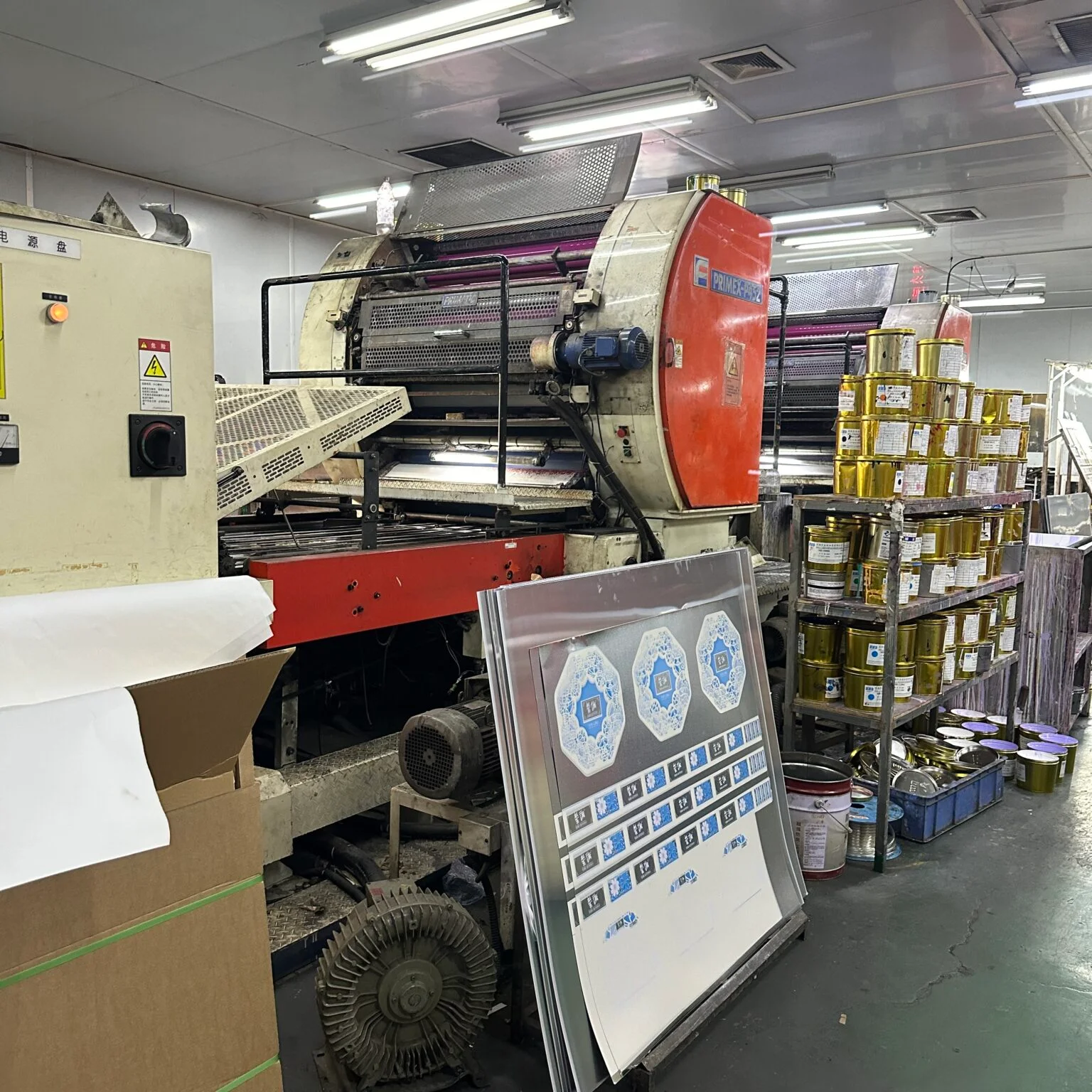
In an era where packaging speaks louder than words, the design and branding of a product’s container play a decisive role in capturing consumer attention. From sleek tins for gourmet food to sturdy metal cases for luxury items, metal containers have evolved far beyond simple packaging. They are now a canvas for creativity, a statement of quality, and an essential part of a brand’s identity.
Why Metal Containers Stand Out
Metal packaging is associated with durability, sustainability, and elegance. Unlike plastic or cardboard, metal maintains its form and finish over time, protecting the contents from light, moisture, and air. This makes it an excellent choice for industries ranging from food and beverages to cosmetics and home décor. Moreover, the metallic surface itself conveys a premium look that elevates the perceived value of the product.
Another reason metal containers stand out is their reusability. Consumers tend to keep beautifully designed tins for storage or decoration, allowing brands to stay visible long after the product has been consumed. This extended shelf life gives brands an edge in building long-term recognition.
The Power of Visual Identity
Visual design is the bridge between a brand and its audience. When done right, it communicates values, personality, and promise — all in a glance. Metal packaging provides a unique opportunity to express this visual identity through finishes like matte, gloss, or brushed metal effects. Each surface treatment tells a different story, appealing to specific consumer emotions.
Whether it’s a minimalist design with soft metallic hues or an intricate print full of vibrant patterns, the goal remains the same: to make the brand unforgettable. That is where the importance of custom branding on metal containers becomes evident. It allows companies to align aesthetics with brand values and create an instantly recognizable look that sets them apart in a crowded market.
Techniques Used in Custom Branding
Branding metal containers requires precision and artistry. The process goes beyond simply printing a logo; it involves choosing the right method that complements the product’s image and material. Some of the most popular techniques include:
1. Lithographic Printing
Also known as offset printing, lithography is ideal for achieving detailed, high-resolution designs. It allows multiple colors and gradients, making it perfect for elaborate artwork or branding that requires photo-quality visuals.
2. Screen Printing
Screen printing offers vibrant and durable colors that adhere well to metal surfaces. It’s often used for bold logos or designs with limited color palettes. This method is especially effective for cylindrical or curved containers.
3. Embossing and Debossing
These techniques involve pressing a design into the metal to create raised (embossed) or recessed (debossed) patterns. They add texture and dimension to the surface, giving the packaging a tactile and luxurious appeal.
4. Laser Engraving
Laser engraving is a precise and eco-friendly technique that creates permanent markings on metal surfaces. It’s popular for high-end or limited-edition products, as it offers a clean, modern, and sophisticated appearance.
5. Digital Printing
This method is gaining popularity due to its flexibility and cost-efficiency for smaller batches. It supports quick design changes and allows brands to experiment with seasonal or personalized themes without committing to large-scale production.
Sustainability and Consumer Perception
Sustainability is no longer optional — it’s a key expectation. Consumers today prefer brands that prioritize eco-friendly packaging. Metal, being 100% recyclable and reusable, fits perfectly into this movement. By opting for custom-branded metal containers, companies not only reinforce their environmental commitment but also align with consumer values of longevity and waste reduction.
Additionally, sustainable branding influences purchasing decisions. Studies show that consumers are more likely to buy from brands that demonstrate responsibility toward the environment. A well-designed metal package, therefore, serves both as a marketing tool and a symbol of ethical practice.
Minimalism and Modern Design Trends
Modern branding trends are leaning towards simplicity and authenticity. Instead of cluttered graphics and loud colors, brands are adopting minimalist aesthetics — clean typography, limited color palettes, and subtle metallic accents. This design philosophy not only enhances readability but also gives a sense of refinement and trustworthiness.
For instance, matte black or brushed silver tins with crisp, minimal logos instantly convey sophistication. The idea is to let the quality of the product and the integrity of the material speak louder than exaggerated visuals.
The Role of Packaging in Consumer Experience
A well-branded metal container does more than just hold a product; it creates an experience. The tactile feel, the sound of opening a tin, the shine of the surface — all these sensory elements contribute to the overall perception of value. Consumers often associate such experiences with exclusivity, making them more likely to remember and recommend the product.
Moreover, packaging influences purchasing behavior subconsciously. A well-designed metal container can evoke emotions such as nostalgia, trust, or excitement — emotions that translate into loyalty. When customers reuse the container, they continue interacting with the brand even after purchase, reinforcing brand recall over time.
Customization and Brand Storytelling
Every brand has a story, and metal packaging provides a medium to tell it visually. From engraved messages to signature color schemes, every design decision reflects a piece of that story. The texture of the metal, the curve of the lid, and the print on the surface all work together to narrate who the brand is and what it stands for.
Customized branding ensures that no two products look the same. Whether it’s a limited-edition collector’s tin or a personalized container for a gift set, customization creates exclusivity — a quality consumers admire and are often willing to pay more for.
Challenges and Considerations
While the benefits are numerous, branding on metal also comes with challenges. The process can be costlier than traditional materials, especially for intricate designs or small-scale runs. Additionally, brands need to carefully consider color accuracy since printing on reflective surfaces can alter the final appearance.
However, with advancements in printing technology and materials, these challenges are becoming easier to manage. Today’s techniques allow for incredible precision, vibrant results, and cost-effective customization even for mid-sized production volumes.
Final Thoughts
In a marketplace where first impressions matter more than ever, custom-branded metal containers have become an essential element of modern packaging strategy. They combine functionality with aesthetics, tradition with innovation, and sustainability with luxury.
From protecting what’s inside to projecting a powerful brand image outside, metal packaging is more than just a vessel — it’s a storyteller, a marketing tool, and a piece of art that connects the brand to its audience in lasting ways.