
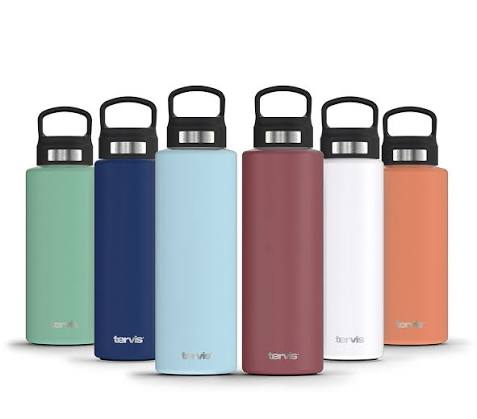
Selecting the right manufacturing partner is an important decision for businesses that sell, distribute, or customize drinkware products. Whether a company focuses on stainless steel tumblers, reusable water bottles, insulated mugs, or glass cups, the quality of its manufacturing partner can directly influence product performance, customer satisfaction, and business reputation.
A professional Drinkware Manufacturer should offer more than competitive pricing. Businesses need to evaluate production capabilities, material standards, customization services, quality assurance, and delivery reliability before entering into a manufacturing agreement. Understanding these factors can help buyers identify suppliers that match their operational requirements and long-term business goals.
1. Manufacturing Experience and Technical Knowledge
Industry experience is one of the first factors worth evaluating. Manufacturers with a strong understanding of drinkware production are generally better equipped to handle different product designs, materials, and manufacturing challenges.
Technical knowledge is particularly important when sourcing specialized products. For example, producing vacuum-insulated stainless steel bottles requires different equipment and processes from manufacturing plastic cups or glass drinkware.
Before selecting a supplier, consider:
- How long the company has been involved in drinkware production.
- Whether it specializes in particular product categories.
- Its experience with customized and large-volume orders.
- Its knowledge of relevant manufacturing technologies.
- Its ability to address technical production challenges.
A manufacturer’s experience should be supported by practical evidence, such as product samples, manufacturing information, and previous project examples.
2. Material Quality and Safety Standards
The materials used in drinkware manufacturing determine product durability, usability, and suitability for different applications. Poor material selection can lead to corrosion, unpleasant odors, surface damage, or other performance issues.
Common materials include stainless steel, glass, plastic, and silicone. Each has different properties and should be selected according to the intended product design.
For example, stainless steel is popular for reusable bottles because of its strength and corrosion resistance. Glass is often preferred for its transparent appearance, while suitable plastics provide lightweight and convenient options.
Businesses should ask manufacturers about material grades, food-contact suitability, and available testing documentation. They should also verify that products meet the regulatory requirements of their intended markets.
3. Product Range and Manufacturing Capabilities
A professional manufacturer should have the capabilities to produce products that match your business requirements. A broad product range can be beneficial for companies that want to develop multiple drinkware categories through one manufacturing relationship.
Depending on the supplier, available products may include:
- Stainless steel water bottles
- Insulated tumblers and travel mugs
- Reusable drinking cups
- Glass bottles and cups
- Plastic drinkware
- Promotional and customized drinkware
However, product variety alone does not demonstrate manufacturing strength. Buyers should also examine the equipment, production processes, and technical resources available for each category.
It is useful to determine whether the manufacturer produces products directly or relies heavily on external production partners.
4. Customization and Private Label Services
Customization allows businesses to create products that reflect their brand identity and appeal to specific customer groups. This is especially relevant for retailers, corporate gifting companies, promotional product distributors, and private-label businesses.
A capable manufacturer should provide customization options based on product materials and design requirements.
Common services include:
- Logo printing and laser engraving
- Custom product colors
- Unique shapes and dimensions
- Specialized surface finishes
- Customized lids and accessories
- Branded retail packaging
Ask about available printing techniques and minimum order quantities for customized products. It is also important to understand whether the manufacturer can reproduce the same design consistently across repeat orders.
Reviewing customized samples before approving bulk production can help prevent branding and finishing problems.
5. Quality Control and Inspection Procedures
Consistent quality is essential when purchasing drinkware in commercial quantities. Products with manufacturing defects can increase return rates, damage customer trust, and create additional operating expenses.
A professional supplier should maintain quality control procedures throughout the production process rather than relying exclusively on final inspections.
Important inspection activities may include:
- Checking incoming raw materials.
- Monitoring production dimensions and specifications.
- Inspecting welding and surface finishing.
- Testing lids and sealing components.
- Checking leakage resistance.
- Evaluating insulation performance where applicable.
- Inspecting finished products before packaging.
Businesses should ask how defects are recorded, handled, and prevented in future production batches.
Clear acceptance criteria should also be established before placing an order so both parties understand the expected quality level.
6. Production Capacity and Order Flexibility
Production capacity determines whether a manufacturer can meet your current purchasing requirements and accommodate future growth.
A supplier may be suitable for smaller orders but struggle when demand increases. Therefore, businesses should evaluate available manufacturing resources, workforce capacity, equipment, and production scheduling.
Minimum order quantity (MOQ) is another important consideration. Some manufacturers require substantial quantities, while others may accommodate smaller production runs depending on the product and customization requirements.
Discuss the following points before making a decision:
- Standard and customized order quantities
- Monthly production capacity
- Ability to manage repeat orders
- Flexibility during seasonal demand
- Production scheduling and lead times
A manufacturer with realistic capacity planning can help businesses maintain inventory without unnecessary delays.
7. Pricing Transparency and Overall Value
Pricing is an important part of supplier evaluation, but the cheapest quotation is not necessarily the most economical option. Differences in material specifications, manufacturing methods, packaging, and inspection procedures can significantly influence product value.
Request detailed quotations from potential manufacturers and compare the complete cost structure.
Consider the following expenses:
- Product manufacturing cost
- Customization and printing charges
- Mold development or tooling costs
- Packaging expenses
- Sample production fees
- Shipping and applicable import costs
Businesses should also clarify payment terms, deposit requirements, and policies for additional charges.
A transparent quotation makes it easier to calculate profit margins and identify suppliers offering reasonable value without compromising essential quality requirements.
8. Certifications and Regulatory Compliance
Drinkware products are often used for direct contact with beverages, so compliance with relevant safety requirements is essential.
A manufacturer should be able to explain which standards apply to its materials and products. Depending on the destination market, requirements may involve food-contact material regulations, chemical testing, and product-specific safety assessments.
Buyers should request relevant documentation and verify its validity and scope. A certificate covering one material or product category should not automatically be assumed to apply to every item offered by the manufacturer.
This is particularly important for companies supplying supermarkets, hospitality businesses, and international retail markets.
9. Research the Manufacturer’s Reputation
A supplier’s reputation can provide useful insight into its business practices and ability to meet customer expectations.
Before entering into an agreement, research the company’s background and look for independent customer feedback. Product reviews, business references, case studies, and previous manufacturing projects can help establish a more complete picture.
Pay particular attention to feedback concerning:
- Product consistency
- Order fulfillment
- Communication quality
- Delivery performance
- Handling of defective products
- After-sales assistance
Where possible, request references from existing business customers. Direct feedback can reveal practical information that may not be available in marketing materials.
10. Communication and Professional Support
Clear communication helps ensure that product requirements are understood and manufacturing activities remain organized.
A professional supplier should respond to inquiries, explain technical details, and provide accurate updates throughout the ordering process.
Communication is especially important when businesses require customized products or operate across international markets.
Before selecting a manufacturer, assess whether its representatives can provide clear information about product specifications, production schedules, pricing, and quality expectations.
Also, establish a reliable communication channel for handling urgent questions and resolving unexpected production issues.
11. Delivery Reliability and Logistics Management
Even high-quality drinkware products have limited commercial value if they cannot be delivered on schedule. Delayed shipments can affect inventory planning, promotional campaigns, retail launches, and customer commitments.
Ask potential manufacturers about their standard production lead times, packaging procedures, and shipping arrangements.
Important logistics considerations include:
- Estimated production completion dates
- Packaging methods for different materials
- Domestic and international shipping options
- Export documentation requirements
- Order tracking and shipment updates
- Procedures for damaged or missing goods
For international purchases, businesses should also clarify shipping responsibilities, applicable customs charges, and delivery terms before confirming an order.
12. Sample Availability and Product Evaluation
Product samples offer a practical way to assess manufacturing quality before investing in a large order.
Photographs and specifications can provide useful information, but they cannot fully demonstrate product weight, finishing quality, comfort, or component functionality.
When evaluating samples, check:
Material quality: Examine the product’s construction, surface condition, and overall finish.
Functionality: Test lids, handles, seals, and other moving or removable components.
Durability: Look for signs of weak construction, poor finishing, or easily damaged parts.
Design accuracy: Compare dimensions, colors, and branding against the approved specifications.
Cleaning convenience: Consider whether the product is easy to maintain during regular use.
For customized products, always evaluate a sample that reflects the intended production design.
13. After-Sales Service and Long-Term Cooperation
The relationship with a manufacturer should not end when the products leave the factory. After-sales support is important for resolving quality concerns, discussing replacement components, and managing future orders.
Before signing an agreement, ask how the supplier handles defective products, warranty claims, and customer complaints.
It is also useful to understand whether the manufacturer can maintain product specifications over multiple production cycles. Consistency is particularly important for businesses that sell branded drinkware collections.
A dependable manufacturing relationship can simplify purchasing, improve product development, and reduce the time spent searching for alternative suppliers.
Common Mistakes to Avoid During Supplier Selection
Businesses sometimes focus too heavily on price or product appearance and overlook other important manufacturing considerations.
Avoid these common mistakes:
- Ignoring material specifications: Similar-looking products may use materials with very different performance characteristics.
- Skipping sample testing: Ordering in bulk without evaluating samples increases the risk of receiving unsuitable products.
- Overlooking production capacity: A supplier may not have enough resources to handle larger orders.
- Assuming certifications cover everything: Always verify documentation for the specific product and material.
- Failing to confirm customization details: Unclear branding instructions can result in inconsistent finished products.
- Neglecting delivery terms: Uncertain shipping arrangements can disrupt inventory planning.
- Choosing without researching reputation: Independent feedback can reveal potential reliability concerns.
Taking a structured approach to supplier evaluation helps businesses avoid these problems and make more confident sourcing decisions.
Conclusion
Selecting a professional drinkware manufacturing partner requires careful consideration of experience, material quality, production capabilities, customization options, quality control, pricing, and logistics. Each factor contributes to the reliability and commercial suitability of the finished products.
Businesses should evaluate potential suppliers through product samples, technical discussions, compliance documentation, and clear quotations. They should also consider communication, after-sales support, and the manufacturer’s ability to maintain consistent production standards.
By looking beyond initial costs and focusing on long-term value, companies can establish dependable manufacturing relationships that support product quality, customer satisfaction, and sustainable business growth.