
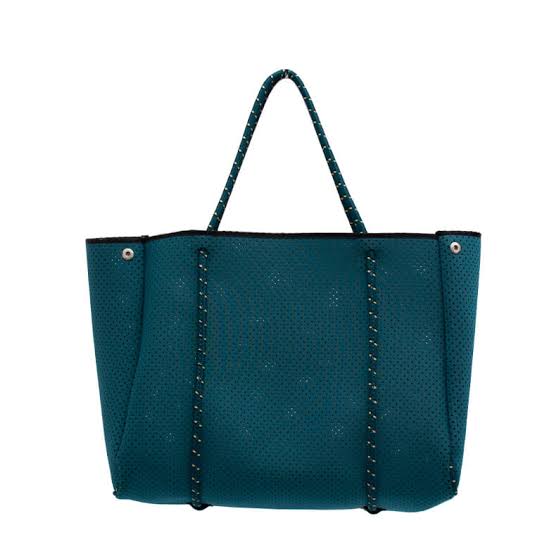
When purchasing neoprene bags, buyers generally have two options: ordering in bulk from a wholesale supplier or buying individual products through retail channels. Both approaches offer different advantages depending on the quantity required, budget, customization needs, and intended use. Understanding these differences can help businesses and individual customers make more cost-effective purchasing decisions.
For retailers, distributors, and organizations that need multiple bags, Neoprene Bag Wholesale purchasing can provide opportunities to reduce unit costs and maintain consistent inventory. Retail purchasing, on the other hand, is often more convenient for people who need only one or a few products. The better option depends on the buyer’s priorities rather than price alone.
Understanding Wholesale and Retail Purchasing
Wholesale purchasing involves buying products in larger quantities, usually directly from manufacturers or distributors. Suppliers commonly offer lower per-unit prices because they process larger orders at once. Minimum order quantities may apply, and buyers might have to arrange storage and inventory management.
Retail purchasing involves buying individual products or smaller quantities through online stores, shops, or other consumer-facing sellers. Prices are generally higher per item because they include retail operating costs, packaging, marketing, and distribution expenses. However, customers benefit from flexibility and the ability to purchase only what they need.
Comparing the Cost Per Bag
Price is one of the most important differences between wholesale and retail purchasing.
Wholesale suppliers often provide volume-based pricing. As order quantities increase, the cost per bag may decrease. This can be particularly valuable for retailers planning to resell products or businesses purchasing bags for employees, promotional campaigns, or events.
Retail prices are usually fixed or subject to occasional discounts. Although individual products may cost more, buyers avoid committing to large quantities and tying up money in unused inventory.
For a fair comparison, buyers should consider the complete purchase cost rather than looking only at the listed price.
| Cost factor | Wholesale purchasing | Retail purchasing |
|---|---|---|
| Unit price | Usually lower for larger orders | Generally higher |
| Order quantity | Often requires minimum quantities | Usually flexible |
| Shipping | May involve bulk freight costs | Often simpler for small packages |
| Customization | More options may be available | Usually limited |
| Storage | Buyer may need storage space | Minimal storage commitment |
| Initial investment | Typically higher | Typically lower |
Benefits of Buying Neoprene Bags Wholesale
Wholesale purchasing can offer several advantages for buyers with ongoing or large-scale requirements.
Lower Unit Costs
Ordering multiple bags together can reduce the average cost of each product. This allows retailers to improve their potential profit margins or organizations to manage purchasing budgets more efficiently.
However, buyers should compare quotations carefully. A low unit price may not represent the best overall deal if shipping, customization, packaging, or other charges are significant.
Consistent Product Supply
Businesses that sell neoprene bags need dependable inventory. Wholesale orders can help retailers maintain stock and reduce the frequency of repeat purchases.
Placing larger orders may also make it easier to coordinate product specifications, colors, and designs across different batches. Buyers should confirm production capacity and delivery schedules before placing an order.
Greater Customization Opportunities
Wholesale orders may provide access to customization options such as:
- Custom colors and patterns
- Printed logos and brand graphics
- Different bag sizes and shapes
- Special compartments and closures
- Customized labels and packaging
These options can help businesses develop products that match their target market. The availability of each feature depends on the supplier, order quantity, and production requirements.
Advantages of Retail Purchasing
Although wholesale orders can reduce unit costs, retail purchasing remains a practical choice in many situations.
No Large Order Commitment
Retail customers can buy a single neoprene bag without meeting a minimum order requirement. This is useful for people who want to test a product before making a larger investment.
Small businesses can also use retail purchases to evaluate materials, dimensions, stitching, and overall construction before selecting a supplier for future bulk orders.
Immediate Purchasing Convenience
Retail products are often available for direct purchase through stores and online platforms. Buyers can compare different styles, complete an order, and receive a small shipment without arranging a larger production run.
This convenience can be important when a bag is needed quickly or when purchasing decisions involve only a few products.
Lower Upfront Spending
Buying one or two bags requires less initial capital than placing a wholesale order. Customers do not need to pay for excess inventory or allocate additional space for storage.
For occasional users, paying a higher price per bag may be more economical than purchasing a large quantity that will not be used.
Which Option Is Better for Different Buyers?
The right purchasing method depends on the buyer’s needs, business model, and expected product demand.
Retailers and resellers: Wholesale purchasing is often more suitable because lower unit costs can support competitive retail pricing and healthier margins. They should consider expected sales volume before deciding how much inventory to order.
Corporate buyers: Companies purchasing bags for employees, promotional activities, or events may benefit from wholesale pricing and customized branding.
Small businesses: New businesses may prefer starting with samples or small retail purchases to assess product quality. Once demand becomes clearer, they can explore bulk ordering.
Individual customers: Retail purchasing is generally more practical for personal use because it avoids minimum order quantities and unnecessary inventory.
Event organizers: Wholesale orders can be useful when multiple matching bags are required for participants, guests, or promotional giveaways.
Hidden Costs Buyers Should Consider
A wholesale quotation may appear attractive, but the total cost can change once additional expenses are included. Buyers should review the complete pricing structure before making a decision.
Important costs may include:
- Shipping and freight: Large shipments can involve transportation, handling, and delivery charges.
- Import duties and taxes: International orders may require additional customs payments depending on the destination.
- Customization fees: Special printing, materials, labels, or packaging may increase production costs.
- Storage expenses: Businesses purchasing large quantities may need suitable warehouse space.
- Unsold inventory: Products that remain in storage can reduce profitability and tie up working capital.
- Quality issues: Defective products, inconsistent specifications, or replacement requirements can create unexpected expenses.
Retail buyers should also consider delivery charges, return policies, and the potential cost of replacing a product that does not meet their expectations.
How to Evaluate a Wholesale Supplier
Choosing a suitable supplier is essential when purchasing neoprene bags in bulk. A competitive price is valuable, but product quality and reliable service are equally important.
Before placing an order, consider the following points:
- Material quality: Check the neoprene thickness, flexibility, surface finish, and overall feel.
- Construction: Examine stitching, seams, handles, zippers, and other components.
- Product samples: Request samples when possible to evaluate quality before approving a larger order.
- Customization capabilities: Confirm whether the supplier can meet your requirements for colors, logos, dimensions, and packaging.
- Production capacity: Make sure the manufacturer can handle the required quantity within the expected timeframe.
- Communication: Choose a supplier that provides clear quotations, product specifications, and order updates.
- Quality control: Ask how products are inspected before shipment and how defects are handled.
Getting written confirmation of specifications and delivery expectations can help prevent misunderstandings during production.
Making the Right Purchasing Decision
Wholesale purchasing generally offers better value when buyers need large quantities, have predictable demand, and can manage inventory effectively. Lower per-unit costs, customization opportunities, and consistent stock availability can make it a practical choice for retailers and organizations.
Retail purchasing is often the better option when flexibility, convenience, and low upfront spending matter more than the unit price. It allows customers to buy smaller quantities, test products, and avoid unnecessary storage commitments.
Before deciding, estimate the quantity required, compare complete costs, and consider how frequently the bags will be used or sold. A carefully calculated purchase can provide better value than simply choosing the lowest advertised price.
Conclusion
Neoprene bag wholesale and retail purchasing serve different needs. Wholesale orders can provide cost advantages and customization opportunities for businesses with sufficient demand, while retail purchases offer flexibility and convenience for individual customers and small-scale buyers.
The best choice depends on order volume, budget, product requirements, and inventory capacity. By comparing unit prices alongside shipping, quality, customization, and storage costs, buyers can select the purchasing method that delivers the most practical long-term value.