
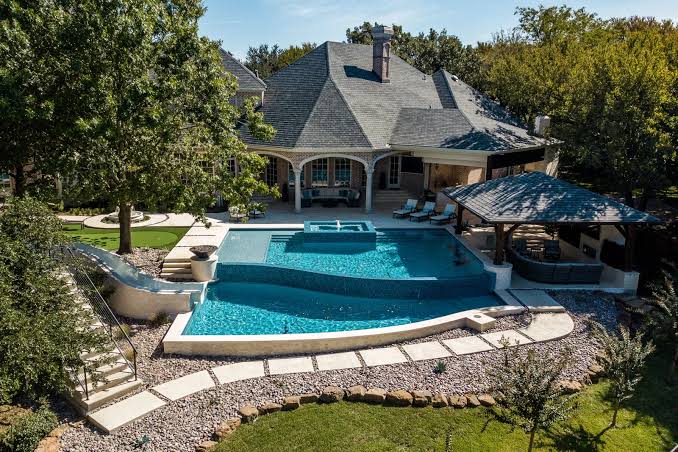
Modern residential properties often emphasize clean architecture, functional outdoor spaces, and features that improve everyday comfort. A swimming pool can complement these elements by creating a relaxing retreat, supporting physical activity, and enhancing the connection between indoor and outdoor living areas. The right design depends on the property’s layout, architectural style, and the homeowner’s lifestyle.
A thoughtfully planned Custom Swimming Pool can be adapted to different residential settings, from compact urban backyards to spacious contemporary homes. By combining suitable dimensions, durable materials, efficient equipment, and carefully selected design features, homeowners can create a pool that balances visual appeal with practical performance.
1. Minimalist Swimming Pool Designs
Minimalist pools are well suited to modern homes that feature simple lines, neutral colors, and uncluttered outdoor spaces. Rectangular shapes, understated finishes, and carefully aligned edges help create a clean and balanced appearance.
These pools often use a limited selection of materials, such as concrete, stone, or contemporary paving. Reducing unnecessary decorative elements also makes it easier to maintain a consistent visual style throughout the outdoor area.
For the best results, coordinate the pool’s dimensions and orientation with the home’s exterior walls, windows, and patio layout. This approach creates a cohesive design rather than making the pool feel like a separate addition.
2. Compact Pools for Small Residential Properties
Limited outdoor space does not necessarily prevent homeowners from enjoying a swimming pool. Compact designs can provide opportunities for relaxation, cooling off, and light exercise without taking up the entire backyard.
Several options are worth considering:
- Plunge pools: Small pools designed primarily for cooling off and relaxation.
- Narrow lap pools: Long, slim layouts that support swimming exercise in restricted spaces.
- Geometric pools: Simple square or rectangular designs that use available space efficiently.
- Small courtyard pools: Compact features integrated into enclosed outdoor areas.
When planning a small pool, consider access paths, drainage, equipment placement, and seating requirements. A well-organized layout can make a limited area feel more open and functional.
3. Infinity-Edge Pools for Contemporary Homes
Infinity-edge pools create the visual impression that water extends toward the surrounding landscape. They are particularly suitable for properties overlooking hills, gardens, open countryside, or other unobstructed views.
The design requires careful engineering because the overflow edge, collection basin, circulation system, and structural support must work together. Site slope and groundwater conditions can also affect installation complexity.
Although infinity edges can create a distinctive architectural feature, they are not appropriate for every property. Homeowners should evaluate construction costs, maintenance needs, and the available view before choosing this style.
4. Indoor and Outdoor Pool Concepts
Some modern homes have enough space to accommodate an indoor pool, while others benefit from a pool positioned near a covered patio or outdoor entertainment area.
Indoor pools offer greater protection from changing weather conditions, but they require appropriate ventilation, humidity control, and moisture-resistant construction. Without these measures, condensation can damage finishes and affect indoor air quality.
Outdoor pools provide natural light and an open-air atmosphere. However, their design must account for sunlight, wind exposure, seasonal temperature changes, and debris from nearby vegetation.
For homes with flexible layouts, covered outdoor swimming areas can provide a practical compromise between weather protection and an outdoor experience.
5. Natural-Looking Pool Designs
Natural-inspired pools combine modern construction with landscaping elements that create a softer, more organic appearance. Curved edges, textured stone, carefully selected plants, and subtle water features can help the pool blend with its surroundings.
This approach works well for homes that incorporate timber, natural stone, earth-toned finishes, and garden spaces. The landscaping should be selected according to local climate conditions and the amount of maintenance the homeowner can manage.
Plant placement requires particular attention. Trees with extensive root systems or plants that shed large amounts of leaves may create additional cleaning and structural concerns.
A natural aesthetic does not require sacrificing water quality. Proper filtration, circulation, and sanitization remain essential regardless of the pool’s visual style.
6. Modern Pool Finishes and Materials
Surface finishes influence a pool’s appearance, durability, and maintenance requirements. Selecting materials that complement the home’s architecture can make the overall design more cohesive.
Common choices include:
- Concrete finishes: Suitable for customized shapes, dimensions, and surface treatments.
- Ceramic or glass tiles: Useful for decorative accents, waterlines, and selected interior surfaces.
- Stone paving: Can create a sophisticated transition between the pool and outdoor living areas when the stone is appropriate for wet conditions.
- Composite decking: Offers a contemporary appearance, with performance depending on the specific product and installation.
- Textured pool surrounds: Help improve traction when the surface is properly selected for wet environments.
Material selection should consider slip resistance, heat retention, chemical exposure, weather conditions, and ease of cleaning. Samples should be reviewed in natural light because water depth and sunlight can change how pool colors appear.
7. Integrated Lighting for Evening Use
Lighting can make a swimming pool more functional and visually appealing after sunset. Underwater lights highlight the water, while surrounding fixtures improve visibility along paths, steps, and seating areas.
Modern designs often favor subtle illumination rather than excessive brightness. Recessed lights, concealed fixtures, and carefully positioned landscape lighting can complement contemporary architecture without overwhelming the space.
Safety must guide every lighting decision. Fixtures, wiring, transformers, and controls should be selected and installed by qualified professionals in accordance with applicable electrical codes for swimming pools.
Energy-efficient lighting can also reduce electricity consumption while providing consistent illumination for evening activities.
8. Pools With Integrated Seating and Relaxation Areas
A residential pool can serve more than one purpose when its design includes dedicated relaxation features. Built-in benches, shallow lounging areas, and adjacent seating spaces allow people to enjoy the pool even when they are not swimming continuously.
For households that entertain guests, a nearby patio or shaded lounge can improve the flow between swimming and social activities. Furniture should be made from materials suited to outdoor exposure and frequent contact with moisture.
Integrated features must be planned carefully so that they do not reduce usable swimming space or create unexpected changes in depth. Steps, benches, and shallow areas should be clearly visible and designed with safe access in mind.
9. Energy-Efficient Pool Systems
Modern pool design increasingly considers operating efficiency alongside appearance. Pumps, filtration equipment, heating systems, and covers can all affect long-term energy and water consumption.
Variable-speed pumps may help reduce electricity use when appropriately sized and operated. Pool covers can limit evaporation and heat loss, while efficient heating systems can improve temperature control according to local conditions.
Automation systems can manage selected functions, including pump schedules, lighting, and temperature settings. However, homeowners should compare the initial cost, maintenance requirements, and compatibility of these systems before investing.
Equipment should be selected according to the actual pool volume and expected usage. Oversized or poorly configured systems may increase operating costs without providing meaningful benefits.
10. Smart Technology for Modern Pool Management
Smart pool controls can make routine operation more convenient by allowing homeowners to monitor and adjust selected functions through connected devices.
Depending on the equipment, these systems may support scheduled filtration, lighting controls, temperature management, and alerts about certain operating conditions. Some systems also provide information about water chemistry, although sensors and automated readings still require appropriate verification and maintenance.
Before choosing smart technology, check whether it works with the planned pump, heater, lighting, and treatment equipment. Reliable connectivity, manufacturer support, and the availability of replacement components are also worth considering.
Technology should simplify pool ownership rather than introduce unnecessary complexity. A system that matches the household’s needs is generally more useful than one with features that rarely get used.
11. Pool Designs for Family-Friendly Outdoor Spaces
For families, the pool should support recreation while maintaining clear safety priorities. A suitable design may include clearly defined shallow areas, accessible steps, comfortable surrounding spaces, and good visibility from the house or patio.
The surrounding layout should leave sufficient room for movement and supervision. Non-slip paving, secure barriers, and appropriate lighting can help reduce common hazards.
If children of different ages will use the pool, discuss how its depth, entry points, and layout can accommodate their needs. Pool design alone cannot prevent drowning, so compliant barriers, active adult supervision, and suitable safety practices remain essential.
12. Integrating a Pool With Outdoor Landscaping
Landscaping helps connect a swimming pool to the home’s wider outdoor environment. Plants, pathways, lighting, privacy screens, and seating areas can create a more complete and comfortable space.
For contemporary properties, simple planting arrangements and a limited palette of materials often work well. Low-maintenance plants can reduce the time spent removing leaves and other debris from the water.
Homeowners should also consider shade, wind direction, drainage, and the mature size of trees and shrubs. These factors affect both comfort and maintenance over time.
A successful landscape plan leaves sufficient space for pool equipment, inspection access, and safe circulation around the water.
13. Planning the Budget and Construction Process
Even an attractive design must be financially and technically practical. The total budget should account for excavation, structural work, plumbing, electrical installations, filtration equipment, finishes, landscaping, permits, and safety features.
Additional expenses may arise from difficult soil conditions, limited construction access, retaining structures, or specialized equipment. A contingency allowance can help manage unexpected costs during installation.
Before hiring a contractor, request a detailed written proposal covering materials, construction stages, project timelines, payment terms, warranties, and responsibilities for obtaining permits.
It is also useful to compare maintenance costs and equipment availability. A lower initial price may not represent the best long-term value if the selected materials or systems require frequent repairs.
Conclusion
Modern residential swimming pool designs offer many possibilities, from minimalist geometric layouts and compact courtyard pools to infinity edges, natural-inspired settings, and technology-enabled systems. The most suitable option depends on the property’s available space, architectural style, intended use, and long-term maintenance budget.
By prioritizing functionality, durable materials, energy efficiency, safety, and thoughtful landscaping, homeowners can create an outdoor environment that complements their home. Careful planning and professional advice help ensure that the finished pool remains attractive, practical, and enjoyable for years to come.