
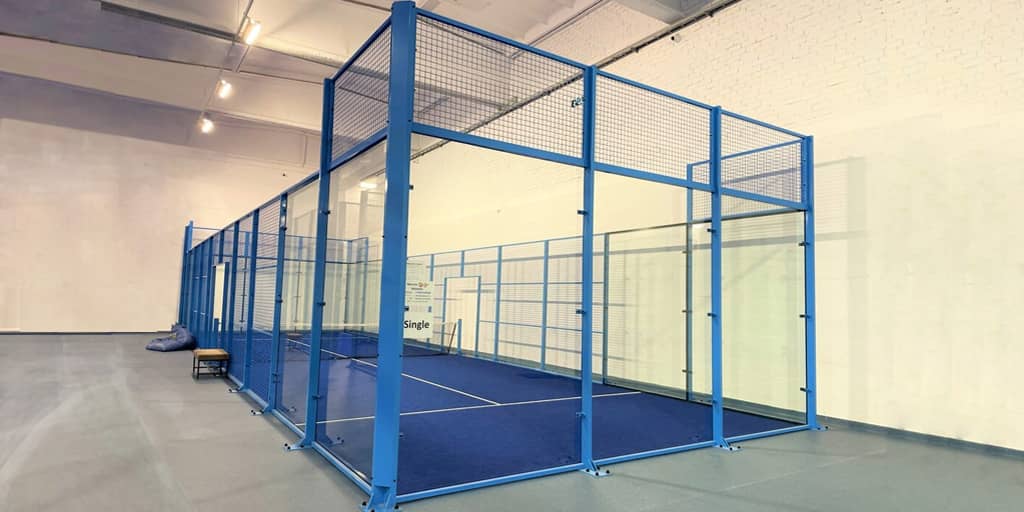
A padel court may look relatively simple from the outside, but its performance depends on many carefully engineered components working together. The steel frame, glass walls, mesh panels, artificial turf, lighting, fasteners, and drainage system all contribute to the safety and playing experience. When these components are manufactured and assembled to appropriate specifications, the finished court can provide reliable performance while standing up to frequent use.
The role of a Padel Court Manufacturer extends beyond producing individual court components. A professional manufacturer has to consider structural stability, material selection, precision, weather resistance, installation requirements, and long-term maintenance. Understanding these aspects can help facility owners appreciate why manufacturing quality matters when developing a new padel venue.
Precision Starts During the Design Stage
Before materials are cut or assembled, a padel court begins as a technical design. Dimensions, connection points, glass placement, fencing, entrances, and other structural details need to work together accurately.
Small inconsistencies in manufacturing can create problems during installation. Components that do not align correctly may require adjustments on-site, potentially increasing installation time and labor costs.
Modern manufacturing processes can help improve dimensional consistency. Technical drawings and production specifications provide a reference for fabricating individual components and ensuring that they fit together as intended.
Strong Materials Create a Stable Structure
The frame provides the main structural support for the court. It needs to hold glass panels and mesh sections securely while remaining stable during regular use.
The selection of steel or other structural materials therefore matters. Manufacturers need to consider strength, thickness, connection methods, surface treatment, and environmental exposure when developing the frame.
For outdoor installations, corrosion resistance becomes particularly important. Moisture, humidity, rain, and coastal conditions can gradually affect untreated metal.
Protective coatings and suitable surface preparation can help reduce corrosion and extend the useful life of the structure.
Glass Quality Affects Safety and Play
The glass walls are an essential part of the padel experience. Players use the walls as part of the game, so the panels are repeatedly exposed to ball impacts and occasional contact from players.
Tempered safety glass is commonly used for padel court construction because it is designed for demanding applications. However, the material itself is only one part of the equation.
The glass must also be correctly processed, inspected, transported, and installed. Improper handling can result in damage before the court is even completed.
A manufacturer should therefore have appropriate procedures for glass production, packaging, transportation, and installation support.
Fencing Completes the Court Enclosure
Mesh fencing is another important component. It defines the playing area while allowing players and spectators to see through the court.
The mesh must be securely attached to the supporting structure and should be suitable for the intended environment. Outdoor fencing needs to withstand exposure to moisture and changing temperatures, while commercial facilities may also need materials capable of handling heavy daily use.
The quality of connection points is important as well. Secure fastening helps prevent unnecessary movement, noise, and premature wear.
Turf Influences Player Movement
The playing surface has a direct relationship with how players move around the court. Artificial turf needs to provide suitable traction while allowing players to move naturally during quick changes of direction.
A quality turf system should also be selected according to the expected usage and environment. Commercial courts that operate for many hours each day may experience considerably more wear than a private recreational court.
Outdoor installations also require attention to drainage. Water needs to move through or away from the playing surface efficiently so that rainfall does not leave the court unusable for extended periods.
Drainage Should Be Part of the Planning Process
Water management is often overlooked until a problem occurs. For outdoor courts, however, drainage should be considered from the beginning.
Poor drainage can contribute to standing water, algae growth, unpleasant odors, turf deterioration, and damage to surrounding areas. It may also increase the time required for the court to become playable after rain.
A well-planned installation should account for the site’s natural slope, foundation, drainage channels, and turf system.
Manufacturers and installation teams should coordinate these requirements before construction begins.
Weather Resistance Matters Outdoors
Outdoor padel courts face changing environmental conditions throughout the year. Strong sunlight, rainfall, wind, humidity, and temperature fluctuations can affect exposed materials.
For this reason, manufacturers need to consider protective treatments for structural components and select materials suitable for outdoor use.
Facility owners should tell the manufacturer where the court will be installed and describe any unusual environmental conditions. A court intended for a dry inland climate may have different requirements from one located near the coast.
Lighting Requires Careful Engineering
For facilities operating in the evening, lighting is an essential part of the court system.
The objective is not simply to make the court bright. Light distribution needs to be considered so players can track the ball without excessive glare or distracting shadows.
The position and height of fixtures, power requirements, energy consumption, and maintenance access should all be considered during design.
LED systems can be attractive for sports facilities because of their efficiency and long operating life, but the complete lighting arrangement should be evaluated rather than focusing on the fixture alone.
Manufacturing Consistency Matters for Multiple Courts
Large padel facilities may contain several courts installed side by side. In such projects, consistency becomes especially important.
The courts should have matching dimensions, colors, structural components, glass arrangements, and playing surfaces where the project specification requires it.
A manufacturer with organized production and quality-control procedures can help maintain consistency across a larger order.
This is particularly useful for sports centers, hotels, clubs, and commercial operators that want the facility to have a uniform appearance.
Quality Control Reduces Installation Problems
Quality control should take place before components leave the factory. Checking dimensions, welds, coatings, glass, fasteners, and other parts can help identify problems before shipment.
This is important because correcting a manufacturing issue after the components have arrived at the project site can be significantly more complicated.
A systematic inspection process can reduce the likelihood of missing or incorrectly manufactured components reaching the installation stage.
Packaging Is Part of Product Quality
Even a well-manufactured court can arrive damaged if the packaging is inadequate.
Padel court components may travel long distances before reaching their final destination. Glass panels require particular protection, while steel sections and smaller hardware components need to be organized so that they can be identified easily during installation.
Good packaging should protect the materials while also making unloading and inventory checks more manageable.
Installation Support Adds Long-Term Value
Manufacturing and installation are closely connected. Even high-quality components can perform poorly if they are assembled incorrectly.
Technical drawings, installation instructions, component labels, and manufacturer support can make the process easier for local contractors.
For complex projects, technical assistance can also help installers understand foundation requirements, structural connections, glass placement, and other details.
This is one reason buyers should evaluate the support offered by a manufacturer rather than looking only at the physical products.
Maintenance Begins With Good Design
Long-term maintenance is easier when a court has been designed with accessibility and replacement in mind.
Lighting should be reachable for servicing, damaged components should be replaceable, and drainage should be accessible for cleaning.
Manufacturers can also provide maintenance recommendations covering the structure, glass, turf, fencing, and lighting.
Regular inspections allow facility operators to identify small issues before they become expensive repairs.
Durability Is More Than Material Thickness
It can be tempting to judge quality based on simple specifications such as steel thickness or glass thickness. While specifications are important, durability depends on the complete system.
Material quality, manufacturing precision, protective coatings, connection design, installation, environmental conditions, and maintenance all contribute to service life.
A thicker component is not automatically better if the rest of the system is poorly designed or installed.
Looking at the complete manufacturing approach provides a more useful picture of expected performance.
Final Thoughts
The quality of a padel court is influenced long before players step onto the finished surface. Design accuracy, structural materials, glass processing, fencing, turf, drainage, lighting, corrosion protection, quality control, packaging, and installation support all contribute to the final result.
For facility owners, understanding these manufacturing factors makes it easier to ask useful questions and compare suppliers based on more than price. A manufacturer that pays attention to both production quality and practical installation requirements can help create a court that performs reliably under regular use.
Ultimately, a durable padel court is the result of many small details being handled correctly. Careful manufacturing, professional installation, and consistent maintenance can work together to protect the investment and provide players with a dependable sporting environment for years to come.
Frequently Asked Questions
Why is manufacturing quality important for a padel court?
Manufacturing quality affects structural stability, material durability, installation accuracy, safety, and long-term maintenance. Consistent production can also reduce problems during installation.
What materials are important in a padel court?
Important components include the structural frame, tempered glass, mesh fencing, artificial turf, lighting equipment, fasteners, and drainage-related systems. Each component has a role in the overall performance of the court.
How can outdoor padel courts be protected from corrosion?
Manufacturers can use suitable materials and protective surface treatments designed for outdoor conditions. Regular inspections and maintenance can also help identify corrosion before it becomes a larger problem.