
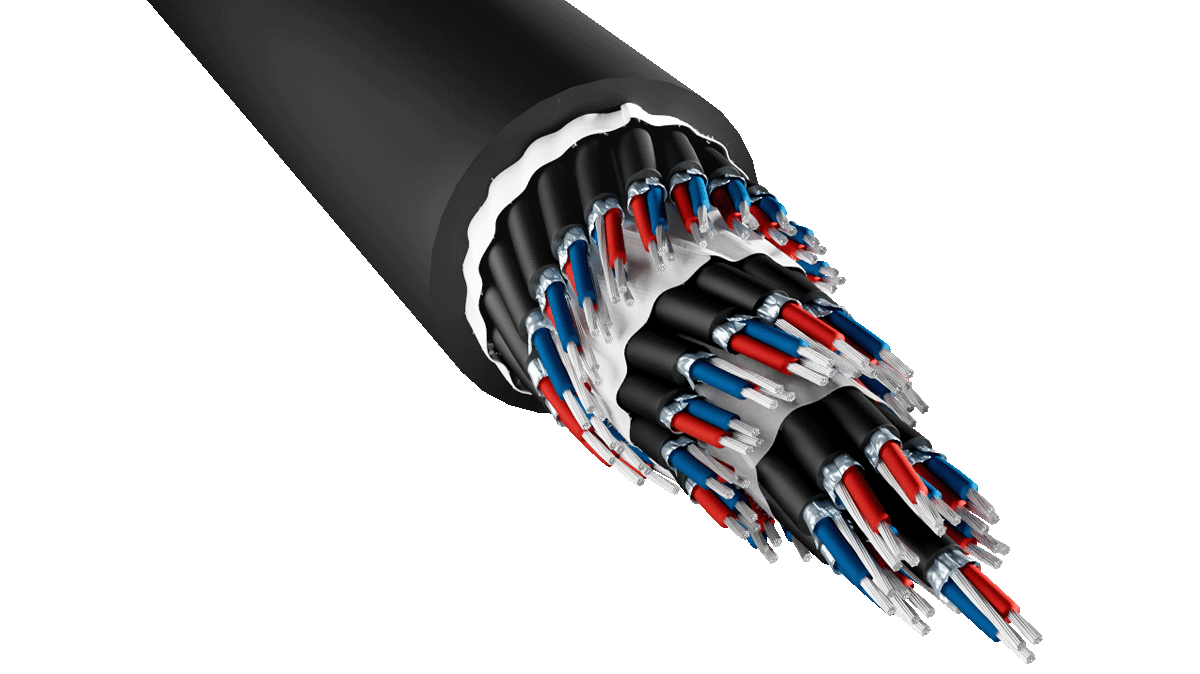
Choosing the right Multi Pair Cable is essential for ensuring reliable signal transmission, efficient system performance, and long-term durability. Whether your project involves industrial automation, telecommunications, instrumentation, or building management systems, the cable you select can significantly impact the overall reliability of the installation. With various conductor sizes, shielding options, insulation materials, and pair counts available, understanding your project requirements is the key to making the best choice.
Understand Your Project Requirements
Before selecting a multi pair cable, clearly define the purpose of the installation. Different applications have different electrical and environmental demands, so identifying these requirements helps narrow down the available options.
Ask yourself the following questions:
- What type of signals will the cable transmit?
- Is it for data, control, instrumentation, or communication?
- Will the cable be installed indoors or outdoors?
- Is flexibility required?
- Will the cable be exposed to harsh environmental conditions?
A clear understanding of your application ensures you choose a cable that performs reliably throughout its service life.
Determine the Required Number of Pairs
One of the first specifications to consider is the number of conductor pairs needed. Multi pair cables are available with a wide range of pair counts, allowing multiple circuits to be combined into a single cable.
When determining the pair count, consider:
- Current system requirements
- Future expansion plans
- Spare pairs for maintenance
- Additional control or communication channels
Selecting a cable with extra capacity can simplify future upgrades without requiring a complete rewiring project.
Choose the Appropriate Conductor Size
Conductor size affects electrical performance, current-carrying capacity, and voltage drop. Selecting the correct conductor size ensures efficient signal transmission while reducing power loss.
Smaller conductors may be suitable for low-current signal transmission, while larger conductors are better suited for longer cable runs or applications with higher electrical demands.
Proper conductor sizing improves:
- Signal stability
- Electrical efficiency
- Equipment reliability
- Cable lifespan
Decide Whether Shielding Is Necessary
Industrial environments often contain equipment that generates electromagnetic interference (EMI), such as motors, transformers, and variable frequency drives. Electrical noise can disrupt signal transmission if the cable is not properly protected.
Shielded multi pair cables are recommended for applications where:
- Sensitive electronic signals are transmitted
- Cables run alongside power cables
- High electrical noise is present
- Accurate signal transmission is critical
For environments with minimal interference, unshielded cables may be sufficient and offer a more economical solution.
Evaluate Environmental Conditions
The installation environment plays an important role in cable selection. Multi pair cables are available with different jacket and insulation materials designed to withstand various operating conditions.
Consider whether the cable will be exposed to:
- High temperatures
- Low temperatures
- Moisture
- Oil
- Chemicals
- UV radiation
- Dust
- Mechanical abrasion
Choosing a cable designed for the surrounding environment helps maximize reliability and reduce maintenance.
Consider Installation Requirements
The physical installation also influences the type of cable you should select. Some projects involve fixed installations, while others require cables to move continuously.
Important installation factors include:
- Cable tray routing
- Tight bending spaces
- Flexible movement
- Vertical installations
- Underground installation
- Indoor or outdoor use
Selecting a cable that matches the installation conditions helps prevent unnecessary mechanical stress and premature wear.
Verify Signal Type and Performance
Different projects require different types of signal transmission. Multi pair cables are commonly used for:
- Control signals
- Instrumentation signals
- Communication systems
- Data transmission
- Audio systems
Ensure the cable specifications match the signal characteristics required by your equipment to achieve stable and reliable performance.
Check Insulation and Jacket Materials
The insulation and outer jacket protect the cable from electrical faults and environmental damage. The choice of materials depends on the operating conditions and industry requirements.
Quality insulation offers benefits such as:
- Improved electrical safety
- Better temperature resistance
- Chemical protection
- Moisture resistance
- Longer service life
Selecting durable materials reduces the likelihood of cable failure over time.
Look for Industry Compliance
Choosing a cable that meets recognized industry standards provides confidence in its quality and performance. Certified cables undergo testing to verify electrical, mechanical, and environmental characteristics.
Using compliant products also helps ensure compatibility with project specifications and safety regulations.
Think About Long-Term Reliability
While lower-cost cables may reduce initial expenses, they often require more frequent maintenance and replacement. Investing in a high-quality multi pair cable provides better long-term value by reducing operational interruptions and maintenance costs.
Reliable cables offer:
- Stable signal transmission
- Longer service life
- Lower maintenance requirements
- Improved system performance
- Better return on investment
Considering the total lifecycle cost rather than just the purchase price is a smart approach for most projects.
Work with a Trusted Manufacturer
The quality of a multi pair cable depends greatly on the manufacturer. Established manufacturers typically maintain strict quality control processes and produce cables that meet industry standards.
A reliable supplier can also provide technical guidance to help you select the most suitable cable for your specific application, ensuring optimal performance and durability.
Conclusion
Selecting the best Multi Pair Cable requires careful consideration of your project’s electrical, mechanical, and environmental requirements. Factors such as conductor size, pair count, shielding, insulation materials, flexibility, and installation conditions all influence the cable’s performance and lifespan. By choosing a high-quality cable that matches your application’s needs, you can improve signal reliability, simplify installation, reduce maintenance costs, and ensure efficient operation for years to come. Proper planning and informed cable selection are essential steps toward building dependable and high-performing electrical and communication systems.