

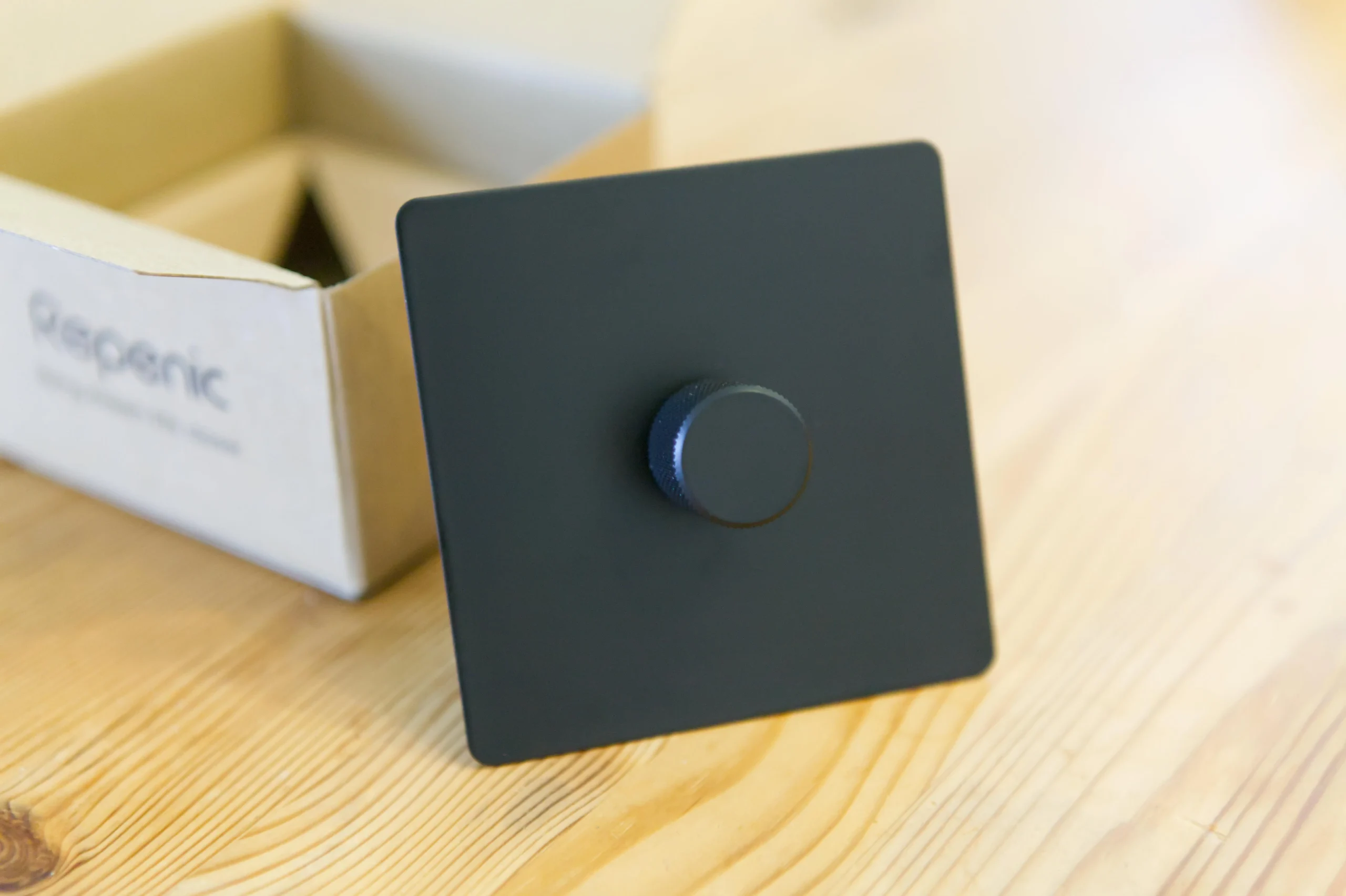
Lighting has a powerful effect on how we experience a space. The same room can feel bright and productive during the day, then warm and relaxing in the evening—all with the right lighting adjustments. Yet many homeowners overlook one small upgrade that can dramatically improve comfort and atmosphere.
If you’re looking for better lighting control, a Dimmer Switch can provide flexibility, energy efficiency, and a more personalized environment without requiring a complete lighting renovation.
Why Lighting Control Matters More Than Ever
Modern homes are designed to serve multiple purposes. A dining room might double as a workspace. A living room may become a movie theater at night. Bedrooms often function as reading spaces, relaxation zones, and sleeping environments.
Fixed lighting levels don’t always match these changing needs.
Being able to adjust brightness gives homeowners greater control over their surroundings while creating a more comfortable atmosphere throughout the day.
Common Situations Where Adjustable Lighting Helps
- Watching movies without harsh glare
- Creating a cozy dining experience
- Reducing brightness before bedtime
- Setting the right mood for entertaining guests
- Improving focus while working from home
- Enhancing decorative lighting features
Small lighting adjustments can make a surprisingly large difference in how a room feels.
What Is a Dimmer Switch?
A dimmer switch is a lighting control device that allows users to adjust the brightness of compatible light fixtures. Instead of simply turning lights on or off, it enables smooth brightness control based on personal preference.
This functionality offers more flexibility than traditional wall switches and can help optimize both comfort and energy usage.
Today’s options range from classic rotary designs to sophisticated smart controls that integrate with home automation systems.
Benefits of Installing Adjustable Lighting Controls
Many homeowners initially choose dimmers for aesthetic reasons. However, the practical advantages often become just as valuable.
Better Ambiance
One of the biggest advantages is the ability to create the right atmosphere for different activities.
Bright lighting may be ideal for cleaning or cooking, while softer illumination can help create a calm and inviting setting.
Improved Energy Efficiency
Reducing light output often lowers energy consumption.
While the exact savings depend on bulb type and usage patterns, lowering brightness when full illumination isn’t needed can contribute to lower electricity costs over time.
Extended Bulb Lifespan
Many lighting systems experience less stress when operated below maximum brightness.
This can potentially increase the lifespan of compatible bulbs and reduce replacement frequency.
Greater Comfort
Harsh overhead lighting can feel uncomfortable, especially during evening hours.
Adjustable brightness allows homeowners to tailor lighting levels to suit their preferences and activities.
Choosing the Right Type of Dimmer
Not all dimmers are the same. Selecting the correct option depends on your lighting setup and desired functionality.
Traditional Rotary Dimmers
These feature a simple rotating control mechanism and remain popular due to their reliability and straightforward operation.
Best for:
- Basic residential applications
- Traditional interiors
- Simple lighting systems
Slide Dimmers
Slide controls allow precise brightness adjustment through a vertical or horizontal slider.
Best for:
- Modern homes
- Frequently adjusted lighting zones
- Family-friendly operation
Touch-Control Dimmers
Touch-sensitive models offer a sleek appearance and contemporary functionality.
Best for:
- Luxury interiors
- Minimalist design schemes
- High-end renovations
Smart Dimmers
Smart lighting controls connect to home automation systems and mobile apps.
Features often include:
- Remote control
- Scheduling
- Voice assistant integration
- Scene creation
- Energy monitoring
These options are becoming increasingly popular in connected homes.
How Dimmers Improve Different Rooms
Each room serves a unique purpose, and lighting should adapt accordingly.
Living Room
Living rooms often host a variety of activities.
Adjustable lighting supports:
- Family gatherings
- Movie nights
- Reading
- Relaxation
The ability to transition between bright and soft lighting makes the space more versatile.
Bedroom
Lower light levels before sleep can contribute to a more relaxing environment.
Many homeowners use dimmers to create a gentler nighttime atmosphere while maintaining sufficient light for reading or dressing.
Dining Room
Restaurants have long understood the impact of lighting on dining experiences.
Homeowners can create a similar effect by adjusting brightness levels during meals and gatherings.
Home Office
Workspaces benefit from flexible lighting throughout the day.
Brighter settings may improve focus, while softer lighting can reduce eye strain during extended work sessions.
A Real-Life Example
Consider a homeowner renovating an open-concept living area.
Initially, they installed high-output LED fixtures throughout the space. While the lighting was effective, it often felt too intense during evenings.
Rather than replacing fixtures, they added adjustable lighting controls.
The result:
- More comfortable evenings
- Better entertainment experiences
- Enhanced room aesthetics
- Greater control over energy use
The upgrade required minimal effort yet significantly improved daily living.
Compatibility Considerations
Before purchasing a dimmer, compatibility should be carefully evaluated.
LED Compatibility
Not all LEDs work with every dimmer.
Look for:
- Dimmable LED bulbs
- Compatible driver systems
- Manufacturer recommendations
Wattage Requirements
Every dimmer has minimum and maximum load ratings.
Selecting the appropriate capacity helps ensure smooth operation and reliable performance.
Smart Home Integration
Homeowners using smart ecosystems should verify compatibility with their preferred platforms and devices.
Integration can simplify lighting management while supporting future automation upgrades.
Design Matters Too
Functionality is important, but appearance should not be overlooked.
Wall controls are visible elements within a room’s design. Premium products often feature:
- Elegant metal finishes
- Glass surfaces
- Architectural styling
- Minimalist profiles
- High-quality craftsmanship
These details help lighting controls blend naturally into sophisticated interiors.
Installation Tips
Professional installation is often recommended, particularly for homeowners unfamiliar with electrical systems.
Before installation:
- Confirm electrical compatibility
- Verify bulb compatibility
- Check local electrical regulations
- Review manufacturer guidelines
Proper installation helps maximize performance and safety.
Future Trends in Lighting Control
Lighting technology continues to evolve alongside smart home innovation.
Emerging developments include:
Adaptive Lighting
Systems that automatically adjust brightness based on time of day and natural light conditions.
Personalized Scenes
Custom lighting profiles tailored to specific activities and user preferences.
Energy-Aware Automation
Smart controls that optimize electricity usage while maintaining comfort.
Integrated Home Systems
Lighting increasingly works alongside climate control, security, and entertainment platforms for a more connected living experience.
These advancements are making residential lighting more intelligent and user-friendly.
Final Thoughts
A well-designed lighting system influences far more than visibility. It shapes mood, comfort, productivity, and the overall experience of a home. Adjustable lighting controls provide a practical way to improve daily living while supporting energy efficiency and modern design goals.
Whether you’re renovating a single room or planning a larger home upgrade, adding quality lighting controls can be one of the most impactful improvements you make. The ability to fine-tune brightness throughout the day creates a more adaptable, comfortable, and enjoyable living environment for everyone in the household.